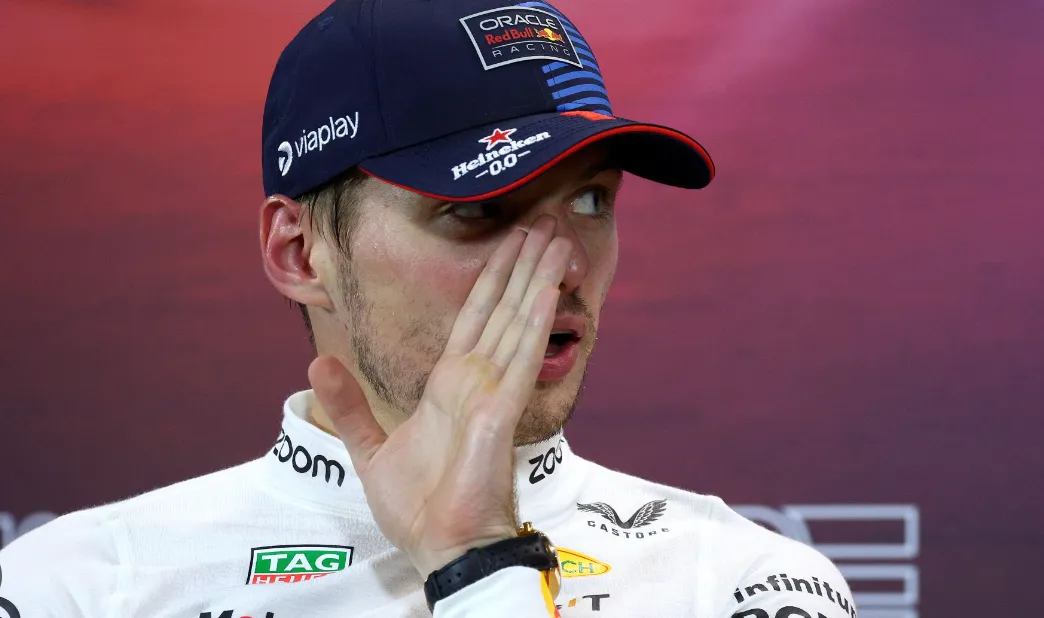

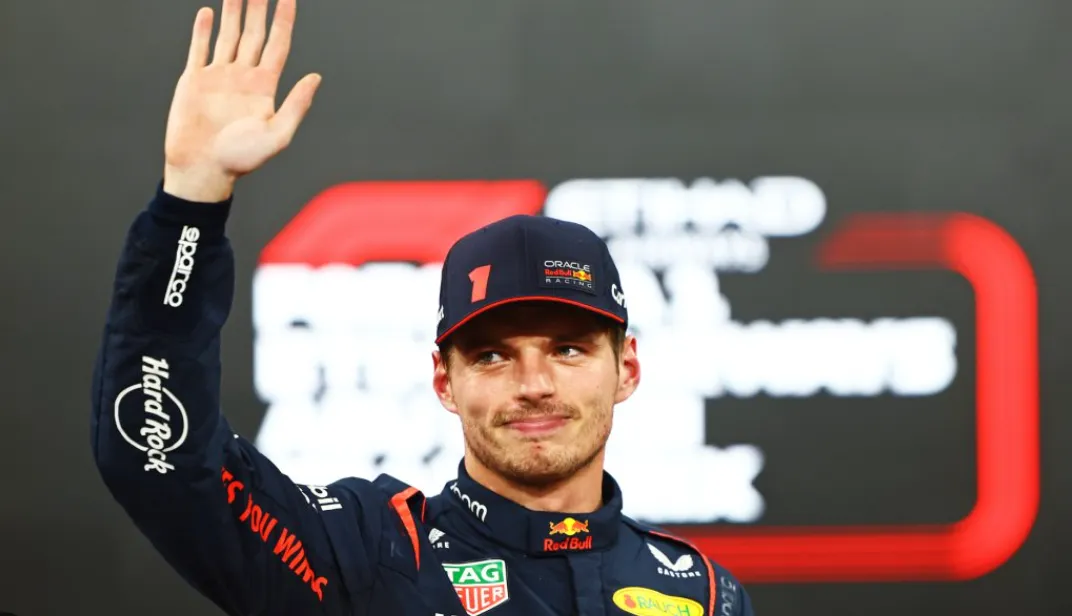
Max Verstappen, now a three-time Formula 1 World Champion, is no stranger to the spotlight. Yet, during Singapore GP weekend, he found himself under scrutiny for an entirely different reason—his public dispute with FIA. The controversy began after Verstappen used an expletive to describe his Red Bull car in a press conference, resulting in a community service punishment. This reaction left both Verstappen and his fellow drivers baffled.
The issue stemmed from an interview with FIA president Mohamed Ben Sulayem, in which he expressed a desire to reduce the amount of swearing in TV broadcasts. Verstappen’s offhand comment became the catalyst for a broader discussion on drivers’ freedom of expression. In response, the Dutchman staged a protest by giving minimal answers in official FIA press conferences, later organizing his own media sessions where he answered questions freely.
Verstappen’s defiance was not just youthful rebellion; it revealed genuine frustration with the increasing restrictions placed on drivers. “When you can’t be yourself, you have to deal with these silly things. I’m at a point in my career where I don’t want to constantly face this,” he said. “Of course, success is great, but after winning races and championships, you also want to enjoy what you’re doing.”
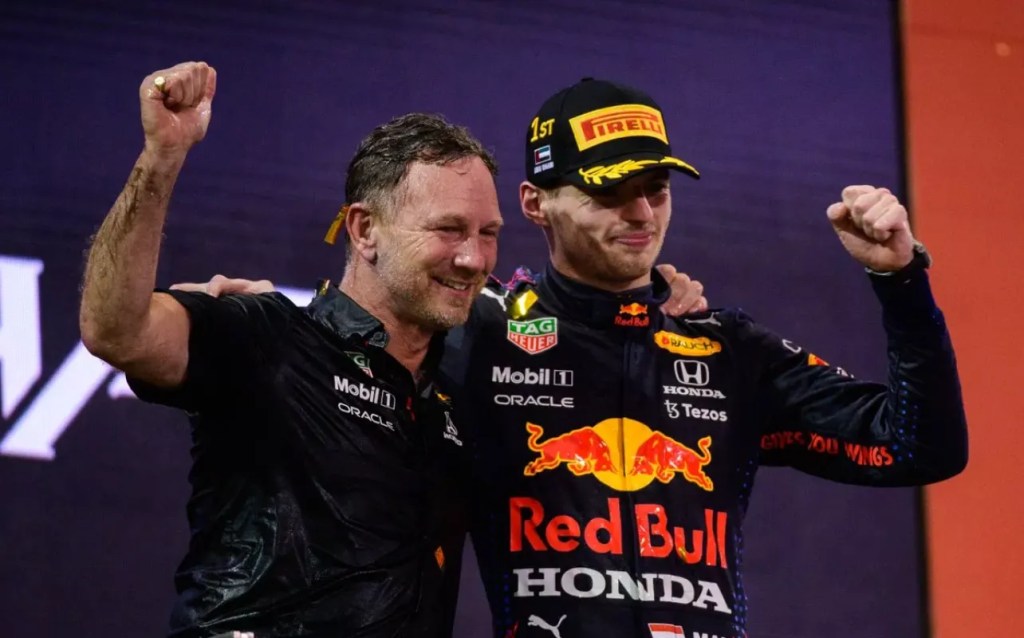
This candid expression of fatigue raised eyebrows across the paddock, as it hinted at Verstappen’s willingness to leave sport behind. At 26, having won multiple championships and etched his name into Formula 1 history. Verstappen has repeatedly voiced that he’s not driven by a desire to break records or extend his career indefinitely. “When you have to deal with these kinds of trivial things, for me, it’s not a way of continuing in the sport,” he admitted.
This isn’t the first time Verstappen has hinted at early retirement. After winning his first title in 2021, he expressed disinterest in a long career, saying he had little desire to pursue records held by the likes of Lewis Hamilton. Furthermore, the extended race calendar and the addition of sprint races have dampened his enthusiasm. “We’re already racing so much, and now with sprint weekends, the schedule becomes even more intense,” Verstappen commented last season. “At one point, it’s not worth it for me.”
Adding to his dissatisfaction are the upcoming changes to the 2026 regulations, which could further influence his decision to continue. While some may view his comments as temperamental, Verstappen roots his concerns in his core identity as a racer. Despite his fame, Verstappen has always preferred the purity of racing to the spectacle surrounding it. His passion extends beyond Formula 1, evidenced by his involvement in sim racing and his ambition to run his own GT3 team for events like Le Mans.
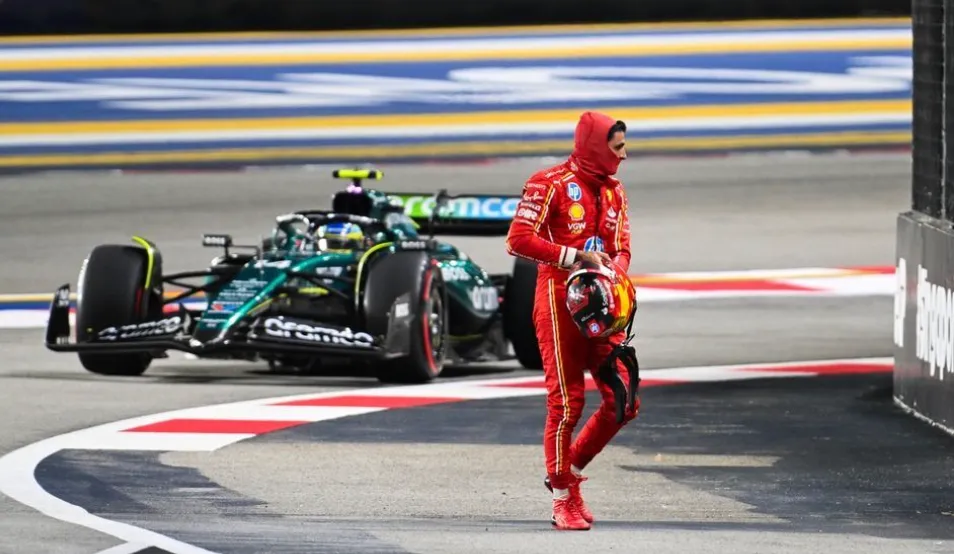
Verstappen’s frustration also reflects his belief that the FIA’s current approach to discipline is unnecessarily restrictive. The case of Carlos Sainz being fined for crossing a live-track after a crash during qualifying further fueled his discontent. “When I saw that, I thought, ‘what are we doing?’ These kinds of things are just super silly,” he remarked. “We’re not stupid.”
Despite Verstappen being under contract with Red Bull until 2028, it’s clear that he doesn’t guarantee his commitment to F1. Although there may be clauses allowing him to move to another team, it’s doubtful that Red Bull—or the sport—would want to keep a driver who no longer finds joy in competing.
For now, Verstappen remains in Formula 1, but he made it clear that if the sport continues to stifle drivers’ individuality, he may walk away. “Formula 1 will go on without me, it’s not a problem. But it won’t be a problem for me either,” he said. “If you can’t fully be yourself, then it’s better to stay silent. But that’s not what anyone wants because it turns us into robots.”
Whether his words serve as a genuine warning or merely a call for change, Verstappen’s discontent poses a real question for Formula 1: can it balance its regulatory framework while allowing drivers to remain authentic?