

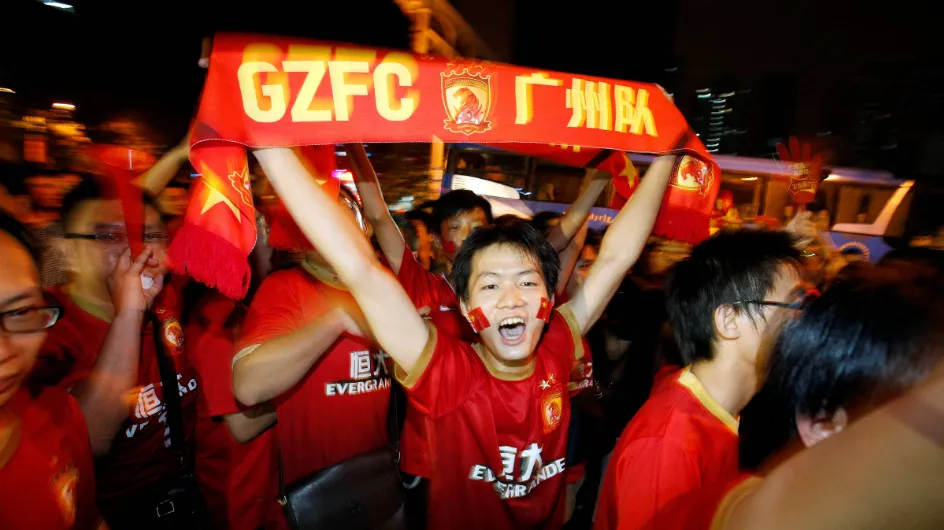
Guangzhou FC, once an undisputed powerhouse of Chinese football, has been expelled from professional domestic competitions for the upcoming season by the Chinese Football Association (CFA). The move marks a dramatic downfall for the eight-time Chinese Super League (CSL) champions, signaling the end of an era dominated by lavish spending and remarkable achievements.
The Rise and Fall of Guangzhou FC
Guangzhou’s meteoric rise began in 2010 when property developers China Evergrande acquired the club, which was then competing in China’s second tier. Under new ownership, the club, renamed Guangzhou Evergrande, experienced an influx of financial backing that transformed them into a dominant force. Their ambitious investments led to two AFC Champions League titles in 2013 and 2015, alongside other notable achievements, such as a fourth-place finish at the FIFA Club World Cup, and partnerships including an academy deal with Real Madrid.
During their golden years, Guangzhou Evergrande became synonymous with high-profile signings, including former World Cup-winning managers Marcello Lippi and Luiz Felipe Scolari. Under their leadership, the club secured multiple CSL titles, Chinese FA Cups, and continental glory.
The club’s success attracted international stars like Paulinho, Alberto Gilardino, and Jackson Martinez, with huge transfer fees and salaries, making Guangzhou Evergrande one of the most financially powerful clubs in Asia.

The Decline of Chinese Football Spending
However, the lavish spending spree at Guangzhou was not an isolated incident. Other Chinese clubs followed suit, bringing in high-profile foreign players such as Hulk, Oscar, and Carlos Tevez, who joined Chinese teams for eye-watering fees and wages. The Chinese Super League (CSL) aspired to rival Europe’s top leagues, but the unsustainable financial model soon caught up with the country’s football scene.
In response, the Chinese Football Association introduced a ‘luxury tax’ and a salary cap to curb excessive spending. These changes came at a time when Guangzhou Evergrande was already facing financial difficulties. The company’s default on debt payments in 2021, worsened by the Chinese real estate crisis and the COVID-19 pandemic, ultimately led to the club’s downfall. Evergrande filed for bankruptcy in 2022, scrapping the club’s ambitious stadium plans as their financial troubles deepened.
Relegation and Expulsion
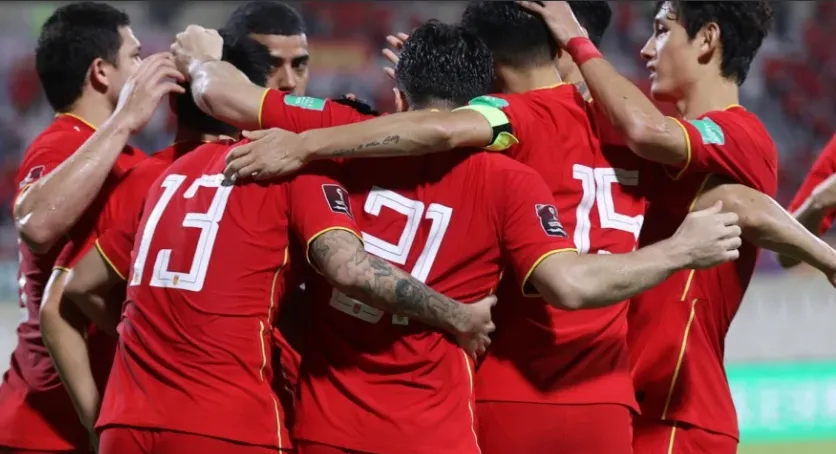
In 2022, Guangzhou FC was relegated from the CSL, and despite their efforts to bounce back in the 2024 season, they narrowly missed out on promotion. Their continued financial instability has now led to the CFA’s decision to expel them from the professional football leagues for the 2025 season.
In a statement, Guangzhou FC expressed regret over their failure to overcome the crisis and apologized to their supporters. The club pledged to continue supporting the development of Chinese football despite the uncertainty surrounding its future.
“We regret that we failed to make it, hence our sincerest apologies to fans and the people from all walks of life that support the club,” Guangzhou said. “We will not change our original intention and do our best to deal with the aftermath and support the development of Chinese football and Guangdong and Guangzhou football.”
The Future of Guangzhou FC
While Guangzhou FC’s immediate future in professional football remains unclear, the club hopes to persist in some capacity. The ongoing financial struggles serve as a stark reminder of the volatility and challenges facing Chinese football, with many clubs grappling with similar financial pressures in the wake of the extravagant spending era. Despite the setbacks, Guangzhou’s legacy remains an integral part of China’s footballing history, though their path forward remains uncertain.


Leave a Reply