
European member unions of Fifpro, the global representative organization for footballers. Have initiated legal proceedings against FIFA concerning the expanded men’s Club World Cup. This move, spearheaded by England’s Professional Footballers’ Association (PFA) and its French counterpart. Was formalized with a legal claim filed in the Brussels court of commerce on Thursday.
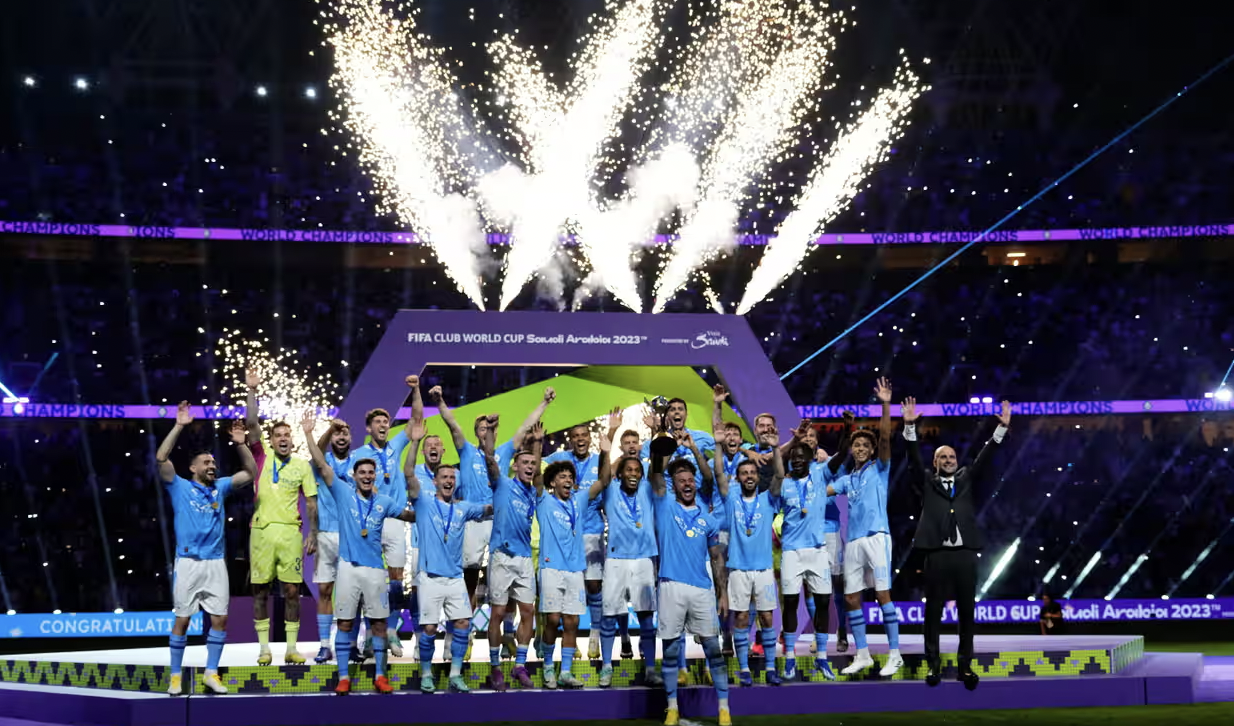
The legal action arises from objections to the scheduling of a 32-team Club World Cup in the United States set for June and July 2025. Fifpro contends that FIFA’s unilateral decisions regarding the international match calendar. Particularly the creation and scheduling of the 2025 Club World Cup, are unlawful.
Maheta Molango, chief executive of the PFA, emphasized the significance of this legal challenge, stating: “This is an important moment for players and for their rights as employees. Everyone across football knows that the fixture calendar is so broken it has now become unworkable. The PFA argues that the congested schedule infringes on players’ legal rights to guaranteed and protected breaks.
The 2024-25 season’s schedule exemplifies the problem. The Premier League season ends on May 25, followed by the Champions League final on May 31. An international window runs from June 2 to June 10, and the Club World Cup begins on June 14, continuing until July 13. The Premier League then resumes in mid-August. This pattern mirrors the intense scheduling facing players this summer.

The legal claim requests the Brussels court to seek a preliminary ruling from the European Court of Justice. Fifpro’s case will be represented by Jean-Louis Dupont, renowned for his role in the landmark Bosman ruling of 1995.
Fifpro asserts that FIFA’s decisions breach players’ rights and those of their unions under the EU charter of fundamental rights and potentially violate EU competition law.
FIFA President Gianni Infantino has dismissed the legal challenge as a “futile debate.” He argues that the expanded Club World Cup constitutes a small fraction of the top clubs’ matches, asserting that “the one or 2% of matches that FIFA organises is financing football all over the world.” FIFA maintains that it operates within its rights to define the parameters of its competitions while adhering to regulatory frameworks.