

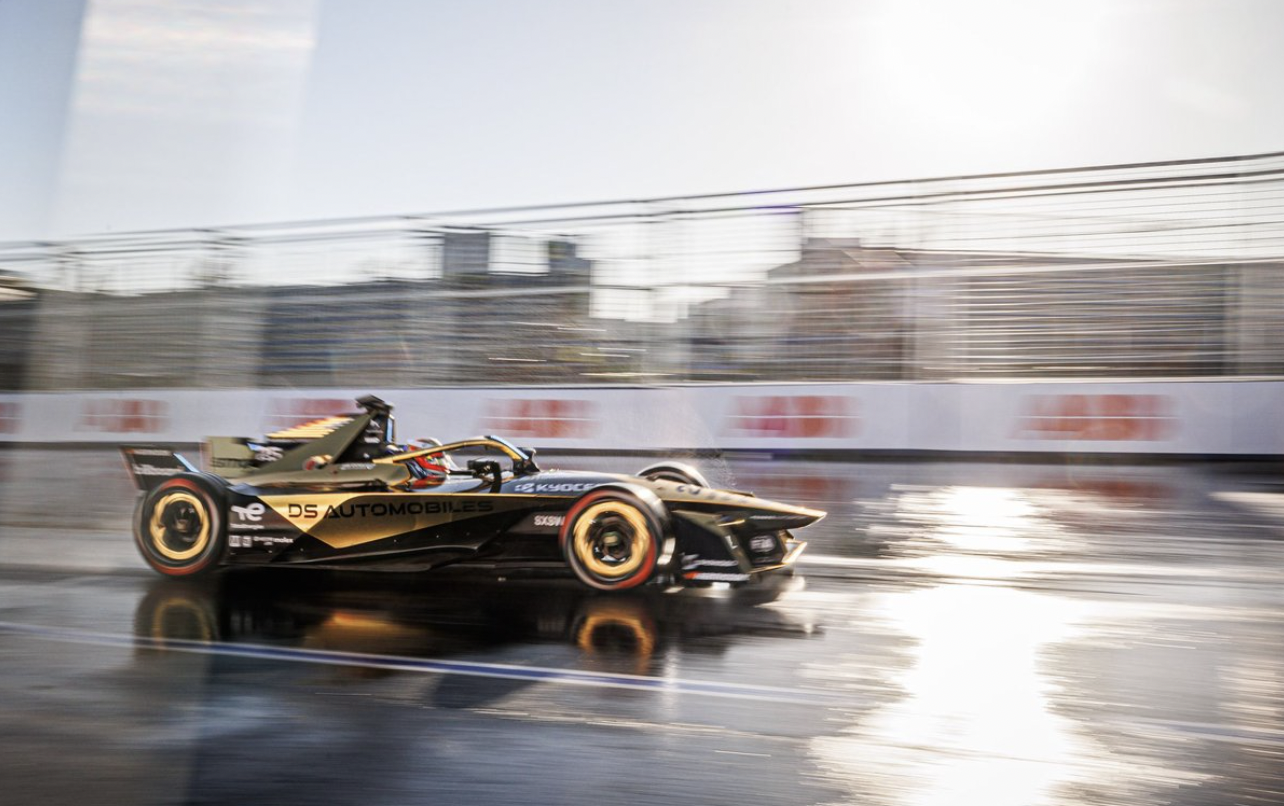
Despite facing challenging weather conditions prior to the race, the inaugural Tokyo E-Prix was deemed a success in terms of organization.
Heavy rain leading up to the event forced drivers to exercise caution during practice sessions, navigating a waterlogged track. At DS Penske, while Stoffel Vandoorne encountered issues with the battery in his electric single-seater, the team adapted to the conditions.
With improved weather the following day, track conditions allowed for better grip, enabling fine-tuning of the single-seaters’ setups. Although still addressing sector one challenges, DS Penske drivers Jean-Eric Vergne and Vandoorne showed promise during practice sessions.
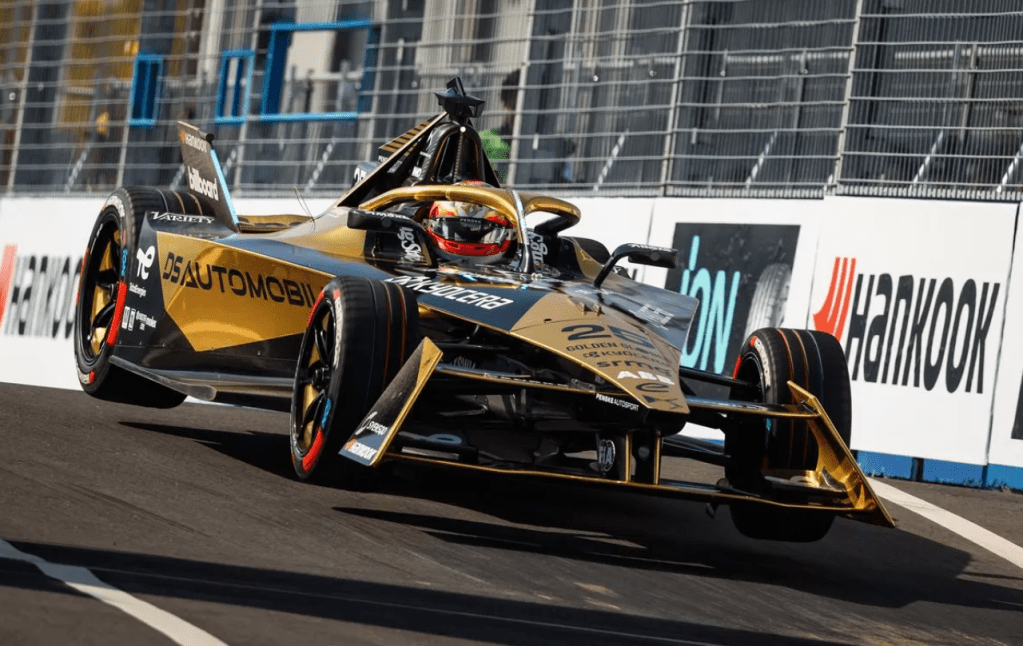
However, both drivers faced difficulties during qualifying, with Vandoorne encountering battery problems once again. Despite starting from 13th and 18th on the grid, DS Penske remained optimistic about their prospects for the race.
Navigating the bumpy circuit proved challenging, but strategic energy management played a crucial role. Vergne strategically utilized his energy reserves, positioning himself close to the points. Meanwhile, Vandoorne aimed to capitalize on opportunities to advance.
However, an incident between Nyck de Vries and Lucas di Grassi led to a safety car deployment, neutralizing the race and preventing further advancements. Despite their efforts, Vergne finished in 11th place, with Vandoorne in 16th (Tokyo).
The race outcome was disappointing for DS Penske, highlighting the unpredictable nature of Formula E. Looking ahead, the team aims to showcase its true potential at the upcoming races in Misano, Italy.

Leave a Reply