


In Formula 1, achieving the optimal balance between down force and drag has become crucial for teams seeking competitive advantage. While down force is essential for cornering performance, excessive drag can hinder straight line speed, compromising overall performance.
In the past, rear wing designs featured adjustable flaps, allowing teams to fine tune down force levels based on track requirements. However, with modern regulations mandating fixed flap angles, teams must now adopt different rear wing configurations to adjust down force and drag levels effectively.
McLaren’s team principal, Andrea Stella, highlights the importance of redesigning rear wings to achieve desired performance characteristics. Rear wing adjustments now entail creating new families of wings to optimize efficiency and performance. However, altering drag levels requires careful consideration of the car’s overall aerodynamic package to ensure harmony and optimal performance across all components.
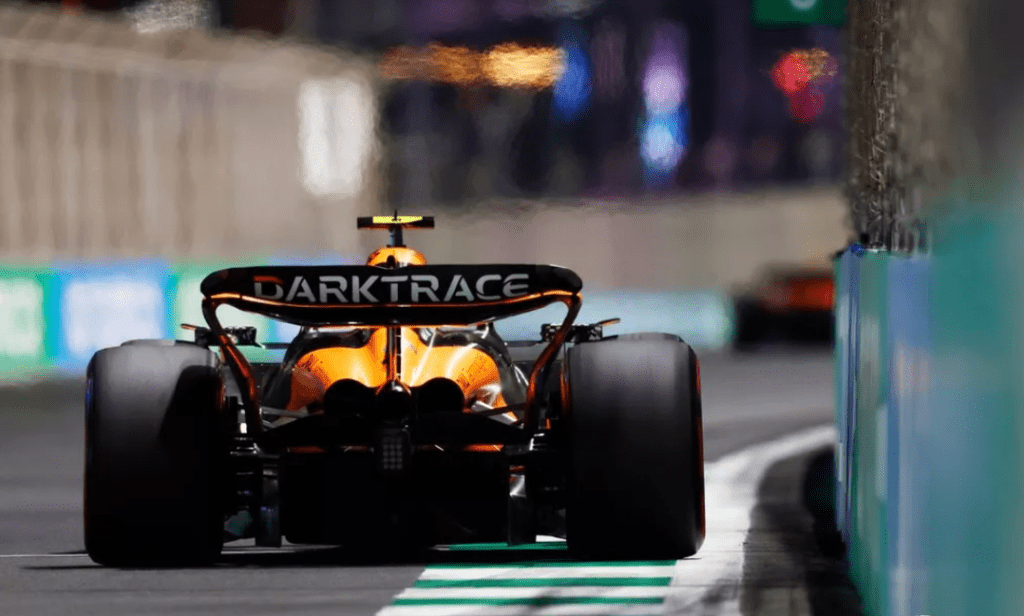
Recent races, such as the one in Saudi Arabia, show cased teams’ efforts to optimize rear wing configurations for varying track demands. Mercedes experimented with different rear wing specifications throughout the weekend, emphasizing the importance of finding the right balance between down force and drag for both qualifying and race scenarios.
Ferrari and McLaren also introduced new rear wing designs aimed at reducing drag and enhancing straight line speed. These modifications include center line notches on the upper flap and adjustments to the trailing edge to manage airflow more effectively.
Aston Martin unveiled a redesigned rear wing featuring tapered trailing edges and additional winglets to minimize drag and improve aerodynamic efficiency. These changes reflect teams’ ongoing pursuit of innovative solutions to gain a competitive edge in the fiercely contested F1 championship.
Overall, rear wing designs serve as a window into the evolve technical battle within Formula 1, where teams constantly strive to optimize performance and maintain a competitive edge on the track.


Leave a Reply