

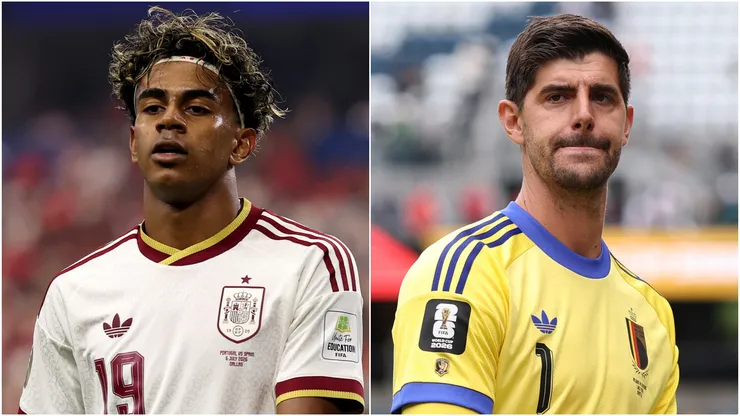
Spain and Belgium will meet in the FIFA World Cup 2026 quarter-finals on Friday, 10 July, with a place in the semi-finals on the line in Los Angeles. The match is set for a 12pm local kickoff at SoFi Stadium in Inglewood, California, providing the stage and visibility expected of one of the tournament’s marquee ties. Spain arrive after advancing past Portugal, while Belgium secured their place in the last eight by eliminating the United States. Having both come through the group stage and then cleared a knockout test, the fixture now stands as a defining point in each nation’s campaign.
- Spain and Belgium will face each other in the FIFA World Cup 2026 quarter-finals on Friday, 10 July.
- The match is scheduled for a 12pm local kickoff at SoFi Stadium in Inglewood, California.
- A place in the World Cup semi-finals is at stake for both nations.
- Spain reached the quarter-finals by beating Portugal after progressing through the group phase.
- Belgium advanced to the last eight by eliminating the United States after also coming through the group stage.
A quarter-final shaped by momentum
The significance of this contest is clear: one composed performance sends a team into the final four of the World Cup, while one difficult afternoon brings an end to a run that has already required consistency, control and nerve. Spain’s route to the quarter-finals points to a side capable of handling major pressure, particularly given the demands of a knockout meeting with Portugal. Belgium’s progress carries similar weight, with victory over the United States underlining an ability to navigate a direct elimination match on a major occasion. That shared experience should sharpen this quarter-final, because neither side arrives here on promise alone; both arrive with recent evidence that they can deliver when the stakes rise.
Los Angeles is a fitting setting for a fixture of this scale. SoFi Stadium in Inglewood has the size and profile to frame a global event, and the midday local kickoff adds another layer to the challenge as both teams prepare for a match likely to unfold under intense scrutiny and with little room for error. Quarter-finals are often decided as much by composure as by ambition, and the setting can magnify every detail, from game management to decision-making in decisive moments. That is especially relevant here because the verified information available confirms the magnitude of the occasion without offering a deeper statistical comparison between the teams, leaving the focus squarely on what they have already achieved in this tournament and what now lies directly ahead.
Spain’s victory over Portugal gives this tie an added sense of momentum and credibility. Any knockout win at this stage of a World Cup strengthens belief, but overcoming a familiar and demanding opponent can also reinforce a team’s identity. It suggests Spain have already found ways to manage a high-pressure tactical contest, absorb the emotional swings that come with elimination football and emerge with their tournament hopes intact. That matters now because quarter-finals are rarely won on reputation alone; they are won by teams that remain connected to their structure while still finding the conviction to seize defining moments.
What the match means for both teams
Belgium’s path past the United States points to a side that has also learned how to survive the knockout phase. Eliminating the United States to reach the quarter-finals indicates resilience and clarity, particularly in a match where the consequences of every mistake are magnified. Belgium now have the opportunity to turn that result into something even more significant by reaching the semi-finals, and that prospect should sharpen their focus rather than weigh it down. At this stage of the tournament, teams are no longer simply trying to prove they belong; they are trying to show they can outlast another elite opponent and move within touching distance of the final.
From Spain’s perspective, the challenge is to carry the authority of their previous result into another complete performance. A quarter-final against Belgium presents a different test, not because of any verified historical trend between the nations, but because every knockout round brings a new emotional and tactical landscape. Spain know that a place in the semi-finals would validate the consistency they have shown from the group stage onward and mark another major step in a campaign already defined by progress at the right moments. The pressure, then, is matched by opportunity: this is the kind of match that can elevate a tournament run from promising to genuinely memorable.
For Belgium, the same opportunity exists, with the added incentive of building on the momentum created by their win over the United States. Quarter-finals often reward teams that strike the right balance between patience and ambition, understanding when to control the tempo and when to force the issue. Belgium have already shown enough quality to come through the group stage and then negotiate a knockout tie, and that sequence gives them a platform rather than any guarantee. Their task in Los Angeles is to show that the qualities that carried them this far can also stand up against a Spain side arriving with equal confidence and equal motivation.
There is also a broader tournament context that gives this match extra weight. A semi-final place does not simply extend a team’s stay at the World Cup; it changes the scale of what becomes possible. Once a nation reaches the final four, every performance is measured against the chance to contest the biggest match in international football. That reality should give Friday’s quarter-final a tense, concentrated feel, because both Spain and Belgium are now close enough to sense the size of the prize, yet still one result away from seeing the campaign end abruptly.
The absence of verified head-to-head statistics between the two nations does little to reduce the intrigue. If anything, it places even greater emphasis on current form in this tournament and on the immediate evidence provided by their most recent results. Spain have shown enough to eliminate Portugal, and Belgium have shown enough to remove the United States, meaning the quarter-final is built on fresh tournament merit rather than historical framing. That should make the contest feel especially open, with the semi-final place likely to go to the side that handles the occasion best in real time rather than the one carrying the stronger narrative from the past.
What comes next is simple and enormous in equal measure. Spain and Belgium will take the field at SoFi Stadium on Friday at 12pm local time knowing that one more win will carry them into the World Cup 2026 semi-finals. Spain will try to build on the momentum of their victory over Portugal, while Belgium will aim to extend the run that continued with their elimination of the United States. In Los Angeles, the margins will be fine, the stakes immense, and one of these two nations will leave California with a place among the final four.

Leave a Reply