

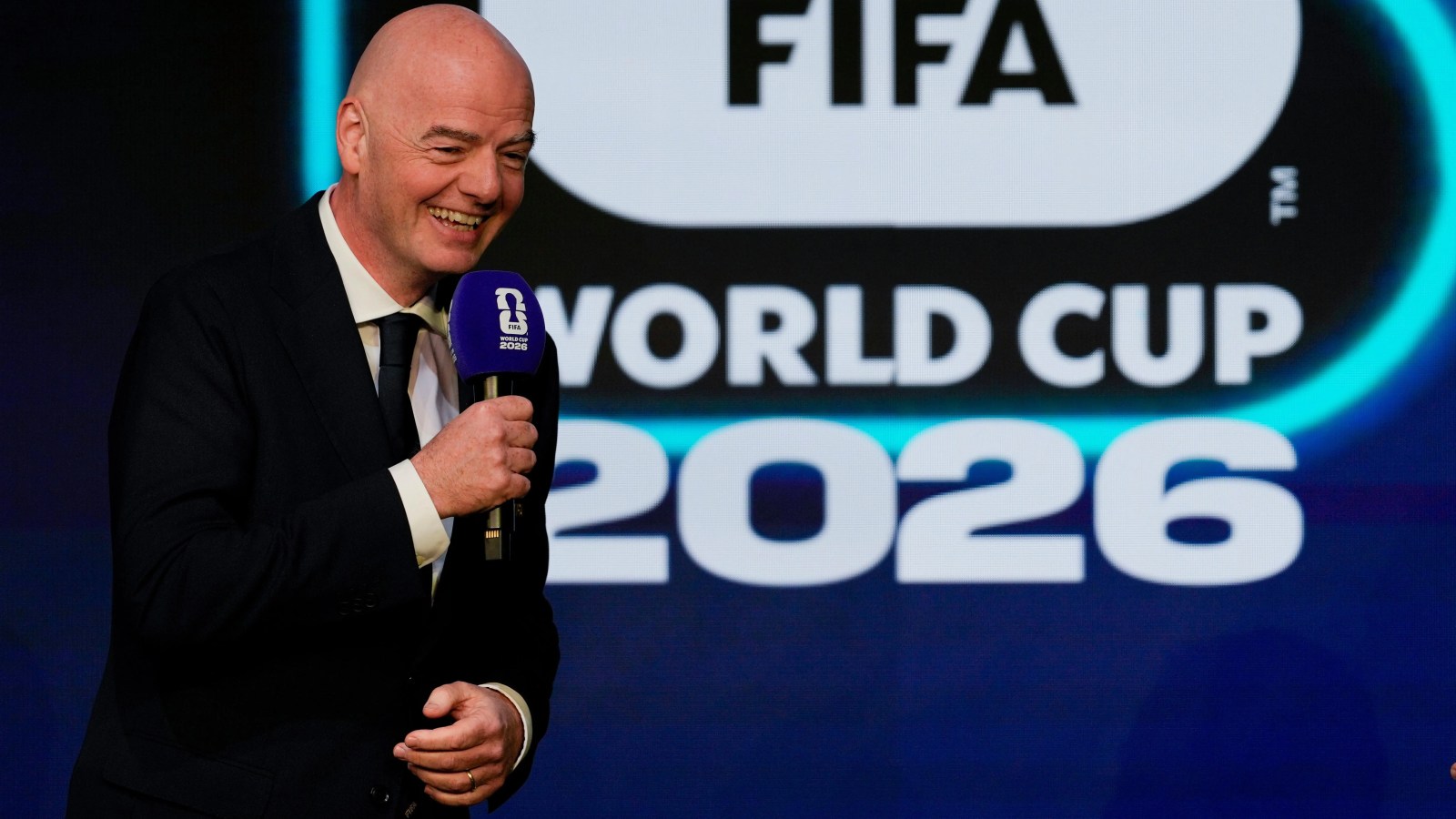
FIFA has abandoned a controversial proposal to sell commercial stakes in the World Cup and other tournaments after facing significant opposition, a retreat with implications far beyond a single business plan. The reversal has intensified scrutiny of Gianni Infantino’s leadership at a sensitive moment for world football’s governing body. The proposal had the potential to reshape how the sport’s biggest competitions are controlled and monetised, placing private investment at the heart of assets long regarded as the crown jewels of the game. Instead, it became a flashpoint, exposing deep resistance to any move seen as diluting FIFA’s control over its premier events or shifting the balance between commercial ambition and institutional accountability. With the plan now shelved, the immediate commercial battle may be over, but the political damage surrounding Infantino appears far from resolved.
- FIFA has scrapped plans to sell private commercial stakes in the World Cup and other tournaments.
- The proposal triggered strong backlash and significant opposition across football’s wider political landscape.
- The abandoned investment plan has become part of a broader leadership crisis surrounding Gianni Infantino.
- The episode has intensified scrutiny of how FIFA is governed and how major commercial decisions are pursued.
Why the proposal became so contentious
The scale of the backlash underlines just how sensitive any attempt to restructure the commercial ownership of the World Cup remains. FIFA’s flagship tournament is not merely another sports property; it is the central asset on which the organisation’s influence, prestige and financial strength are built. Any suggestion that outside investors could take a stake in that ecosystem was always likely to provoke resistance, especially if stakeholders believed the long-term consequences were unclear or that the process lacked broad consensus. Even without every detail of the proposal entering the public domain, the response showed how quickly concern can build when the future of football’s most valuable competitions appears open to private financial interests.
At the heart of the controversy was a tension that has shaped modern football governance for years. On one side is the drive to maximise revenue, expand commercial opportunities and present global tournaments as scalable entertainment products with ever-greater financial upside. On the other is the belief that competitions such as the World Cup carry a sporting and public significance that should not be treated like ordinary assets available for partial sale. FIFA’s retreat suggests that, in this instance, the second argument carried greater weight, or at least that the resistance made the original plan too costly to continue. That outcome matters because it shows there are still limits to how aggressively football’s governing institutions can seek to monetise their premier events before political opposition overwhelms the strategy.
The episode also highlights the symbolic power of the World Cup within the wider football ecosystem. This is not simply a debate about revenue streams or investment structures; it is a debate about stewardship. For many within the sport, the World Cup represents far more than a commercial engine. It is the tournament through which FIFA derives much of its authority and legitimacy, making any perceived dilution of control especially sensitive. Once the idea of private stakes entered the conversation, opposition was always likely to extend beyond technical objections and into broader concerns about precedent, influence and who ultimately shapes the future of the game’s most important competitions.
What it means for Infantino and FIFA
For Infantino, the episode is damaging because abandoned plans of this scale rarely remain isolated commercial missteps. Once a major initiative is floated and then withdrawn under pressure, attention inevitably shifts from the proposal itself to the judgment behind it, the consultation that surrounded it and the authority of the leadership that advanced it. In that sense, the collapse of the stake-sale idea has fed directly into a wider debate about FIFA’s direction under Infantino. Rather than projecting control and strategic certainty, the reversal has created the impression of a leadership group forced onto the defensive by the intensity of the pushback.
The phrase leadership crisis carries weight because it suggests the issue has moved beyond routine disagreement. Large sports organisations regularly face internal disputes over money, governance and long-term planning, but this case has taken on greater significance because it touches the World Cup itself. When the most important tournament in global football becomes the centre of a failed commercial experiment, every subsequent decision is likely to be examined more closely. That does not automatically mean a formal challenge is imminent or that immediate structural change will follow. It does mean, however, that Infantino now operates in a climate of heightened suspicion. The scrutiny is not only about whether the plan was wise, but also about what its existence reveals regarding FIFA’s priorities and decision-making culture.
There is also a broader institutional lesson in the speed and force of the backlash. FIFA has spent years presenting itself as a modern, commercially sophisticated organisation capable of expanding the game’s reach and value. Yet the collapse of this proposal suggests that sophistication in revenue generation must still be matched by political legitimacy, especially when dealing with assets that define the identity of the sport. If stakeholders believe the commercial logic is moving faster than the governance framework, opposition can harden quickly and decisively. In that respect, the episode may become a cautionary tale inside FIFA about the limits of top-down strategy when the subject is ownership, control and the future of the World Cup brand.
The fallout could also shape how FIFA approaches future tournament planning and commercial reform. Even if the governing body remains committed to finding new ways to grow revenues, it is now likely to face demands for clearer consultation, stronger explanation and more visible consensus before advancing similarly ambitious ideas. That matters because the World Cup and other FIFA competitions are not simply revenue streams; they are the foundation of the organisation’s legitimacy in the eyes of members, commercial partners and supporters. A failed attempt to carve out private stakes can therefore leave a lingering trust deficit, one that cannot be repaired simply by shelving the proposal. The challenge now is whether FIFA can convince stakeholders that this retreat reflects a meaningful recalibration rather than a temporary tactical withdrawal.
Looking ahead, the immediate pressure on FIFA is to stabilise the political environment around its biggest tournaments and prevent this controversy from defining the next phase of Infantino’s presidency. Scrapping the plan removes the most explosive element of the dispute, but it does not erase the questions raised by the episode or the broader scrutiny that has followed. The organisation’s next moves will be judged not only on commercial effectiveness, but also on whether they restore confidence in governance and leadership. For now, the abandoned stake-sale proposal stands as a clear setback for Infantino and a reminder that even at the top of world football, the World Cup remains too important, and too symbolically charged, to be treated as just another asset on the market.


Leave a Reply