

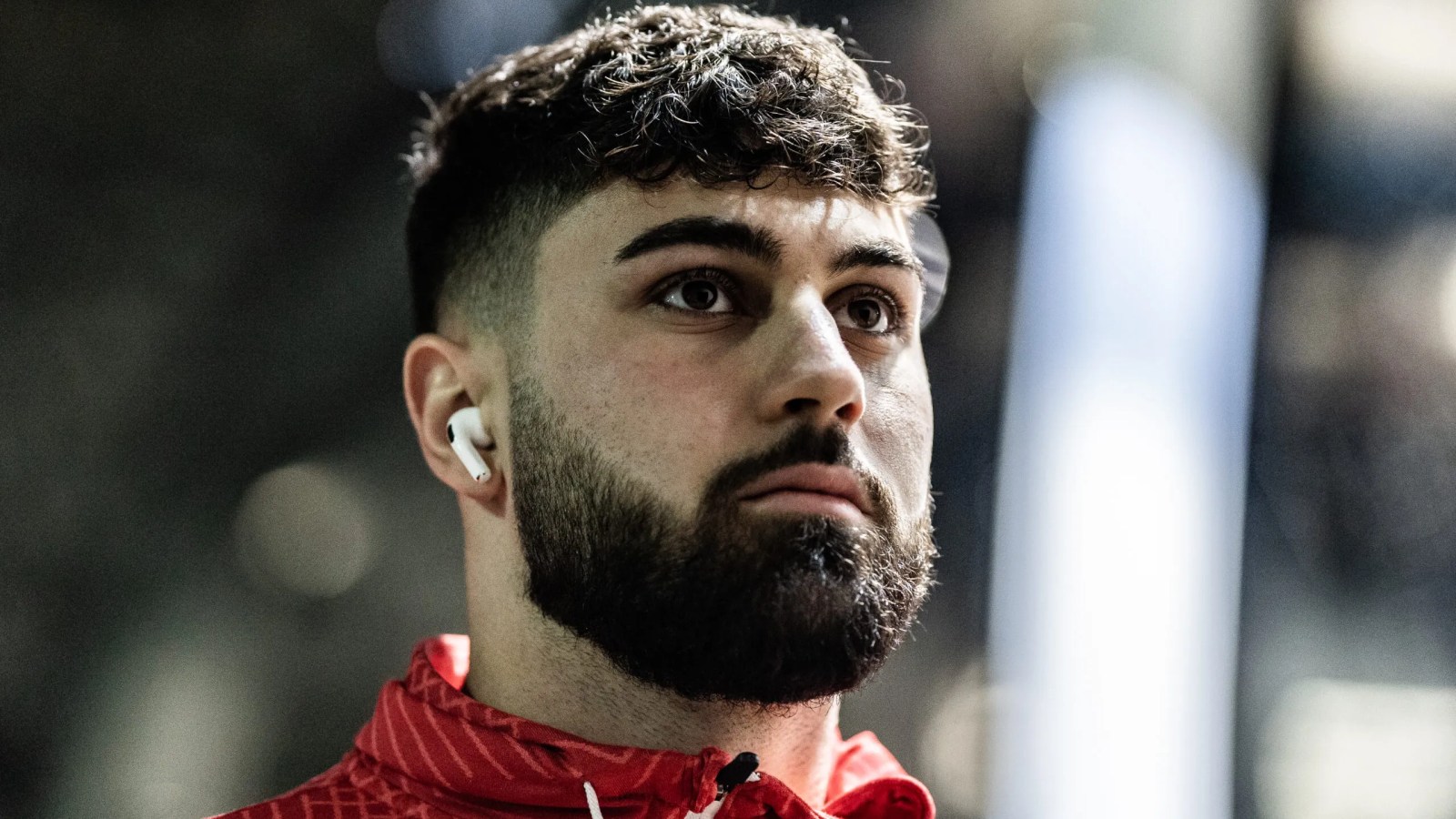
Portugal advanced from the 2026 FIFA World Cup knockout stage while Croatia’s campaign ended in painful fashion, with the defining moment arriving deep into stoppage time when Josko Gvardiol thought he had rescued an equaliser only for VAR to rule the goal out. That late intervention transformed the emotional balance of the match in an instant, taking Croatia from relief to elimination and confirming Portugal’s progress. In a tournament fixture where margins are always thin, the final verdict on Gvardiol’s effort became the single most important detail of the night. It decided not only the result, but also which team would keep its World Cup hopes alive.
- Portugal faced Croatia in the 2026 FIFA World Cup knockout stage, with the winner moving on and the loser going home.
- Croatia’s tournament ended in this match, confirming Portugal’s progression to the next round.
- Josko Gvardiol had a stoppage-time goal ruled out after a VAR review, denying Croatia a late equaliser.
- The match was played in Toronto, adding another major World Cup occasion to the host city’s schedule.
Late drama decides a knockout contest
Knockout football is often defined less by long spells of control than by a handful of moments that carry enormous weight, and this meeting between Portugal and Croatia followed that pattern. Croatia stayed alive long enough to produce one final surge, and when Gvardiol found the net in stoppage time, the immediate sense was that the contest had been thrown back into the balance. Instead, the VAR review erased that possibility and left Croatia with no route back. In a single decision, the tie shifted from the prospect of extra drama to the final confirmation of elimination.
That sequence also captured the emotional cruelty of tournament football. For Croatia, the disallowed goal represented the difference between extending the night and seeing their World Cup end on the spot. For Portugal, it removed the final obstacle, allowing them to preserve the advantage that had carried them to the brink of qualification. The stoppage-time review therefore did more than settle one incident; it shaped the entire memory of the game, because knockout matches are remembered most clearly for the moments that close the door on one team and open it for another.
What it means for Portugal and Croatia
Portugal’s reward is progression, and in knockout football that is the only outcome that ultimately matters. However the match unfolded across the full 90 minutes and beyond, Portugal had done enough to remain ahead once the review was complete, and that resilience can be every bit as valuable as fluency at this stage of the competition. Teams that advance at the World Cup are often those capable of surviving late pressure, managing tense endings and keeping their composure when the game turns chaotic. Portugal demonstrated that tournament truth by holding their position until the final whistle made their place in the next round official.
For Croatia, the ending is especially harsh because their last meaningful act of the tournament briefly appeared to be one of salvation. To score in stoppage time of a knockout match would have represented extraordinary nerve, and for a few moments Gvardiol seemed to have delivered exactly that. Instead, the review process turned celebration into disappointment and closed Croatia’s campaign immediately. Elimination in the knockout stage always carries a sense of finality, but exits shaped by a disallowed stoppage-time goal are remembered with even greater pain because they leave so little time to process what has happened.
The Toronto setting added to the sense of occasion around a match with such high stakes. World Cup knockout fixtures already carry a different intensity from group-stage games, and every key incident is magnified because there is no second chance once the result is settled. That was evident here, where one late review became the central talking point and the clearest expression of how fine the margins can be. In another context, a dramatic late moment might simply alter a group table or shift momentum; here, it ended one nation’s tournament and sent another onward.
There is also a broader lesson in how modern knockout football is decided. VAR exists to ensure that decisive moments are judged correctly, and this match offered a vivid example of its power to reshape the emotional arc of a contest in real time. Croatia experienced the highest of highs and the lowest of lows within the same passage of play, while Portugal had to wait through that uncertainty before being able to celebrate advancement. The technology did not soften the drama; if anything, it intensified it, because the delay before the final decision deepened the tension and made the outcome feel even more absolute once it arrived.
From Portugal’s perspective, the challenge now is to turn survival into momentum. Advancing from the knockout stage can strengthen belief, especially when a team comes through a tense finish and shows the discipline to protect its position under extreme pressure. Portugal will know there is little value in dwelling on how close Croatia came to changing the night; the practical reality is that they remain in the tournament and still have a path toward the latter stages. That is the privilege earned by winning knockout matches, even when confirmation arrives only after one final scare.
Croatia leave the competition with the frustration of knowing they pushed the match to a moment of maximum jeopardy for their opponents but could not make that moment count in the final record. Their tournament is over, and the image that will linger is Gvardiol’s stoppage-time intervention being erased before it could become one of the competition’s great rescue acts. It is a brutal way to go out, but it also underlines how unforgiving knockout football can be when the difference between continuation and elimination is measured in a single review. Croatia’s resistance kept them alive until the very end, yet the end arrived all the same.
Portugal now look ahead to the next knockout challenge with their World Cup ambitions intact, while Croatia must begin the process of reflecting on a campaign that ended in dramatic and deeply painful fashion. The disallowed Gvardiol equaliser will remain the defining image of this match, a stoppage-time twist that settled everything at once. For Portugal, it is a moment of escape and advancement. For Croatia, it is the final scene of their 2026 World Cup journey.

Leave a Reply