
The atmosphere in Lyon was markedly less forgiving than the euphoria that enveloped France during the recent summer of sport. Just a day after the country celebrated its Olympic and Paralympic successes. The mood shifted as the French football team faced Belgium in a less than welcoming environment.
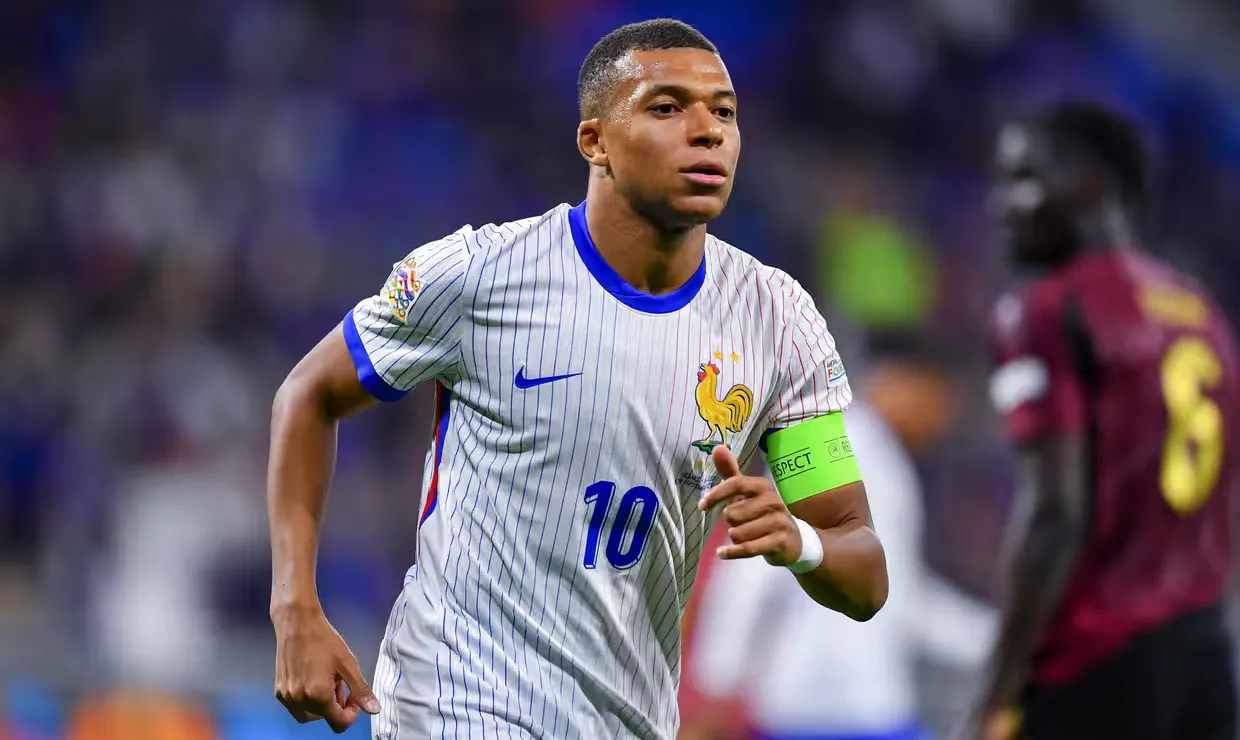
Notably, Didier Deschamps, Kylian Mbappé, Mattéo Guendouzi, and Bradley Barcola faced boos from sections of the home crowd when their names were announced. Barcola, in particular, received a hostile reception for his move to Paris Saint-Germain over a year ago, leaving a sour taste among some local fans.
Mbappé’s dismissal of critiques about the team’s style of play—calling them “the least of my worries”—added fuel to the fire of fan dissatisfaction. Deschamps’ pragmatic approach to football has also failed to win over some supporters, reflecting a broader discontent with his tactics.
Deschamps, now twelve years into his tenure, acknowledged the challenges of playing outside Paris. “I know I don’t have many unconditional fans in Lyon,” he remarked. “It’s the downside of not playing in the capital.” The reaction from parts of the crowd, however, seemed to signal a deeper frustration with his team’s style of play, beyond mere club loyalties.
Despite his track record of results, including a World Cup victory, Deschamps’ conservative tactics faced criticism following a 3-1 defeat to Italy at the Parc des Princes. The match exposed weaknesses in midfield and defense—areas previously regarded as strengths for France.
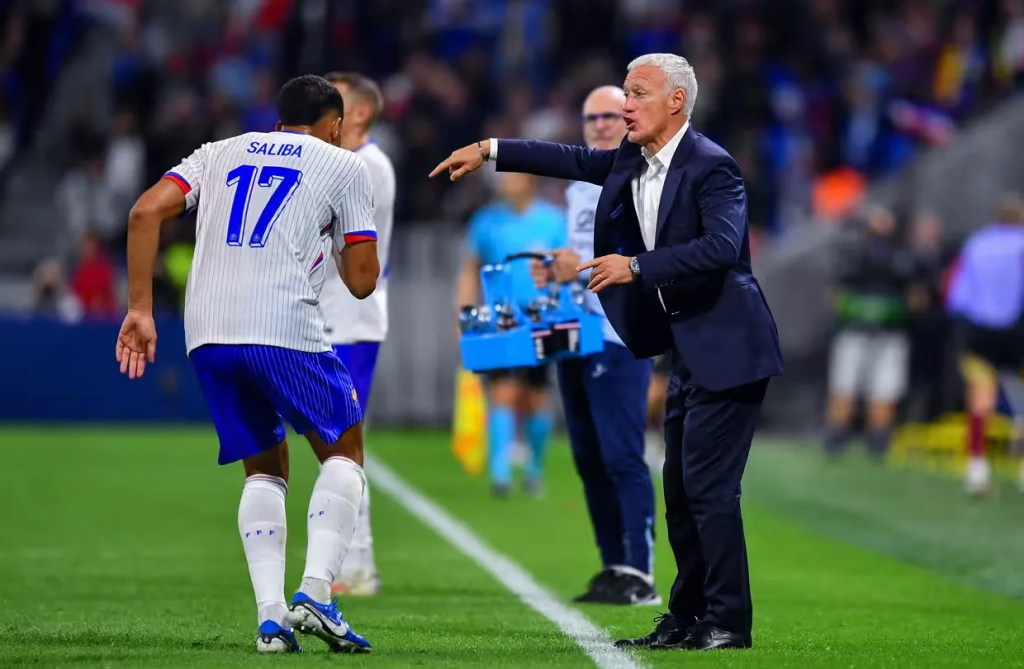
The game against Italy also highlighted a lack of attacking creativity. Although Barcola scored within the first 14-seconds, the rest of the match saw Les Bleus struggle to make an impact. A post-match outburst from Mike Maignan, criticizing the team’s commitment, underscored the growing tensions within the squad.
In contrast, France’s subsequent match against Belgium showed signs of improvement. Randal Kolo Muani and Ousmane Dembélé scored to secure a 2-0 victory, reflecting a more dynamic performance. Manu Koné, making his senior team debut, impressed with his energy and composure, contributing to a more positive display.
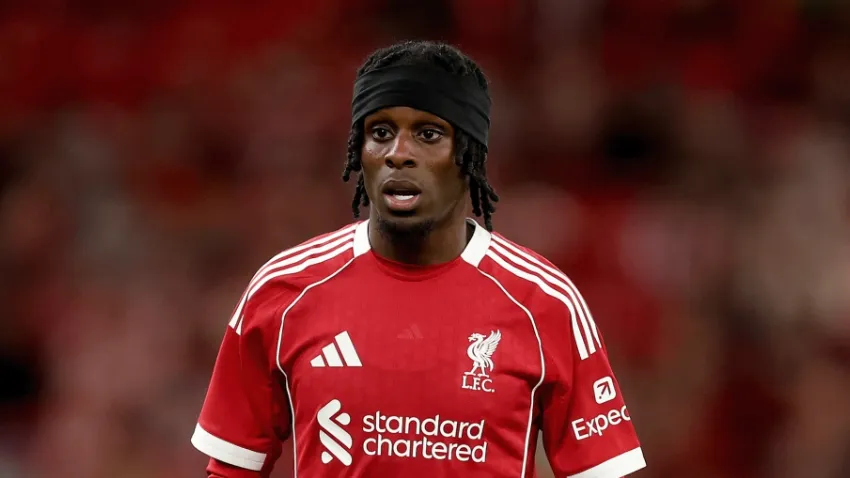
Deschamps’ tactical flexibility was evident as he shifted from a-two-man midfield to a three-man setup, which appeared to benefit team. The inclusion of new talents like Michael Olise and Koné. Alongside established players like Guendouzi and N’Golo Kanté, signals a potential shift in approach.
Despite these adjustments, concerns remain about Mbappé’s form and the team’s ability to find a consistent attacking formula. With Olivier Giroud no longer in the picture, France is still searching for a reliable target-man. With Kolo Muani emerging as a promising option.
Deschamps faces the dual challenge of building a cohesive team while fostering new leadership. With many of the stalwarts from his earlier tenure no longer involved, emerging leaders like Maignan, Ibrahima Konaté, and William Saliba are stepping up. Jules Koundé has also solidified his role as right-back, offering stability in a position historically prone to change.
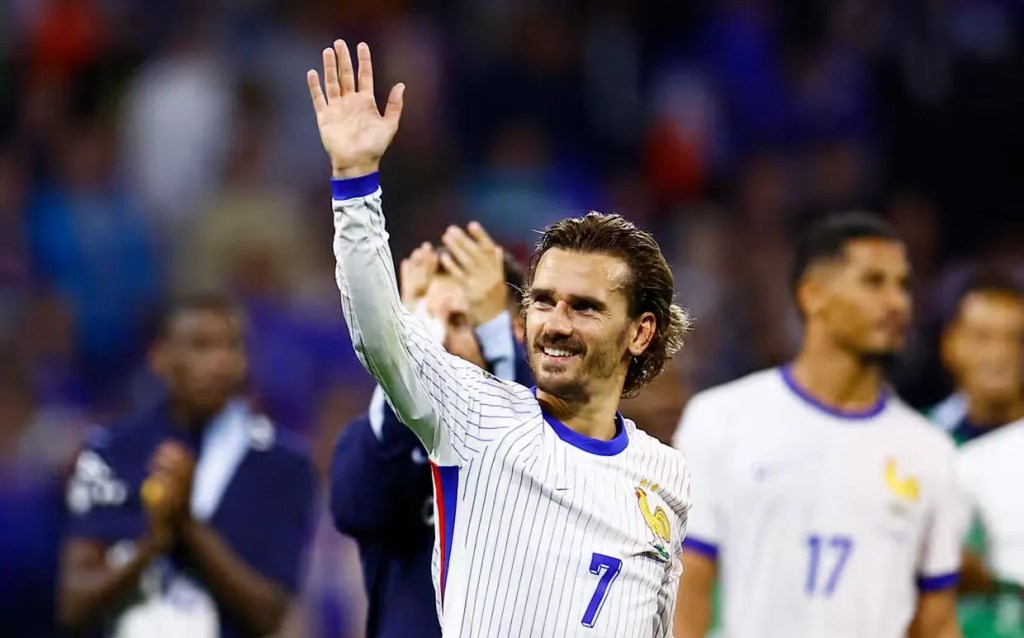
As team navigates the post-tournament transition, Deschamps is tasked with not only achieving results but also reinvigorating the squad’s spirit. The contrasting moods of triumph from the summer Games and the current football scene underscore the need for more than just victories to rekindle the public’s support.
Deschamps’ pragmatic approach may not align with the exuberance experienced during the summer. But it remains to be seen whether his strategies will evolve to capture a renewed wave of national enthusiasm as France prepares for future challenges.