

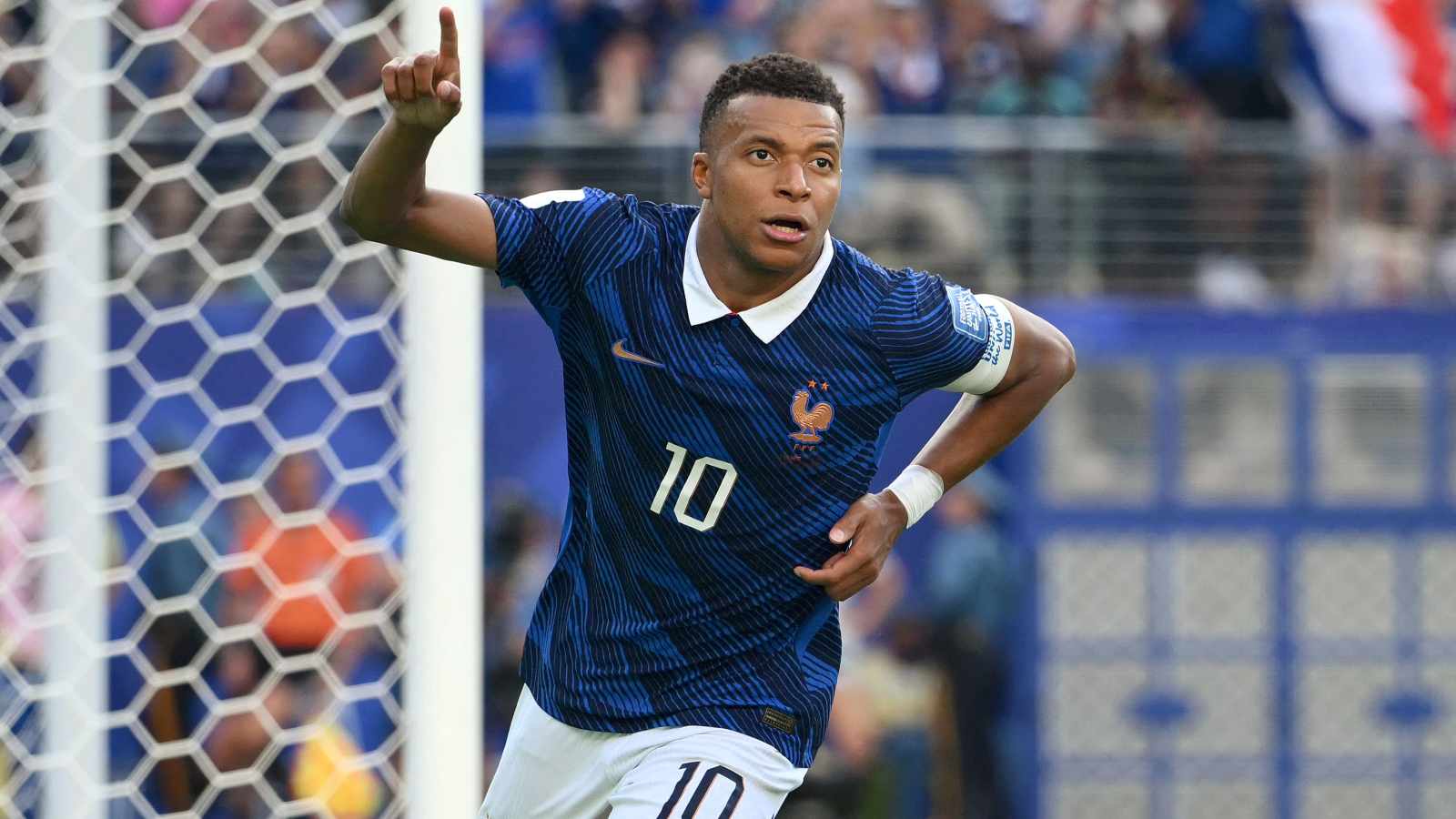
Fan engagement around the FIFA World Cup 2026 is already taking shape, but the verified picture is narrower than some claims suggest: the active voting tied to the tournament is for Goal of the Tournament, not for the best game. That distinction matters because it defines how supporters are being invited to interact with the competition and which moments are being elevated as its signature highlights. Rather than asking fans to rank entire matches, the current emphasis is on individual finishes and the quality of the tournament’s most memorable strikes. In a World Cup that is already historic for its scale and geography, the spotlight on goals underlines how FIFA is packaging the event’s drama through decisive attacking moments.
- Verified fan voting around the FIFA World Cup 2026 is for Goal of the Tournament, not for the best match of the tournament.
- FIFA selected 12 goals from the first round of group games for voting in an early phase of the process.
- A separate FIFA page says fans can relive the best goals from the tournament and vote round by round.
- A second round of voting is under way featuring 10 goals from the Round of 32.
- The 2026 World Cup is being hosted by the United States, Canada and Mexico and is the first edition of the tournament with 48 teams.
What the voting format tells us
The verified details point to a clear, structured voting system built around standout goals from different phases of the tournament. An initial selection of 12 goals from the first round of group games shows that the opening stage has been treated as its own showcase, with fans invited to weigh technique, importance and spectacle across a curated set of finishes. Separate confirmation that supporters can relive the best goals and vote round by round adds another layer to that structure, indicating a rolling process rather than a one-off ballot. That approach keeps attention on the tournament over time and allows each stage to generate its own conversation around the moments that best capture the World Cup’s mood.
Just as importantly, the second round of voting, featuring 10 goals from the Round of 32, shows how the expanded tournament format is feeding directly into fan participation. With more teams and an added knockout round in 2026, there are more matches, more narratives and, inevitably, more opportunities for memorable goals to emerge from a wider range of nations. A round-by-round voting model fits that expanded landscape neatly because it can absorb the tournament’s increased volume without losing focus. Rather than trying to reduce the entire competition to a single sweeping debate too early, the process isolates moments of quality and allows fans to revisit them in manageable stages.
Why the distinction matters in an expanded World Cup
The difference between a best-match poll and a best-goal vote is not merely semantic; it shapes how the tournament is remembered. A best-match discussion usually rewards chaos, tension, swings in momentum and broader team performance, while a best-goal vote narrows the lens to a single act of execution. That means the current fan interaction is centred less on complete games and more on the tournament’s most polished or dramatic finishing moments. In a 48-team World Cup, where the number of fixtures expands significantly, that narrower focus may be a practical way to keep audiences engaged across a long schedule while still celebrating quality from all corners of the field.
There is also broader symbolic value in this setup because 2026 is not a routine edition of the World Cup. It is being staged across the United States, Canada and Mexico, making it a truly continental hosting effort and the first tournament of its kind to involve 48 teams. Those two facts alone make this World Cup a landmark event, and any official fan-voting mechanism becomes part of how the competition presents itself to a global audience. By inviting supporters to relive the best goals and vote in stages, the tournament reinforces a sense of shared experience across a host region that spans multiple countries and a field larger than ever before.
The round-by-round nature of the voting also mirrors the rhythm of the tournament itself. Group-stage football often produces a different kind of moment from knockout football: the first can be defined by ambition, experimentation and the urgency of opening results, while the second is sharpened by elimination pressure. Separating the first round of group games from the Round of 32 in the voting process acknowledges those differences without forcing them into the same immediate comparison. It allows each phase to breathe on its own terms and gives fans a reason to revisit the tournament’s highlights as the stakes rise.
For supporters, that can be a meaningful part of the World Cup experience, especially in a competition expected to generate an enormous number of storylines. With 48 teams involved, the challenge is not simply following results but identifying the moments that cut through the noise and become part of the tournament’s lasting image. Goals are often the easiest entry point for that kind of memory because they are self-contained, instantly shareable and emotionally direct. A fan vote built around them is therefore a natural way to create continuity from one round to the next, even if it does not answer the separate question of which match has been the best overall.
That unresolved question may still animate debate among fans, but the verified information does not support the existence of an official poll asking supporters to choose the best game of the tournament. What is confirmed is more specific and, in its own way, more revealing about the priorities of the competition’s presentation. The World Cup is leaning into moments of attacking brilliance as a focal point for fan participation, and the staged voting process suggests those moments will continue to be highlighted as the event progresses. In a tournament defined by expansion, shared hosting and a broader competitive field, the cleanest through-line may be the simplest one: the goals that stop everyone, however briefly, and demand to be watched again.
As the FIFA World Cup 2026 moves forward, the fan-voting story to watch is the evolving Goal of the Tournament race. Supporters can already measure the first round of group games against the knockout drama of the Round of 32, and further stages may continue to reshape the field of contenders. With the United States, Canada and Mexico hosting a historic 48-team edition, every round has the chance to add a new signature finish to the tournament’s archive. For now, the verified takeaway is clear: the official fan ballot is about the best goals, not the best matches.



Leave a Reply