

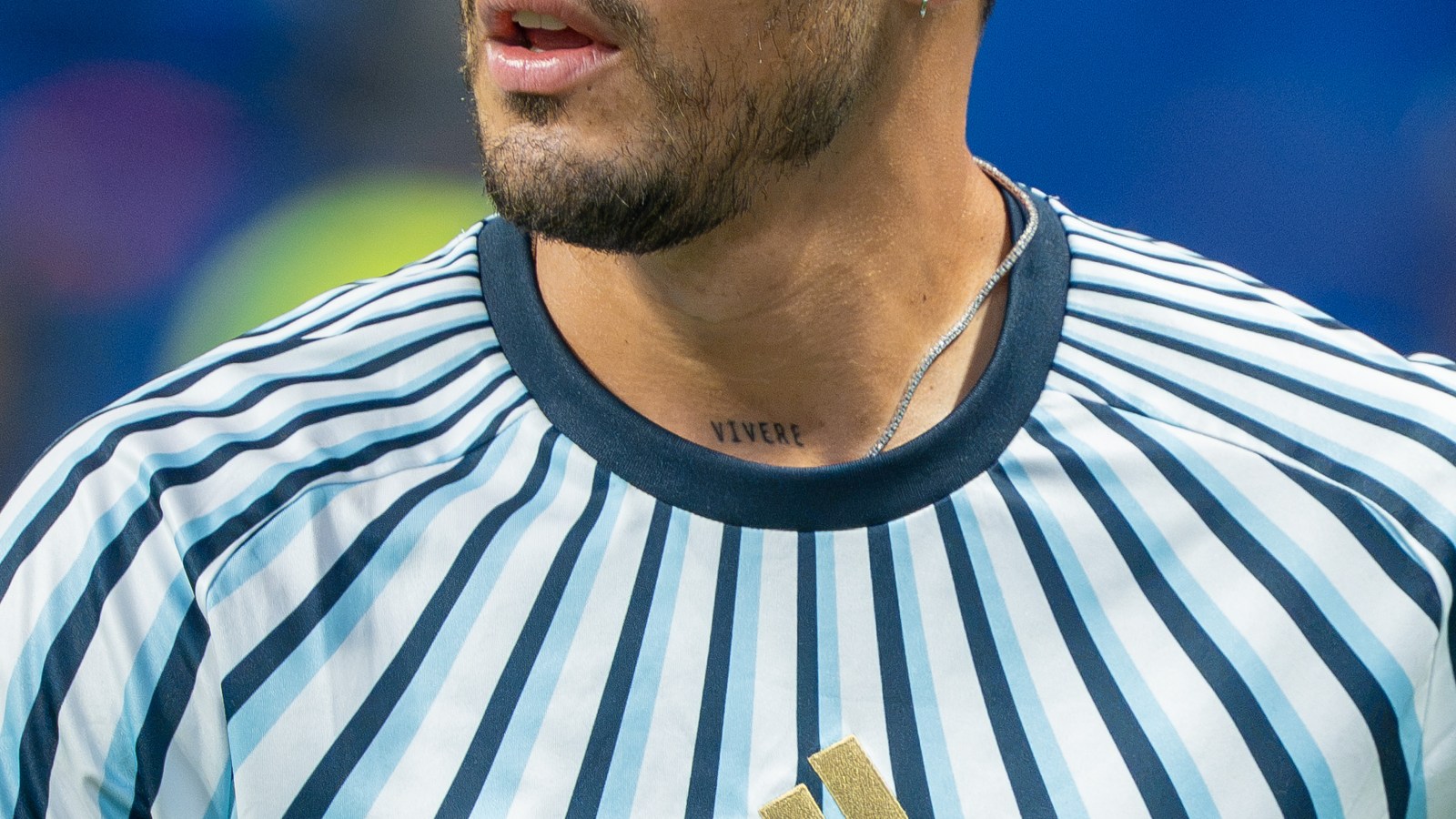
FIFA has opened an investigation into the trouble involving Argentina after the 2026 World Cup final, a move that keeps the spotlight on the chaotic scenes after the final whistle and raises the prospect of suspensions for any player or coach found responsible. Leandro Paredes has emerged as the central figure in the immediate fallout, with his role in the altercation drawing particular scrutiny even though live results incorrectly indicated that he had already been sent off. That error does not lessen the disciplinary risk hanging over him, because the active investigation means sanctions remain firmly on the table. The story has also taken a notable turn with Gavi adopting a lenient stance, publicly arguing that Paredes should not be suspended despite the confrontation.
- FIFA has opened an investigation into the trouble involving Argentina after the 2026 World Cup final.
- Any player or coach involved in the fracas could face suspension once the disciplinary process is completed.
- Live results incorrectly indicated that Leandro Paredes had already been sent off after the final.
- Paredes remains at risk of disciplinary action despite that reporting error because the investigation is ongoing.
- Gavi has publicly argued against a suspension for Paredes after the altercation.
Investigation puts post-final conduct under scrutiny
The opening of a FIFA investigation is significant because it shifts the focus from the emotion of the immediate aftermath to a formal disciplinary process with potentially serious consequences. In tournament football, especially after a World Cup final, governing bodies place enormous importance on maintaining order once the match has ended. When a post-match altercation becomes serious enough to trigger an investigation, the issue is no longer simply about tempers flaring in the heat of competition. It becomes a matter of conduct, accountability and whether actions after the whistle crossed the line into behaviour that warrants punishment.
That is why Paredes’ status matters so much in this case. The live-results error suggesting he had already been sent off created confusion around his immediate disciplinary position, but the clearer picture is that he could still face action. A mistaken update does not resolve a disciplinary case, and it does not shield any participant from later review if FIFA decides the incident merits sanctions. For Argentina, that uncertainty matters because investigations of this kind can extend the consequences of a final well beyond the night itself, potentially affecting future international availability for any players or staff found to have played a role.
The confrontation has centred heavily on Paredes, with accounts describing him confronting Gavi after the final whistle. Some descriptions have gone further in detailing the incident, but the central verified point remains that his conduct is under the microscope while FIFA considers what happened. That distinction is important because the disciplinary process will determine whether the available evidence supports any punishment. Until that process is complete, the key fact is not that sanctions are certain, but that they are possible and that the investigation keeps every relevant action open to official review.
More broadly, the case illustrates how quickly a final’s narrative can shift from sporting drama to regulatory scrutiny. The match itself may be over, but once disciplinary authorities become involved, the aftermath takes on a different weight. Every action, reaction and exchange can be assessed in a colder, more formal context than the one in which it occurred. That is why the investigation matters beyond the immediate headlines: it will determine whether the post-match disorder is treated as an emotional spillover from a high-pressure occasion or as conduct serious enough to bring formal punishment.
Gavi’s stance adds nuance to the fallout
Gavi’s public call for leniency adds an intriguing layer to the aftermath because it introduces a voice from the opposing side that is not pushing for the harshest possible outcome. In high-profile incidents after major finals, the expectation is often that emotions harden and rival camps dig in. Instead, Gavi has made clear that he does not think Paredes should be suspended after the altercation. That position does not decide the case, but it does shape the tone around it by suggesting that at least one of the central figures on the other side is willing to separate the intensity of the moment from the punishment that might follow.
There is also a broader football context to Gavi’s stance. Finals are emotionally charged environments in which players operate at the edge of exhaustion, pressure and adrenaline, and post-match confrontations can escalate quickly once the result is settled. A plea for restraint in that setting can be read as an acknowledgment of how volatile those moments are, even when the behaviour itself is unacceptable. At the same time, FIFA’s role is not to mirror the personal preferences of the players involved, but to judge whether the conduct met the threshold for disciplinary action under its rules.
For Argentina, the investigation is an unwelcome extension of a night that should have been defined only by football. Even without confirmed sanctions, the existence of the case creates a cloud over the team because it invites scrutiny of post-match discipline and collective control. If any player or coach is ultimately punished, the practical impact could stretch into future fixtures, while the reputational impact is immediate. That is often the hidden cost of incidents after major finals: the match itself is over, but the consequences continue to unfold in meeting rooms and disciplinary reviews rather than on the pitch.
The case also underlines how quickly confusion can spread in the digital age when live updates are treated as settled fact. The incorrect indication that Paredes had already been sent off could easily have been mistaken for a final resolution, when in reality the more important issue was always the possibility of retrospective action. FIFA’s investigation is now the only process that truly matters, because it will decide whether the altercation leads to suspensions or other sanctions. Until then, the most responsible reading of events is a restrained one: there is an active inquiry, Paredes remains exposed to possible punishment, and Gavi has argued that a ban would be too severe.
What comes next is a waiting game for everyone involved. FIFA’s investigation will determine whether the post-final trouble involving Argentina results in disciplinary measures, and any player or coach found to have been involved could still face suspension. Paredes remains the central name to watch because of the focus on his role and the confusion created by the incorrect live update, while Gavi’s lenient public stance ensures the debate will not be one-dimensional. Until a formal decision arrives, the final’s aftermath remains unresolved, with the governing body now responsible for deciding whether a heated confrontation becomes a punishable offence.

Leave a Reply