

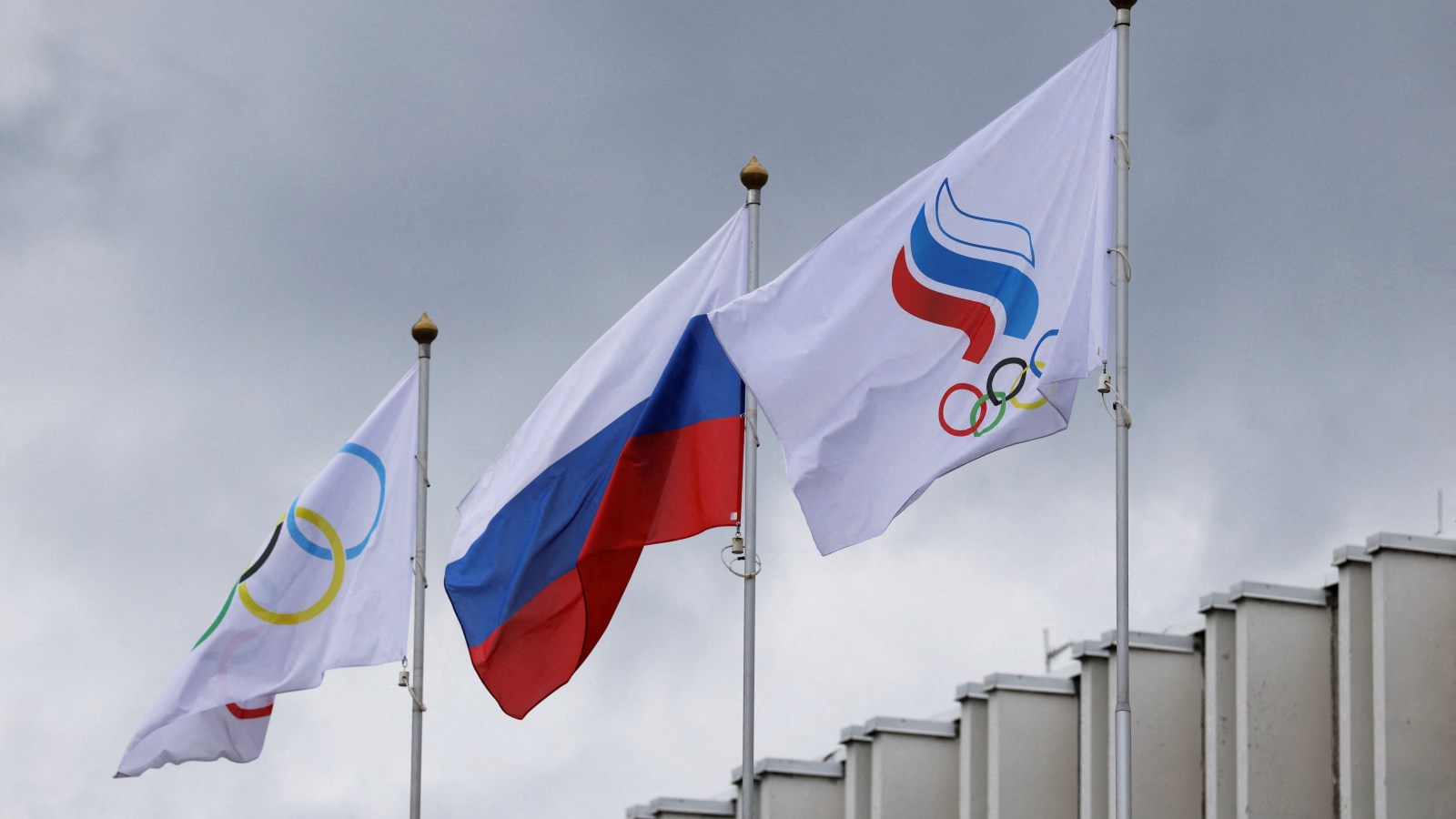
Russia remains outside FIFA and UEFA competition, but its place within the governing structures of world and European football still carries significant weight as the 2026 World Cup cycle unfolds. The key issue is not a return to the field, but the fact that the Russian Football Union continues to hold membership in both organisations despite the ban on participation. That distinction matters because membership preserves institutional rights, including a vote in the FIFA presidential process. In practical terms, Russia is shut out of matches and tournaments under FIFA and UEFA authority, yet it has not been removed from either organisation, creating an important separation between sporting exclusion and formal governance status.
- The Russian Football Union is barred from participating in FIFA competitions.
- The Russian Football Union is also barred from participating in UEFA competitions.
- Despite those bans, Russia retains membership in both FIFA and UEFA.
- Because that membership remains in place, Russia still holds FIFA presidential voting rights.
- No further confirmed detail is available here on any specific vote, timing, or change in status.
Why the distinction matters
The difference between being banned from competition and losing membership is central to understanding Russia’s current position in football. A competition ban prevents a national federation and its teams from taking part on the pitch, affecting qualification pathways, tournament participation and the broader sporting calendar. Membership, however, concerns constitutional standing within a governing body, and that status carries rights and responsibilities that exist separately from match participation. As long as the Russian Football Union remains a member, it continues to occupy a place within the formal framework of international football administration even while its teams remain excluded from FIFA and UEFA events.
That split has direct relevance to the wider landscape around the 2026 World Cup, even without any confirmed change to Russia’s competitive status. FIFA’s presidential voting process is one of the clearest examples of how governance can remain active even when sporting access is closed off. The position is straightforward: Russia’s retained membership means those voting rights are still intact. For the global game, that underlines how disciplinary or political isolation in competition does not automatically amount to complete institutional removal, and it helps explain why Russia can remain part of football’s decision-making architecture despite not being part of its tournaments.
What it means for the World Cup landscape
From a World Cup perspective, the immediate sporting picture is straightforward: Russia is barred from participating in FIFA competitions, so there is no confirmed route here into the 2026 tournament through ordinary competition. That keeps the federation outside the central drama of qualification, squad building and match preparation that defines the run-up to a World Cup. Yet the governance element still matters because FIFA is not only a tournament organiser; it is also a membership-based institution whose decisions are shaped by its constituent federations. Russia’s continued presence within that membership structure means it remains connected to the political and administrative life of the sport, even while absent from the competitive stage.
This creates a notable contrast between visibility and influence. On the field, a ban removes a federation from the weekly and monthly rhythm of international football, where results, rankings and qualification campaigns usually determine relevance. Off the field, membership ensures that a federation is not entirely detached from football’s power structures. The Russian Football Union’s continued voting rights illustrate that influence in football does not flow only through matches and tournaments; it can also come through the constitutional mechanisms that shape leadership and direction at the top of the sport.
The lack of any further confirmed detail is also important when assessing the situation carefully. There is no verified information here about a specific upcoming vote, any revised timetable, or any change to Russia’s membership status beyond what is already established. That means the most accurate reading is a narrow one: Russia remains banned from FIFA and UEFA competitions, but it has not lost membership in either body and therefore still holds FIFA presidential voting rights. In a subject that often attracts speculation, the confirmed facts point to continuity rather than any fresh development in competitive eligibility or formal standing.
Looking ahead, the significance of this issue will remain tied to whether Russia’s status changes in either of the two areas that now define its position: competition access and institutional membership. For now, the verified picture is stable. Russia is still excluded from FIFA and UEFA competitions, which keeps it outside the sporting path toward the 2026 World Cup, but it still belongs to both organisations and retains the voting rights that come with that membership. Until any confirmed change emerges, that dual reality will continue to shape Russia’s place in international football: absent from the pitch, but not absent from the governing system.


Leave a Reply