

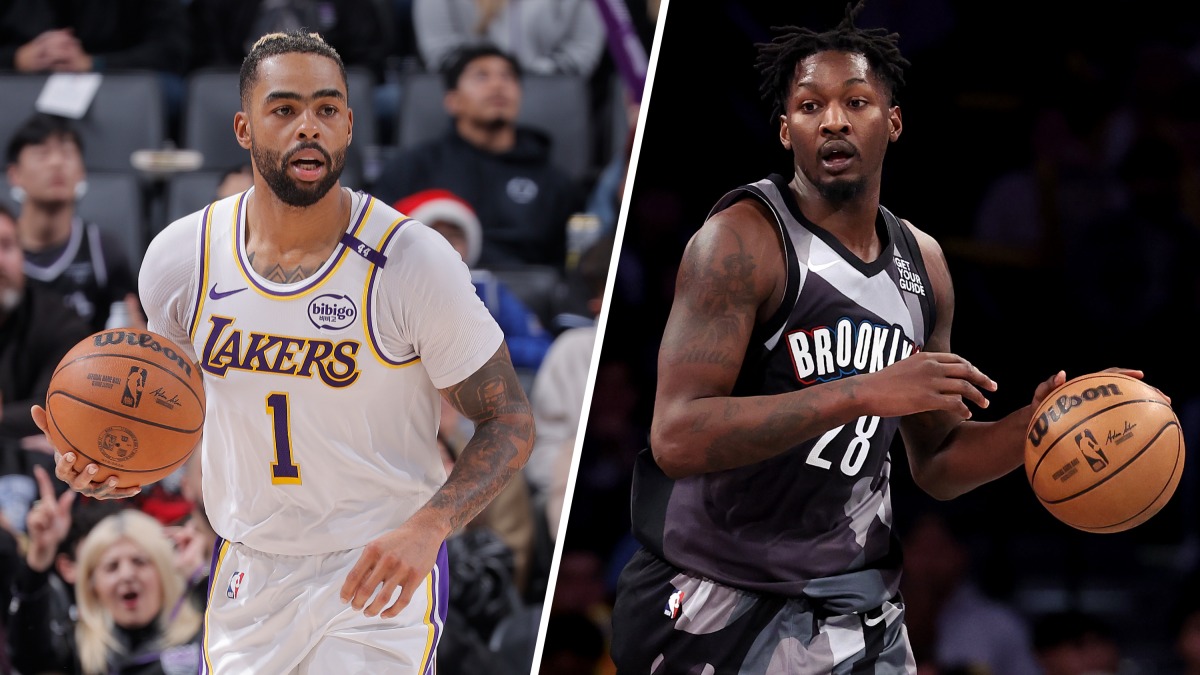
In an early NBA trade deadline move, the Los Angeles Lakers and Brooklyn Nets shook up their rosters, sending ripple effects across the league. The deal saw D’Angelo Russell, along with Maxwell Lewis and three future second-round picks (2027, 2030, and 2031), head to Brooklyn. In return, the Lakers acquired Dorian Finney-Smith and Shake Milton.
Both teams emerged with solid outcomes, achieving their respective goals in the process. Here’s a breakdown of what this trade means for both franchises:
Why This Trade Works for the Lakers
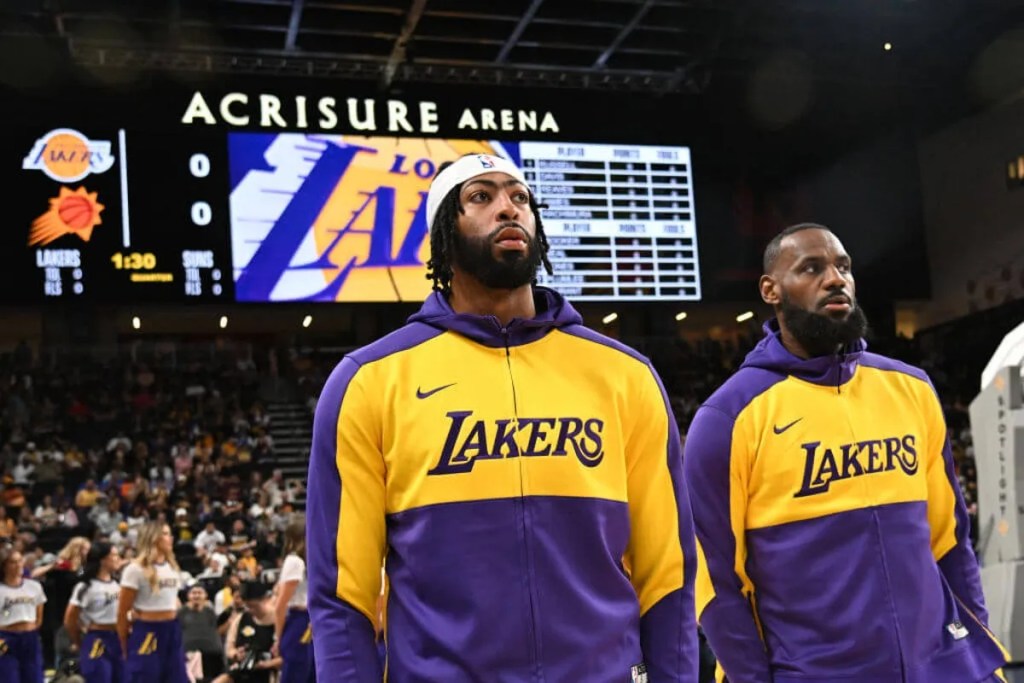
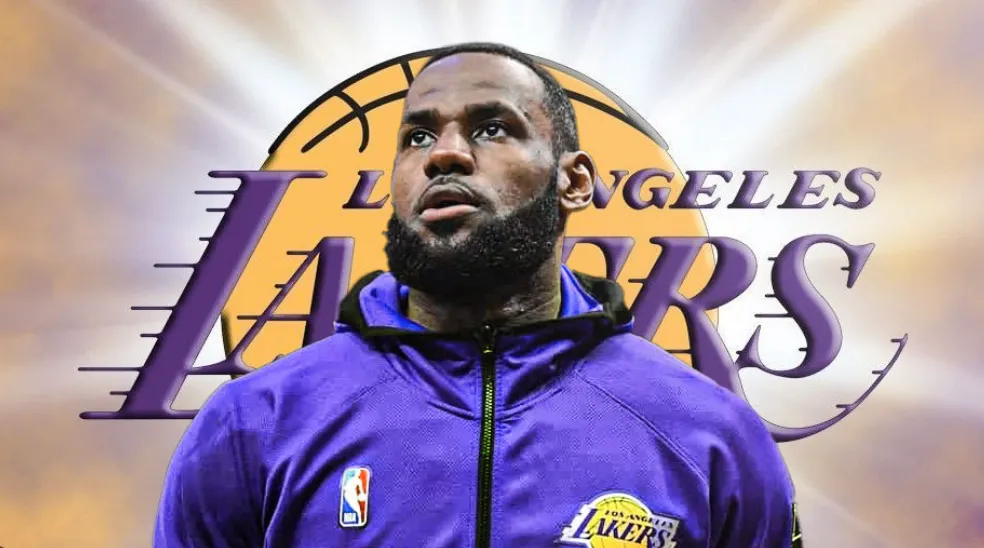
With LeBron James and Anthony Davis leading the charge, the Lakers are firmly in win-now mode. To support their title aspirations, they needed players who could provide consistent contributions on both ends of the court. Enter Dorian Finney-Smith, a versatile 6-foot-7 forward who excels as a two-way player.
Finney-Smith is enjoying a career-best season, shooting 43.5% from beyond the arc on 5.4 attempts per game while guarding positions ranging from shooting guards to small centers. His defensive prowess and offensive efficiency make him an ideal fit for a Lakers squad that has often lacked balance between offense and defense.
The addition of Shake Milton further bolsters the Lakers’ depth. As a proven scorer off the bench, Milton offers instant offense and can take on extended minutes when necessary.
Trading away D’Angelo Russell, whose inconsistent performances and defensive struggles made him a questionable fit under head coach JJ Redick, was a necessary step. While parting with draft picks was the cost of improvement, the Lakers managed to retain their first-round assets, an important consideration for their future flexibility.
What This Means for the Nets
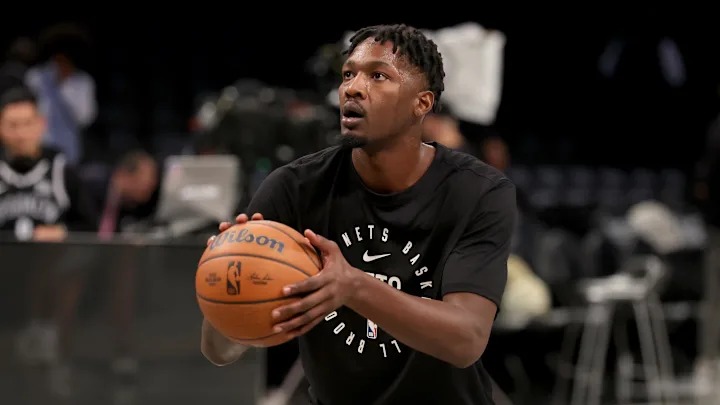
For Brooklyn, this trade is less about the present and more about long-term planning. The Nets are rebuilding and saw an opportunity to maximize the value of Dorian Finney-Smith, who holds a $15.3 million player option next summer. In exchange, they acquired Russell’s expiring $18.6 million contract and three second-round picks, adding to their growing stockpile of draft assets.
While Russell is unlikely to have a significant impact on the court this season, his presence aligns with Brooklyn’s potential tanking strategy. The downgrade from Finney-Smith to Russell could quietly aid the team’s push for a high pick in the 2025 NBA Draft.
At 12-20, the Nets are competitive enough to avoid outright bottom-dweller status but still need to focus on securing foundational pieces for the future. Russell’s inefficiencies as a scorer and defender inadvertently support that goal without overtly tanking.
A Balanced Trade for Both Teams
This deal stands as a win-win for both franchises. The Lakers enhance their immediate title prospects with key additions that address glaring roster deficiencies. Meanwhile, the Nets take a pragmatic approach by prioritizing financial flexibility and draft capital to rebuild for the future.
With this calculated move, the Lakers have strengthened their postseason outlook, while the Nets remain on course to strategically rebuild their team. Both teams walk away from this trade in a better position to achieve their respective goals.

Leave a Reply