
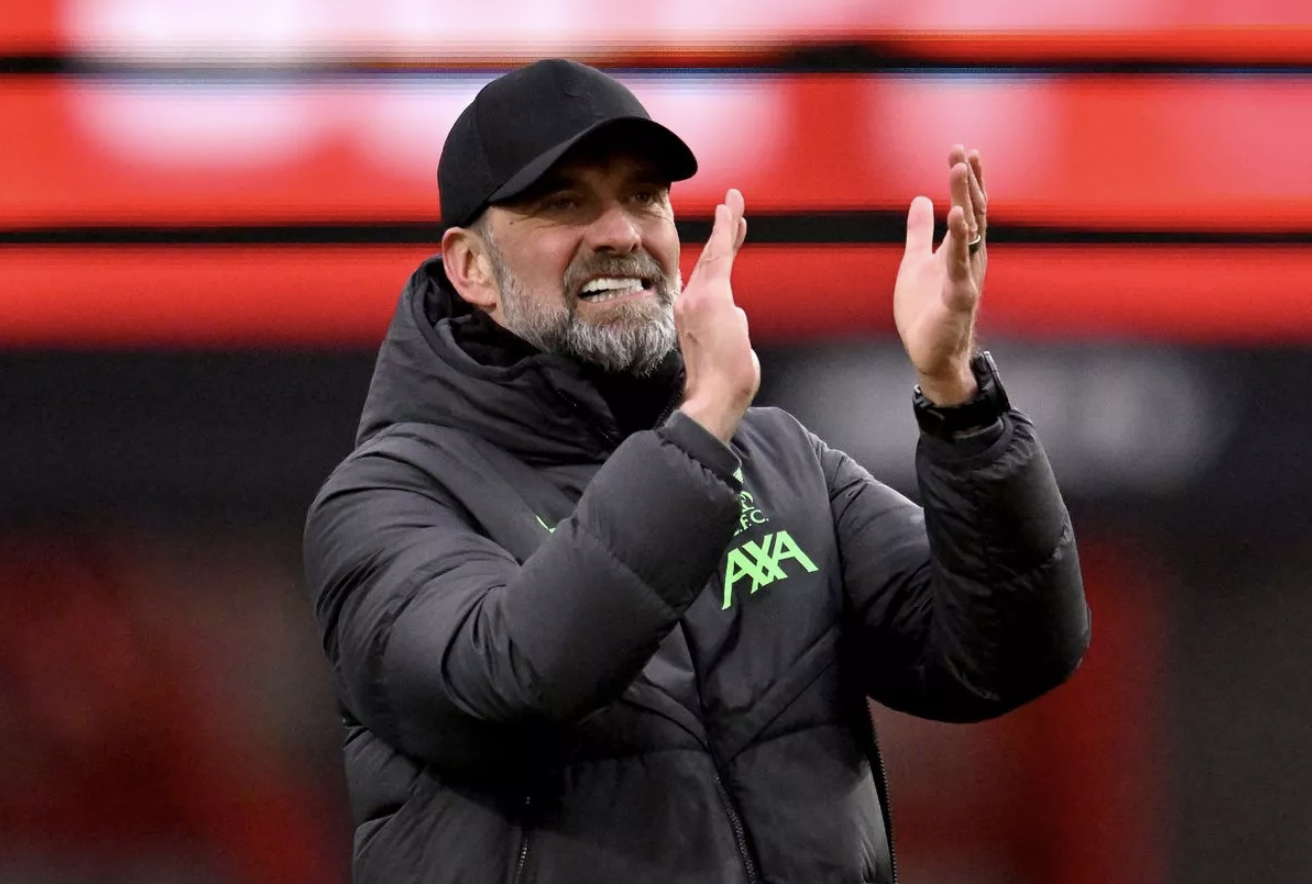
Six weeks have passed since Jurgen Klopp’s revealing interview, yet its message continues to reverberate throughout the football world. In the 25 minute video, Klopp’s candid remarks shed light on the toll of relentless demands and the absence of respite, painting a picture of a leader nearing exhaustion and urging his team to give their all for the season.
Klopp’s impending departure from Liverpool after nearly nine years at Anfield marks a seismic shift in Premier League history. His decision, shrouded in secrecy until its revelation, under scores the harsh reality faced by modern day managers. It’s a reality where burnout, once predominantly associated with players, now extends to those at the helm.
This weekends clash between Liverpool and Manchester City not only shapes the title race but also signifies the final encounter between the leagues two longest serving managers: Klopp and Pep Guardiola. As they bid farewell to their respective clubs, their lengthy tenures highlight the demanding nature of the managerial role.
In today’s football landscape, management has become increasingly challenging, with executives cramming more games into club seasons than ever before. Despite the emphasis on long-term projects and philosophies, shorter managerial stints are becoming more common, particularly among younger coaches.
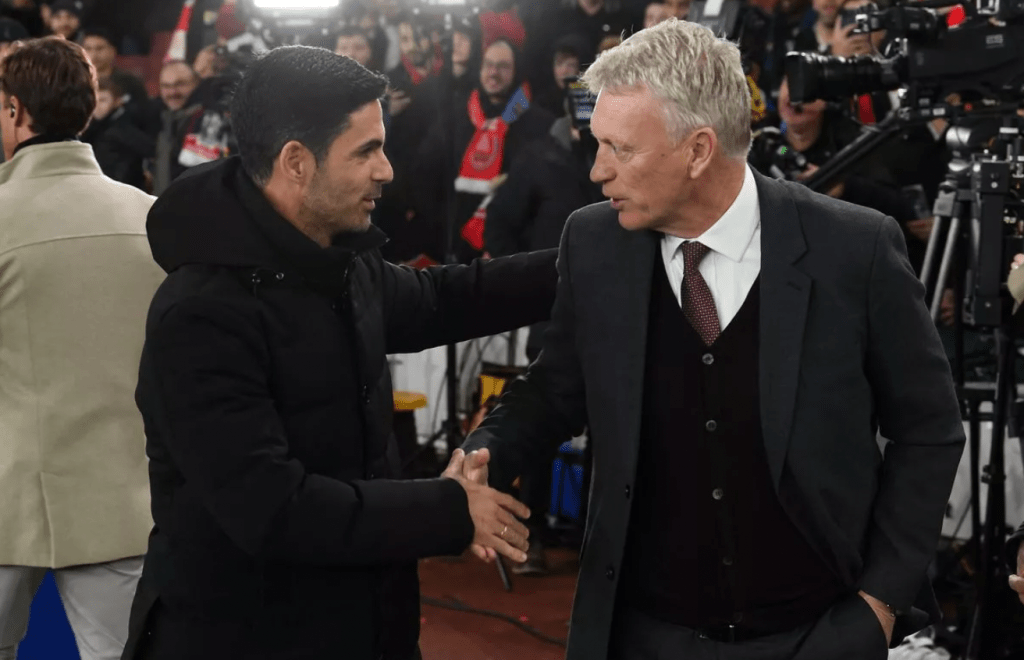
The role of a head coach now extends beyond tactical decisions on the pitch. Managers are often called upon to serve as club spokes people, navigate media obligations, and address external pressures, all while striving for on field success. This added work load takes a toll on their mental and physical well-being, yet support for managers mental health remains scarce.
Clubs are making strides in addressing employee well-being, but managers continue to bear the brunt of criticism when results falter. The intense scrutiny from both traditional media and social platforms contributes to the high pressure environment faced by managers, exacerbating the challenges they already confront.
While efforts to support managers are evident, there remains a pressing need for greater awareness and action to address the toll of the managerial role. Klopp’s departure, a rare display of vulnerability in footballs hyper-masculine environment, serves as a stark reminder of the importance of prioritizing managers’ well-being in the sport.
As the footballing world reflects on Klopp’s decision, it prompts a broader conversation about the damaging effects of managerial stress and the need for systemic change within the industry. While change may not come overnight, Klopp’s departure offers an opportunity for introspection and a renewed commitment to supporting managers in an increasingly demanding profession.