

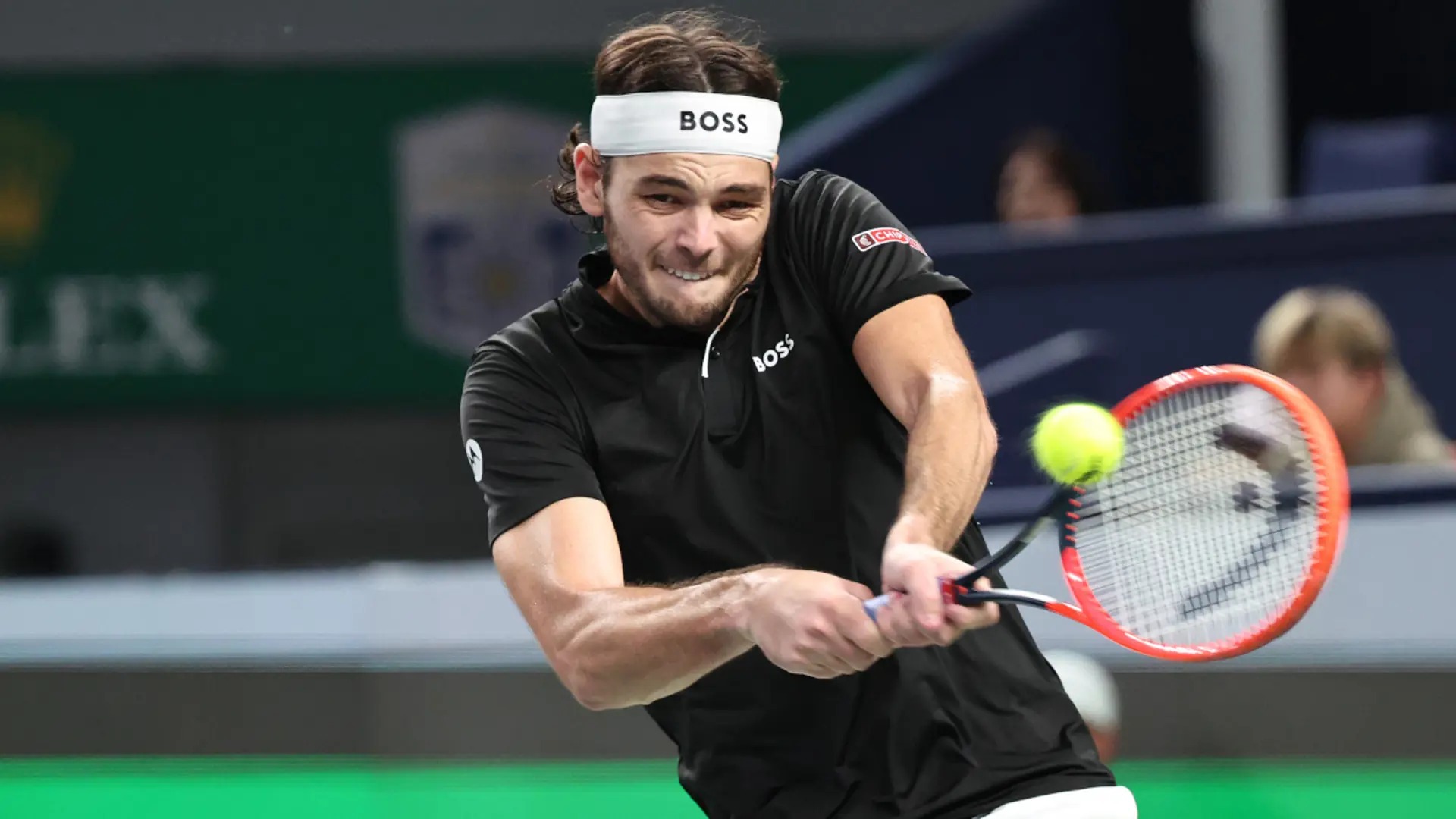
The International Tennis Federation (ITF) has stirred controversy with its recent announcement that off-court coaching will be permitted starting January 1, 2025. This decision follows a trial run during the 2023 season across all four Grand Slam tournaments and the ATP and WTA tours, aiming to enhance the fairness and entertainment value of tennis. However, it has drawn sharp criticism from notable players, including world number six Taylor Fritz and former top-10 player Denis Shapovalov.
The ITF stated that it reached its ruling after consulting extensively with various stakeholders, including players, coaches, and umpires. They argue that the change will create a “fairer and, potentially, more entertaining” version of the sport, allowing players to receive strategic advice from coaches during matches without facing penalties.
Despite the ITF’s optimistic outlook, many in the tennis community disagree. Taylor Fritz, who was a finalist at the US Open, took to social media platform X (formerly Twitter) to express his frustration. In a pointed message, he said, “Can we stop ruining the 1v1 mental/strategic aspect of the sport PLEASE.” Fritz has long opposed off-court coaching, believing it undermines the mental and strategic elements that define individual competition in tennis.
Denis Shapovalov echoed Fritz’s sentiments in a similar post on X, voicing his disappointment in the new rule. “Not just as a tennis player but as a fan of this sport, it’s sad to see this new off-court coaching rule. Tennis is special because you are out there alone. Why are you trying to change the beauty of this game?” His remarks reflect a broader concern among traditionalists who fear that tennis authorities might compromise the integrity of the sport.
In defense of the new rule, ITF Senior Executive Director Stuart Miller highlighted positive feedback from various sectors within the tennis community. “Players felt it was a positive development and makes tournaments more interesting for them. Coaches have indicated that it aids player development and enhances the standing of their profession,” Miller said. He also noted that chair umpires support the change, as it allows them to focus solely on officiating without the added burden of monitoring for coaching violations.
As the tennis world prepares for this significant shift, the debate surrounding the balance between tradition and modernization in the sport continues.
Leave a Reply