

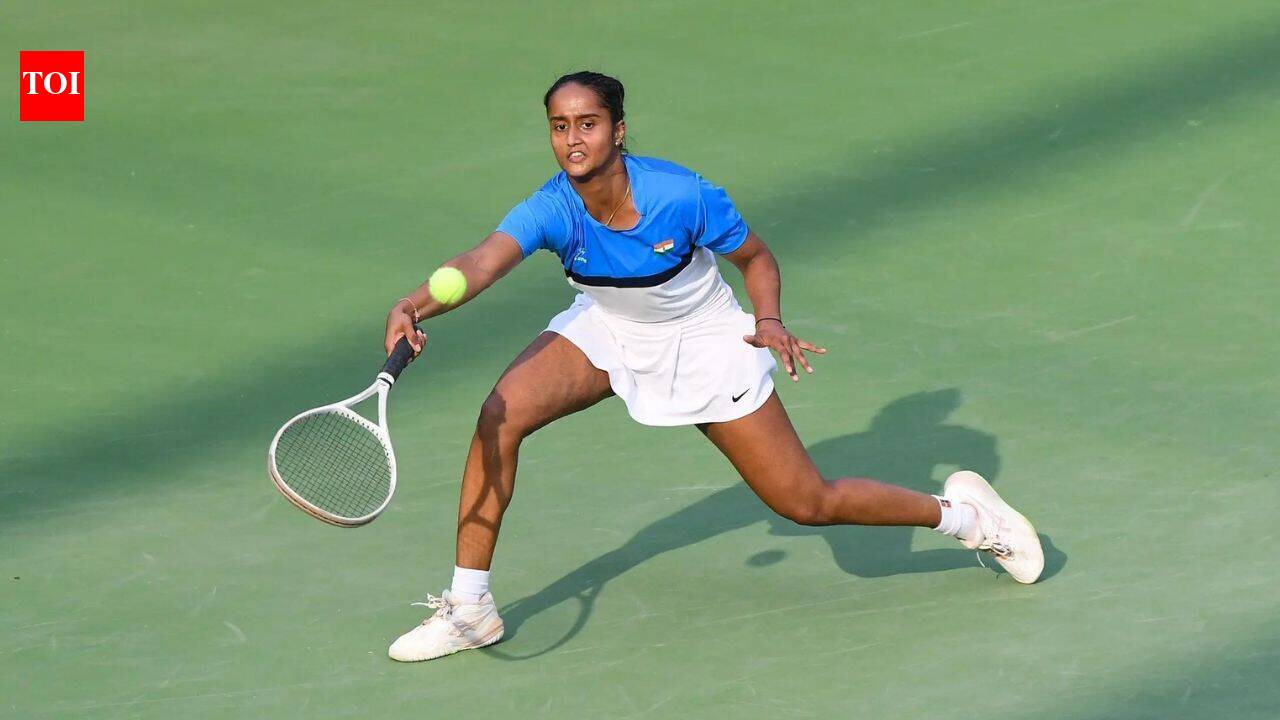
Indian Tennis Selection sparks firestorm as Asian Games loom
Indian Tennis Selection has become the flashpoint of controversy as the Asian Games approach, with senior players, officials and fans locked in a heated debate over who will wear the tricolor in Aichi‑Nagoya.
India’s full roster of qualified athletes for the 2026 Asian Games was released earlier this month, showcasing a deep pool of talent across every discipline. Yet the tennis contingent, a sport that traditionally delivers medals for the nation, is mired in a selection row that threatens to undermine the team’s morale and its chances on the hard courts of Nagoya.
Selection controversy escalates
Two senior voices have taken the microphone. Doubles stalwart Rohan Bopanna publicly questioned the criteria used by the Tennis Federation of India (TTFI), pointing out that five promising players—among them Manas Dhamne and Vaishnavi—were left out despite strong recent performances. In a candid interview, Bopanna said, “The process lacks transparency, and it hurts the very athletes who have been grinding for years to earn a spot.”
Adding to the uproar, former table‑tennis star Manika Batra took to X (formerly Twitter) to demand intervention from the Prime Minister and the Sports Ministry. Her post read, “I am deeply disappointed by the TTFI’s decision to omit me from the Asian Games squad. This is not just a personal setback; it is a blow to Indian tennis as a whole.” Batra’s appeal underscores a growing perception that the selection framework is skewed, favoring a handful of established names over emerging talent.
The official squad, announced by the TTFI, lists seasoned campaigners such as Sathiyan Gnanasekaran, Harmeet Desai and Sreeja Akula for table tennis, and a blend of experienced and younger tennis players ready to “serve, rally, and compete with pride” at Nagoya. While the table‑tennis lineup has been praised for its balance, the tennis list has drawn criticism for its perceived lack of depth.
Impact on India’s medal prospects
India entered the 2026 Asian Games with high expectations, especially after a successful qualification campaign that saw athletes across 30 sports secure their spots. Tennis, historically a medal‑rich discipline for the country, now faces an uncertain future. Analysts warn that excluding in‑form players like Dhamne—who has recently broken into the top 200 of the ATP rankings—could cost India valuable points and podium finishes.
Moreover, the controversy may ripple beyond the court. Team cohesion is essential in a multi‑sport event where athletes feed off each other’s energy. The public spat between senior players and the federation could create a divide, affecting training camps and strategic planning in the crucial weeks before departure.
From a broader perspective, the selection row highlights systemic issues within Indian sports governance. The lack of a clear, merit‑based selection policy not only erodes trust among athletes but also raises questions about the country’s readiness to compete at the highest level. If unresolved, the dispute could set a precedent for future events, prompting calls for an overhaul of selection mechanisms across all sports.
Despite the turbulence, the TTFI maintains that the chosen squad meets the “performance and readiness” standards required for the Asian Games. A spokesperson, speaking on condition of anonymity, said, “Our priority is to field a team that can deliver results under pressure. The athletes selected have demonstrated consistency in international tournaments and have the mental fortitude needed for the Asian Games stage.”
Fans, meanwhile, have taken to social media to voice their support for both the established stars and the excluded hopefuls. Hashtags like #SelectFairPlay and #BatraForNagoya have trended, reflecting a nation eager to see its representatives chosen on merit rather than reputation alone.
FAQ
Why were Manas Dhamne and Vaishnavi omitted from the squad?
The TTFI cited “overall performance metrics” and “team balance” as the primary reasons. Critics argue that recent ATP and WTA rankings, which show Dhamne breaking into the top 200, were not given sufficient weight.
What is Manika Batra’s main grievance?
Batra claims the TTFI’s selection process was opaque and that she was not given a clear explanation for her exclusion, despite her consistent results in international table‑tennis events.
How might this controversy affect India’s performance at the Asian Games?
Experts warn that internal discord could hamper preparation, reduce team morale, and potentially cost India medals in tennis—a sport where depth and confidence are crucial.
Final Thoughts
The Indian Tennis Selection saga is more than a headline; it is a litmus test for the nation’s sporting administration. As the Asian Games countdown ticks, the federation faces a pivotal choice: double down on its current approach or open a transparent dialogue with the athletes it aims to represent. The outcome will shape not only India’s medal tally in Nagoya but also the trust between players and officials for years to come.


Leave a Reply