

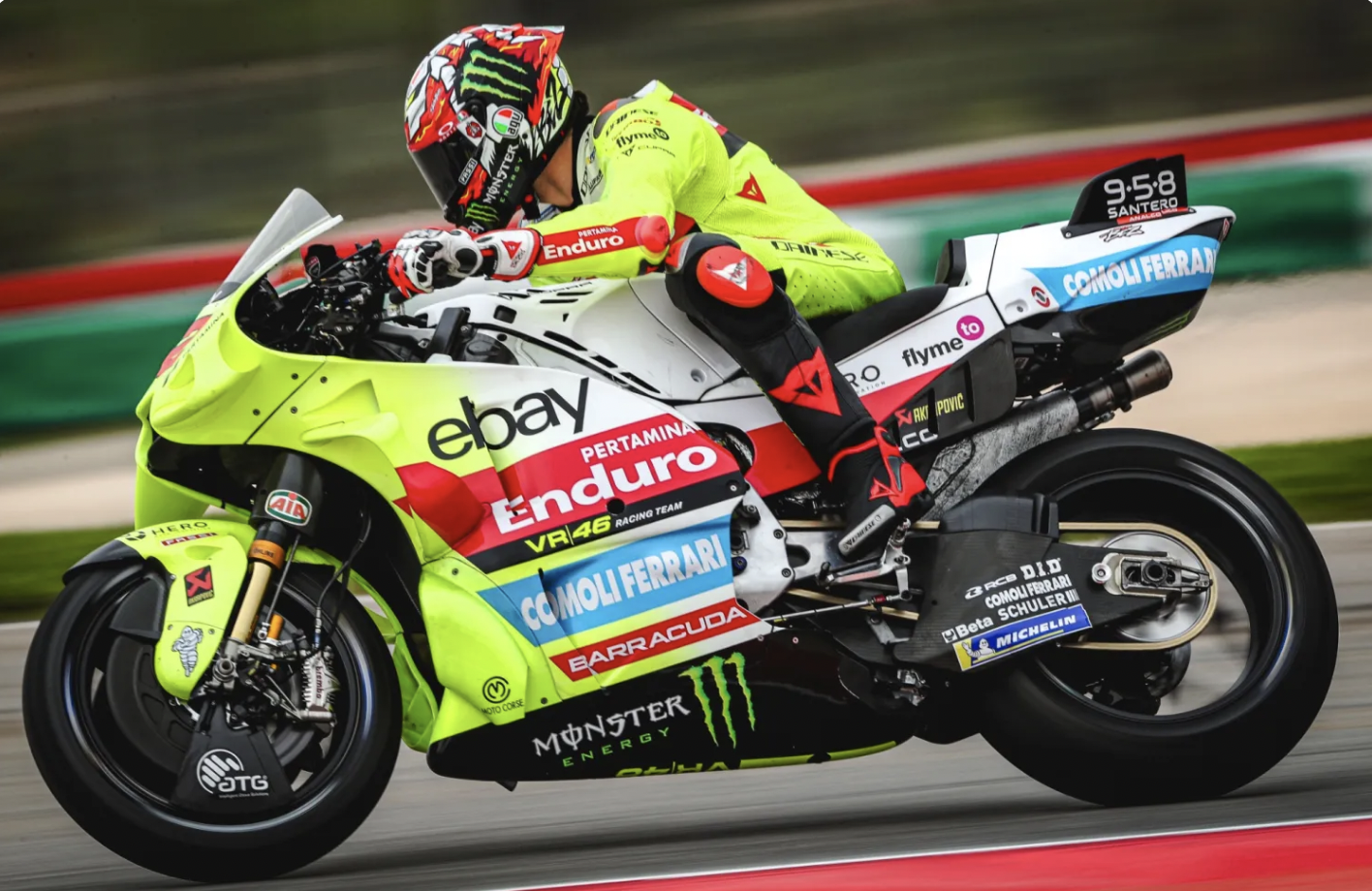
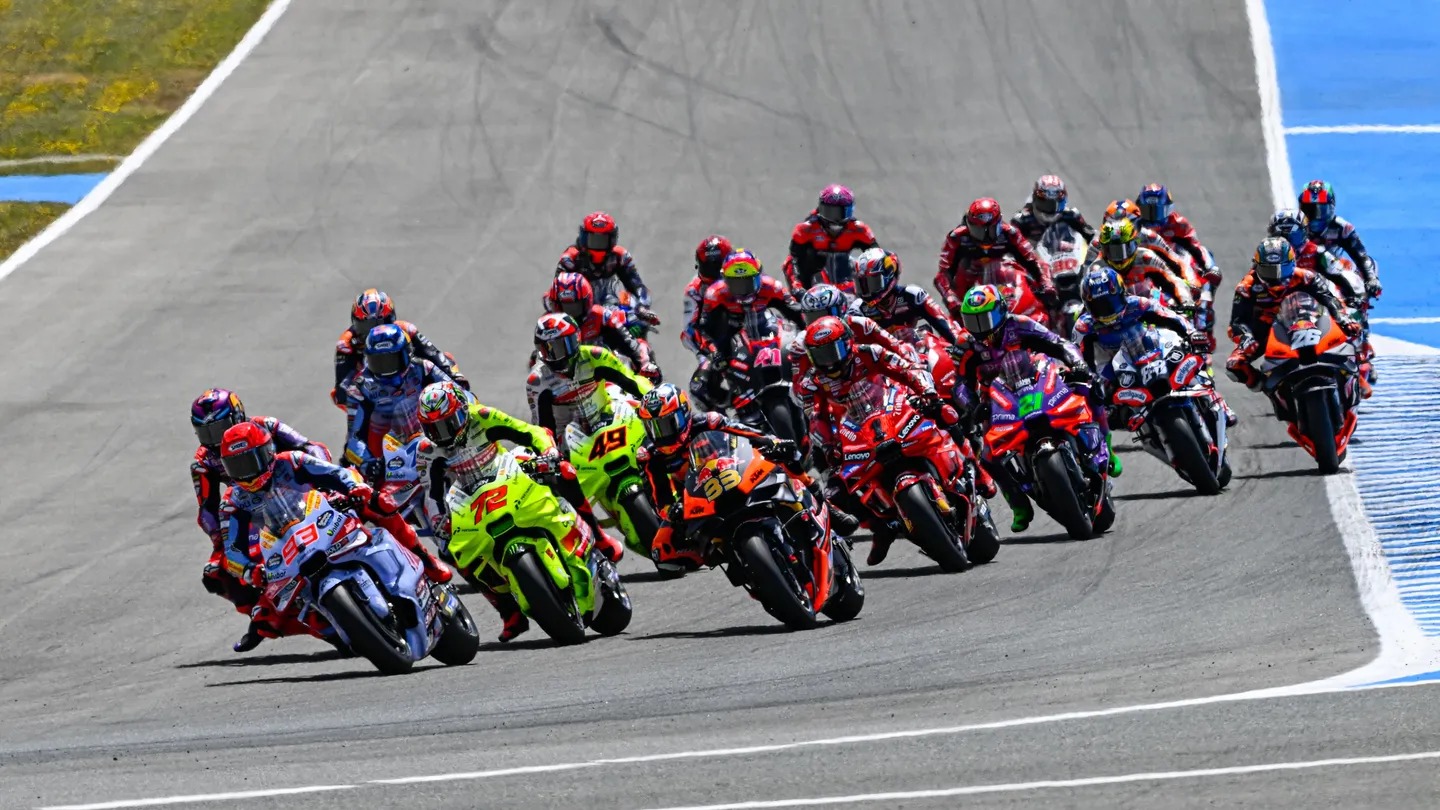
The MotoGP grid currently sees Desmosedici machines occupying 36% of the field. However, while Gresini’s place in the lineup is secured until 2025, Ducati’s agreements with Pramac and VR46 are set to expire after this season.
Yamaha, reduced to only a factory entry since 2022, aims to bolster its presence by recruiting a satellite team for the upcoming year. Doubling its grid presence.
Despite Ducati fielding eight bikes since 2016, ongoing discussions revolve around whether a cap on bikes per manufacturer should be introduced, particularly considering the Desmosedici’s continued competitiveness after securing two consecutive titles.
, owner of the GASGAS Tech3 team, emphasized the significance of independent teams having. The autonomy to choose their preferred bikes, highlighting the principles of a free market. He emphasized that the decision ultimately lies with. The teams based on factors like performance, cost, and support from the factory.
Reflecting on MotoGP’s ideal scenario, Poncharal acknowledged Dorna’s aspiration for each manufacturer to support one satellite team, offering financial incentives to encourage participation. However, achieving this vision has proven challenging, with some manufacturers opting out due to various reasons.
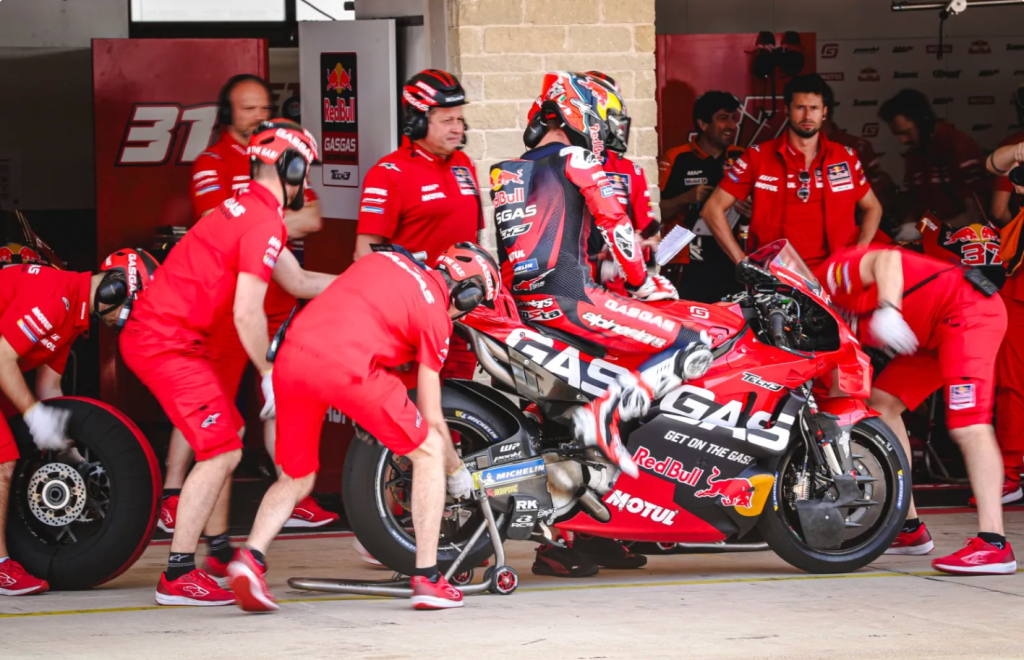
Poncharal underscored the increasing importance of satellite teams in MotoGP. Emphasizing their role in talent development, data gathering, and overall competitiveness. He noted a shift in perception, with satellite teams now seen as advantageous rather than burdensome.
Looking ahead, Poncharal predicted that nearly every factory will eventually have a satellite team, given the benefits they offer. He emphasized the importance of a comprehensive package from manufacturers, encompassing performance, support, and long-term commitment.
In conclusion, Poncharal highlighted the importance of considering the overall offer when evaluating manufacturer partnerships, emphasizing factors beyond on-track performance. He cited examples from his own experience to illustrate how a holistic approach can lead to successful collaborations in MotoGP.
The article also provides an overview of the current distribution of entries among manufacturers and details contractual situations with satellite teams, including potential negotiations between teams and manufacturers for future partnerships.
Leave a Reply