


McLaren’s controversial rear wing design in Formula 1’s 2024 season has become a point of pride for the team, symbolizing its transformation from a midfield contender to a genuine innovator in the sport.
The team’s low downforce rear wing, which featured an upper element that appeared to rotate back at higher speeds, was first noticed at the Azerbaijan Grand Prix. This movement created a gap between the two elements of the wing, often referred to as a “mini DRS,” drawing the attention of rival teams and prompting questions about its legality.
After a thorough review, the FIA confirmed that McLaren’s rear wing complied with the regulations but requested the team to modify the design to avoid prompting an arms race in aerodynamic solutions. As a result, McLaren made changes to its rear wings, and other teams also adjusted their designs to align with the updated guidelines.
Reflecting on the controversy, McLaren’s Engineering Technical Director Neil Houldey emphasized that the attention surrounding their innovation is a sign of progress and a compliment to the team’s growing influence. “If you go back 12 months, no one was interested in what we were doing,” Houldey said in an exclusive interview. “Now, teams are concerned about what we’re doing, trying to emulate us. It shows how much has changed in the last 18 months and highlights the performance we’ve brought to the car.”
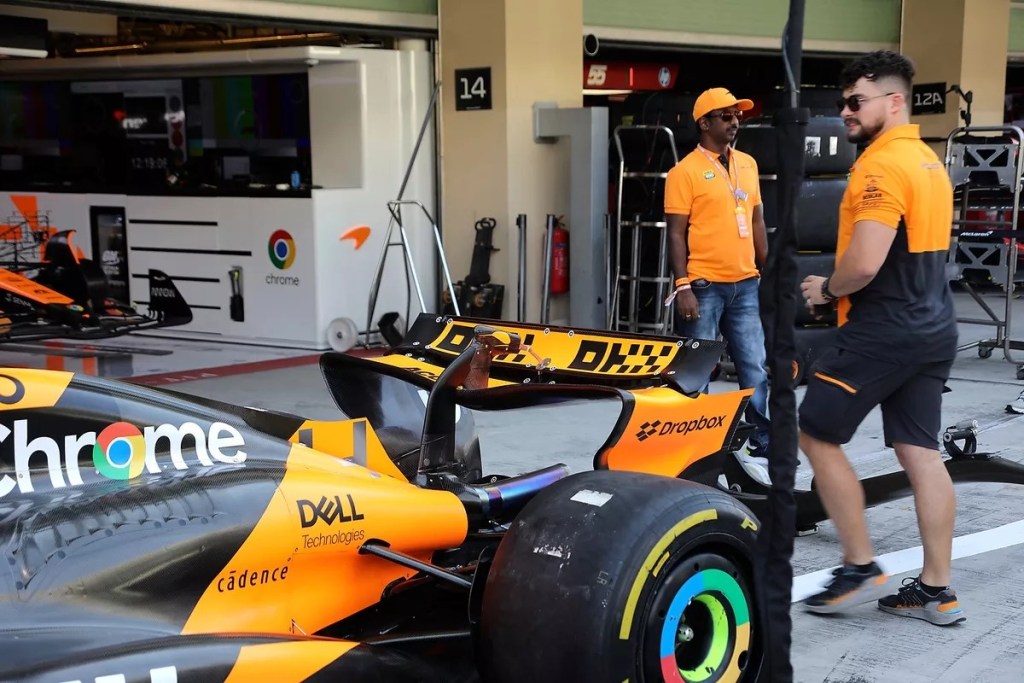
Houldey explained that the design was fully legal when introduced, but after receiving feedback from other teams and the FIA, McLaren agreed to reduce the wing’s effect to match those of other competitors, ensuring it did not spark a new development race. “We were happy to comply, as we always aim to work with the FIA for the betterment of the sport,” he added.
The development of the rear wing was just one aspect of McLaren’s overall aerodynamic improvement in 2024, which has contributed significantly to the team’s rise in the standings. After a disappointing 2023 season in terms of aerodynamic efficiency, McLaren focused heavily on redesigning its rear wings and enhancing the DRS effect. The result has been a remarkable performance boost, helping the team to surpass rivals like Ferrari and Red Bull.
“Our rear wings weren’t optimal last season, both in terms of efficiency and the DRS effect,” Houldey explained. “We knew it was a weak point, so we made it a priority to develop this area through 2023 and into this year, aiming to become class-leading.”
The efforts have paid off, as McLaren now competes closely with Red Bull, particularly in the DRS sector. “We’re now very, very close to Red Bull’s DRS performance,” Houldey added. “But we’re not stopping here—we know there’s still more potential in the car, and we’ll continue to push for further improvements.”
McLaren’s innovative approach, combined with aggressive development across various areas of the car, has allowed the team to challenge the traditional powerhouses in F1, marking a new era for the squad as a serious competitor in the championship.


Leave a Reply