

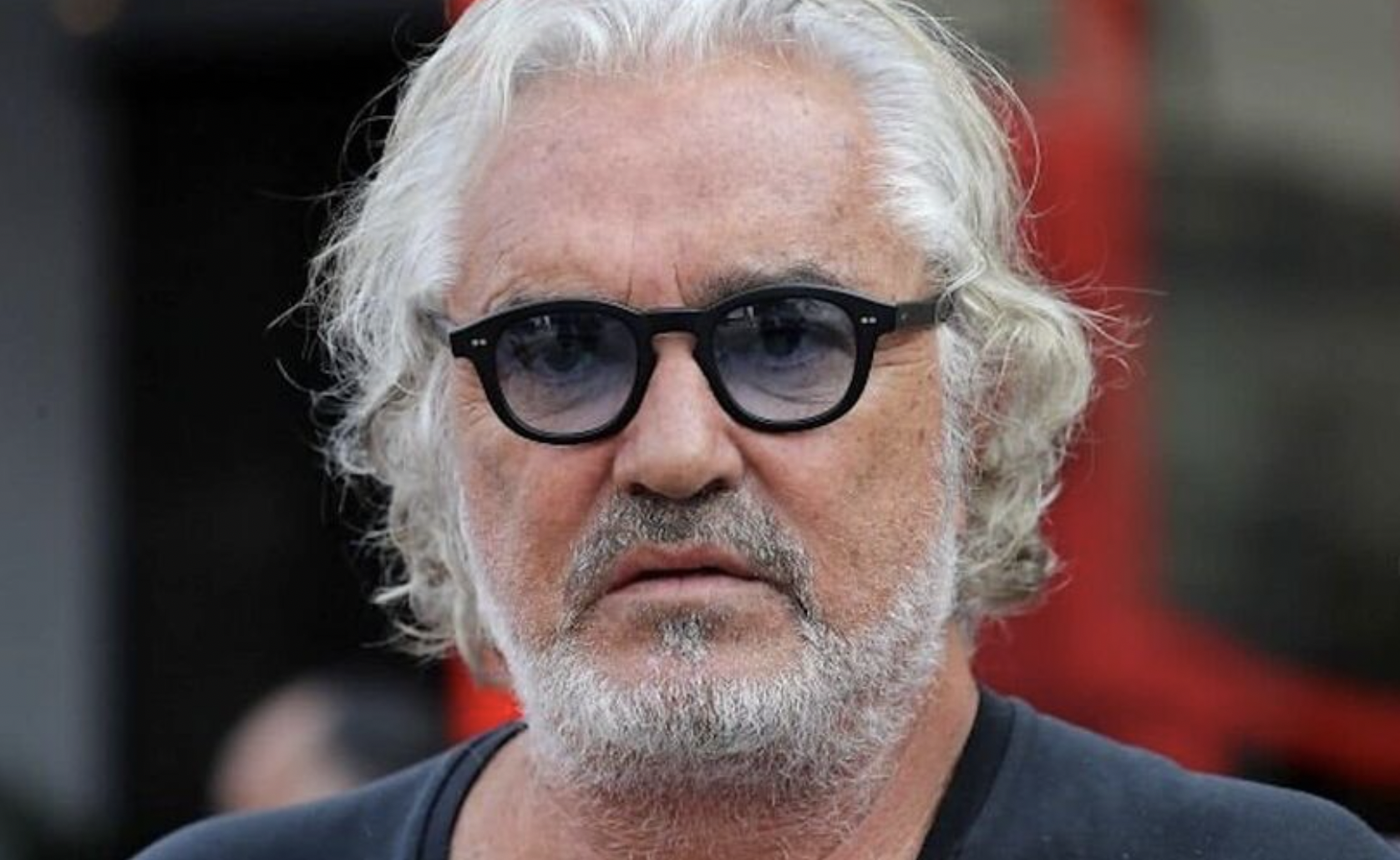
Flavio Briatore, at 74, has returned to the Alpine F1 team, marking a notable comeback after his forced resignation in 2009 following the 2008 Singapore Grand Prix controversy. Appointed by Luca de Meo, CEO of Alpine’s parent company Renault, Briatore’s new role focuses on high-level areas such as talent scouting, driver market insights, and advising on strategic matters.
This recruitment follows a tumultuous period for Alpine, which has seen significant management changes over the past year. Since July 2023, the team has dismissed former chief executive Laurent Rossi and lost key figures including their team principal, sporting director, technical director, head of aerodynamics, operations director, and engineering consultant.
Alpine’s competitive performance has also declined, slipping from fourth to sixth between 2022 and 2023, and starting this year with one of the slowest cars on the grid. After nine races this season, they are eighth out of ten teams in the championship.
De Meo is working to restructure the team under new principal Bruno Famin, recently hiring respected former McLaren and Ferrari engineer David Sanchez as executive technical director. Briatore’s appointment is part of this restructuring effort.
Briatore’s return signifies his rehabilitation following the ‘crashgate’ scandal, where Renault driver Nelson Piquet deliberately crashed during the 2008 Singapore Grand Prix to benefit teammate Fernando Alonso, who won the race. The FIA indefinitely banned Briatore for orchestrating the incident, but he always denied involvement. In 2010, France’s high court overturned the ban, and Briatore has since maintained a peripheral role in F1, particularly in managing Alonso’s career.
Before ‘crashgate’, Briatore was known as a highly effective manager in F1. His career began with success in the fashion industry with Benetton, which led to his appointment as the head of their F1 team in 1988. Under his leadership, the team won drivers’ titles with Michael Schumacher in 1994 and 1995, although controversy marked his tenure, including the discovery of illegal traction control software in the 1994 season.
Benetton replaced Briatore as boss in 1997, but he returned to F1 as managing director and team principal when Renault acquired Benetton F1 in 2000. This second stint brought further success, with Alonso winning drivers’ and constructors’ titles in 2005 and 2006.
Alpine sees Briatore’s return as a strategic move to leverage his extensive experience and expertise to help the team regain its competitive edge in F1.
Leave a Reply