

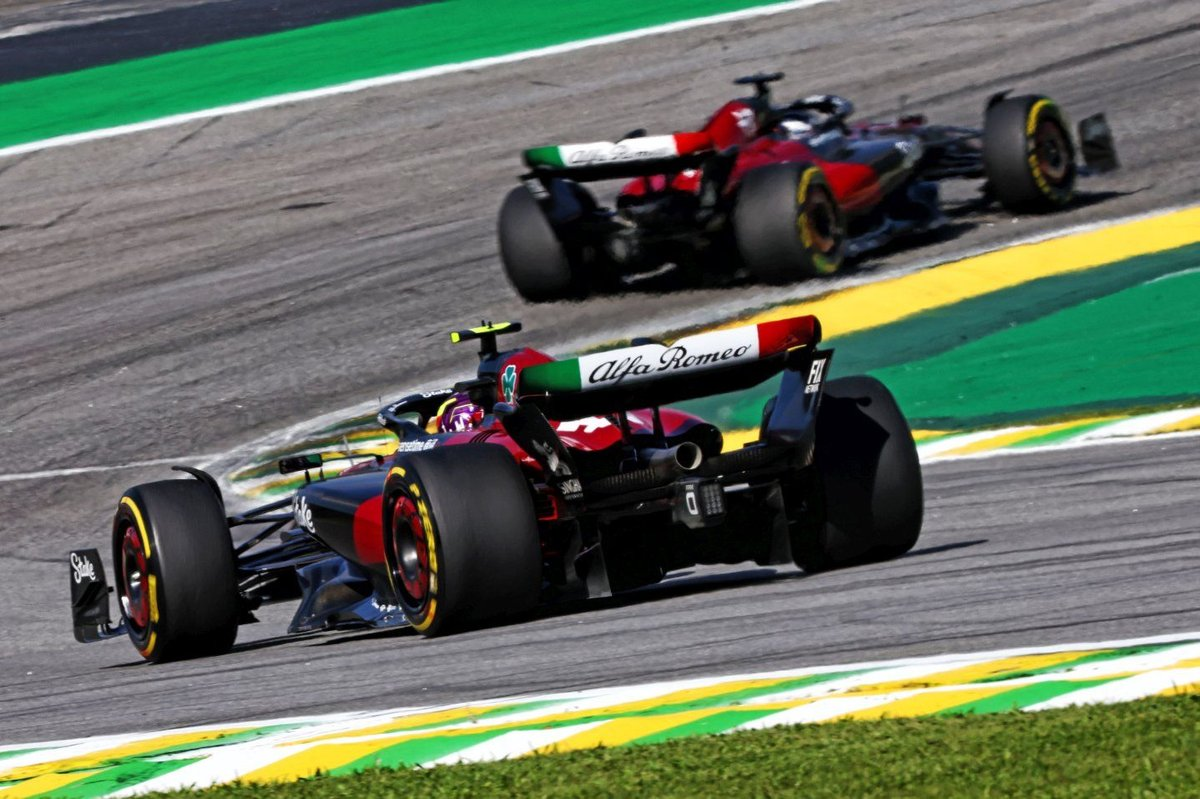
In preparation for the 2026 Formula 1 season, Audi and Ford/Red Bull Powertrains are actively developing new power units. Meanwhile, Cadillac plans to enter as a manufacturer in 2028 with the proposed Andretti team.
Transitioning to the new regulations poses a substantial challenge, especially for established manufacturers with a decade of hybrid F1 experience. For newcomers, such as Audi and others, the task is even more daunting as they must create power units while also establishing new infrastructure.
According to Gualtieri, the complexity of this endeavor cannot be overstated. Developing a new project requires not only engineering expertise but also logistical and infrastructural considerations. Hence, newcomers face a significant and formidable challenge.

Existing manufacturers must balance resources between current programs, which remain active until the end of 2025, despite limited performance development opportunities. While navigating these challenges differs for each manufacturer, both new and established entities are expending considerable effort in their respective endeavors.
As Audi progresses with the development of the new power unit, resources allocated to the current engine decrease incrementally, in line with predefined dyno hour reductions. Despite this, the focus remains high on the upcoming 2024 season, given its anticipated length and the challenges it presents for components and power units.
In summary, Audi’s entry into the 2026 F1 season represents a significant undertaking, requiring careful management of resources and a dedicated focus on both current and future projects amidst the evolving landscape of Formula 1 regulations.



Leave a Reply