

The Canadian Grand Prix brings a unique challenge for Formula 1 teams as they grapple with the balance between top speed and downforce. While the long straights of the Circuit Gilles Villeneuve tempt teams towards low-downforce wings for maximum velocity, the tight hairpins necessitate strong downforce for sharper cornering.
According to F1Technical’s Balazs Szabo, all top teams – Red Bull, McLaren, Ferrari, and Mercedes – have opted for a medium-downforce configuration. However, upon closer inspection, subtle variations emerge, revealing each team’s approach to this strategic tightrope walk.
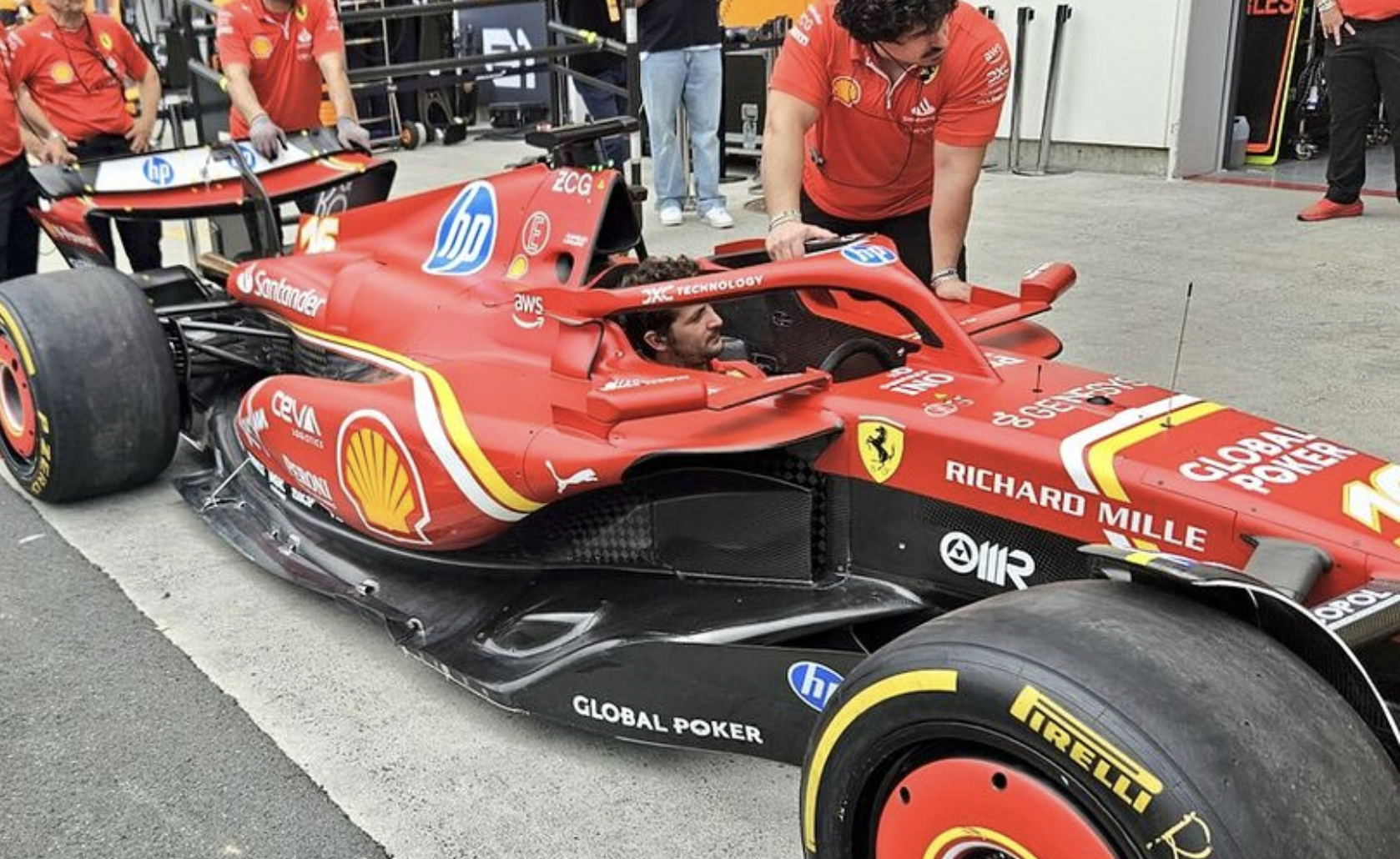
Ferrari appears to have embraced the low-downforce philosophy most aggressively. Their rear wing features a noticeably smaller mainplane with a shallower central curve compared to their rivals. This design should translate to a significant speed advantage on the straights.
Mercedes, on the other hand, takes the opposing approach with a high-downforce wing. Their design boasts a pronounced “spoon-shaped” center section that merges into a large concave outer segment. This aggressive design allows for a less steep flap, potentially offering better stability under braking.

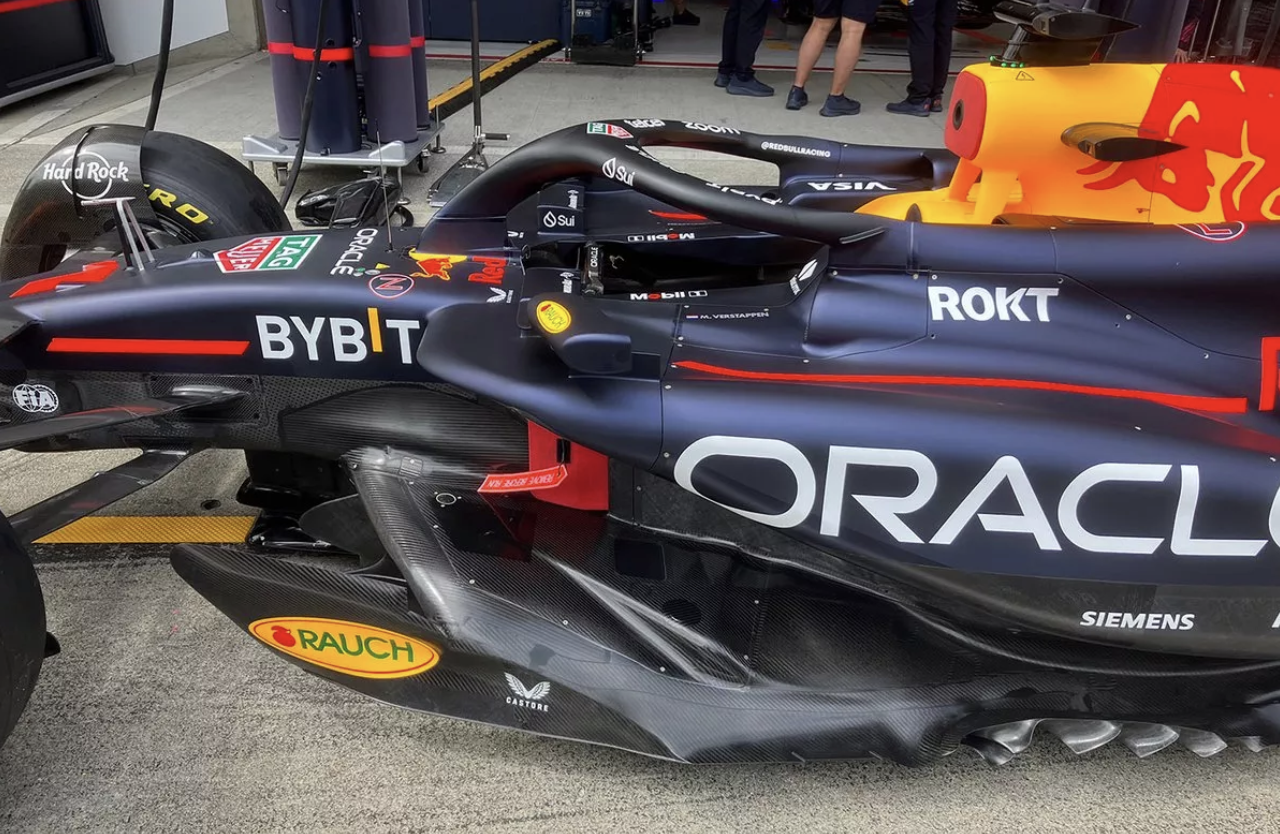
Red Bull and McLaren occupy a middle ground between these two extremes. Red Bull’s wing features a central section similar to Mercedes, but with a less pronounced curvature. This suggests a focus on maintaining some top speed while prioritizing downforce compared to Ferrari. McLaren leans closer to Ferrari’s design but with a slightly more pronounced outer concave section. Interestingly, the two teams differ in their flap configurations, with Ferrari opting for a more aggressive tip section and a Gurney flap for additional downforce.
Another point of variation lies in the V-shaped cut-out on the DRS flap. Red Bull and McLaren favor a larger cut-out, while Ferrari and Mercedes prefer a more linear flap edge. The purpose and potential aerodynamic effects of these variations remain to be seen on the track.
The Canadian Grand Prix promises a fascinating battle not just between drivers but also between the intricate engineering philosophies baked into each team’s rear wing design. As the cars take to the track, the optimal downforce configuration for Montreal will be revealed, providing valuable insights for the rest of the season.

Leave a Reply