

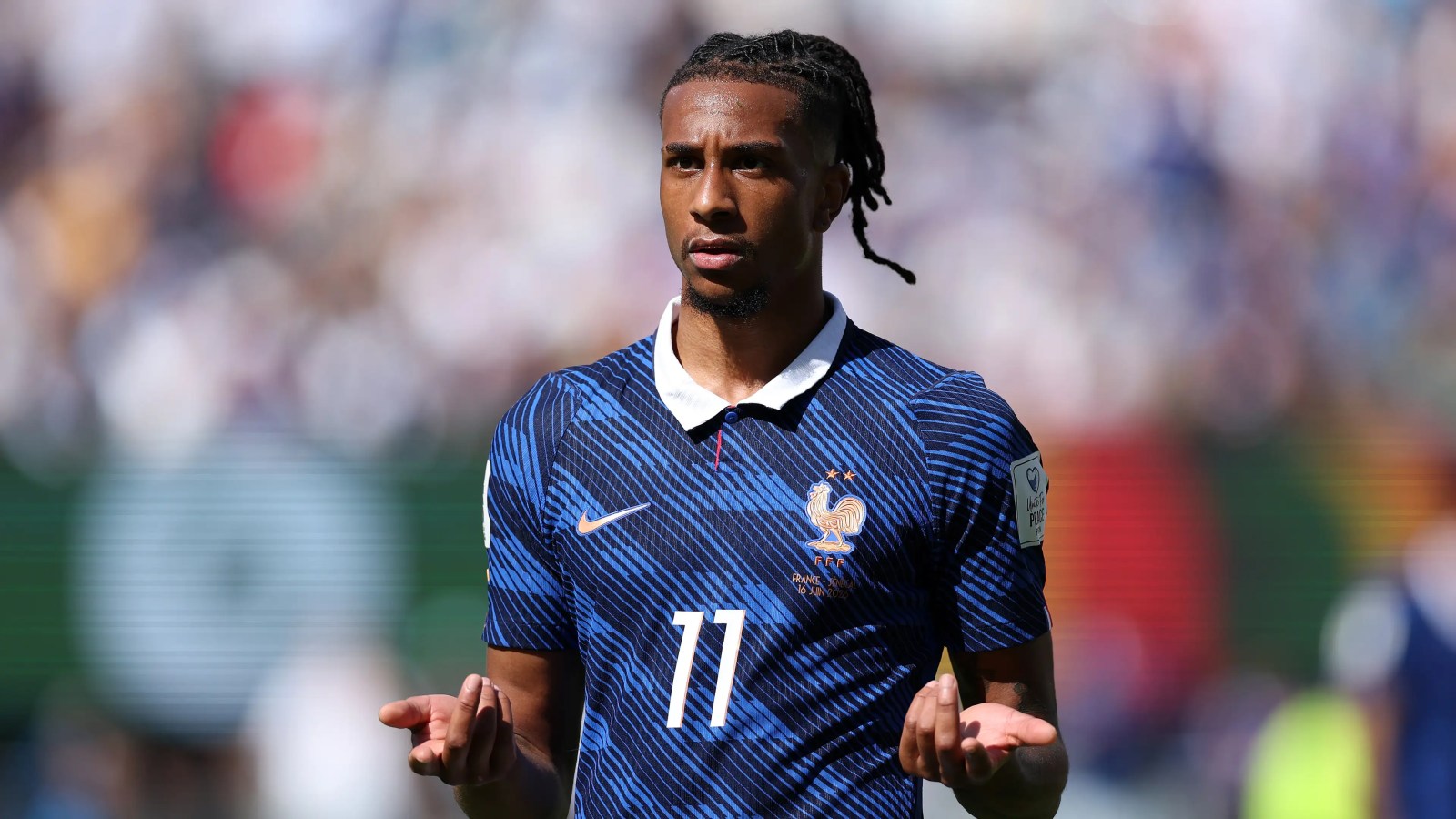
The road to the 2026 FIFA World Cup is being shaped not only on the pitch but also in the transfer market, where a cluster of high-profile and emerging talents could alter the balance of national teams before the tournament arrives. Bradley Barcola stands out among a group of nine World Cup-linked players being watched closely for possible summer moves, with Ayyoub Bouaddi, Yan Diomande and Djed Spence also featuring prominently in the discussion. John Stones, Antonee Robinson and Julian Alvarez are part of the same broader picture, underlining how established internationals and rising prospects alike may be involved in one of the most consequential windows before the competition. With no confirmed outcomes attached to the names currently in focus, the significance lies in the possibility of movement and what those decisions could mean for form, minutes and momentum heading into the next phase of World Cup preparation.
- Nine World Cup-linked players are in focus as potential movers during the summer transfer window.
- Bradley Barcola is among the standout names in the group being closely watched.
- Ayyoub Bouaddi, Yan Diomande and Djed Spence are also featured as players who could be involved in moves.
- John Stones, Antonee Robinson and Julian Alvarez are included in the wider list of names under discussion.
- No transfer outcomes are confirmed within the verified information currently available.
Why this summer matters before 2026
This summer carries unusual weight because it falls in a critical stretch before the World Cup, when players are trying to secure the right competitive environment to sharpen their games and strengthen their standing at international level. A move at this stage can change almost everything: role, rhythm, tactical education and the quality of opposition faced each week. For players already established with their national teams, the right transfer can reinforce status and preserve an edge; for younger names, it can accelerate development and push them into contention. That is why attention around this group extends beyond ordinary transfer curiosity and into the larger conversation about who will arrive at the 2026 tournament best prepared.
Barcola’s place at the centre of that conversation reflects the blend of present importance and future upside he brings. He is the kind of player whose club situation can quickly become a major World Cup storyline because attacking players often provide the clearest link between club confidence and international impact. When a forward or wide attacker enters a new team, the questions are immediate: will the system suit his strengths, will he be trusted regularly, and can he maintain the sharpness that makes him decisive in major matches? Even without a confirmed move, simply being central to transfer discussion places Barcola among the names most likely to influence how the pre-World Cup landscape develops over the coming months.
Established stars and emerging talents in the same market
The list is especially revealing because it brings together players at different career stages and under different kinds of transfer pressure. Bouaddi and Diomande represent the developmental side of the market, where a summer decision can determine whether a promising player remains on a gradual pathway or steps into a more demanding setting. For younger players, the challenge is not only talent recognition but also fit: they need minutes, coaching clarity and a role that allows growth rather than sporadic exposure. Their presence in this nine-player frame shows that the transfer market before a World Cup is not only about blockbuster names, but also about the next wave trying to arrive in time.
Spence belongs to a slightly different category, one that often becomes crucial in tournament years. Players in wide defensive or wing-back roles can see their international stock rise quickly if they find continuity and tactical trust at club level, because those positions demand both physical intensity and positional discipline. A strong move or a settled season can transform perception, especially when national-team managers are assessing who can handle transitions, recoveries and one-against-one defending under pressure. In that sense, transfer speculation around Spence is about more than a club future; it is about whether he can build the kind of consistency that carries directly into World Cup planning.
The inclusion of Stones, Robinson and Alvarez adds another layer by bringing proven international names into the same discussion. When established players become linked with possible movement, the stakes are different because the focus shifts from potential to the maintenance of elite standards. A transfer for a player already expected to influence major matches can affect leadership responsibility, tactical demands and the amount of high-level football played before the World Cup. That matters enormously in the final approach to a major tournament, where even small changes in form or role can reshape a national side’s structure, whether in defence, in transition or in the final third.
What makes this developing story particularly compelling is the absence of confirmed outcomes. That uncertainty leaves the transfer market open as a major subplot in the World Cup build-up, with each decision likely to be judged through an international lens as much as a club one. A move can be interpreted as ambition, necessity or tactical recalibration, and for national teams it can either strengthen certainty or create fresh questions. The only verified picture at this stage is that these nine players are the ones drawing attention as possible summer movers, and that alone is enough to make this a significant watchpoint in the months ahead.
As the window unfolds, the central issue will be whether these players find situations that improve their readiness for 2026 rather than merely change their surroundings. For some, that may mean a bigger stage; for others, it may simply mean stability, regular football and a clearer role. Barcola remains the headline figure in a group that blends established World Cup relevance with emerging intrigue, while Bouaddi, Diomande, Spence, Stones, Robinson and Alvarez ensure the conversation stretches across positions and experience levels. The next developments will determine whether this summer becomes a defining launchpad toward the World Cup or just another period of speculation before the real decisions arrive on the pitch.


Leave a Reply