

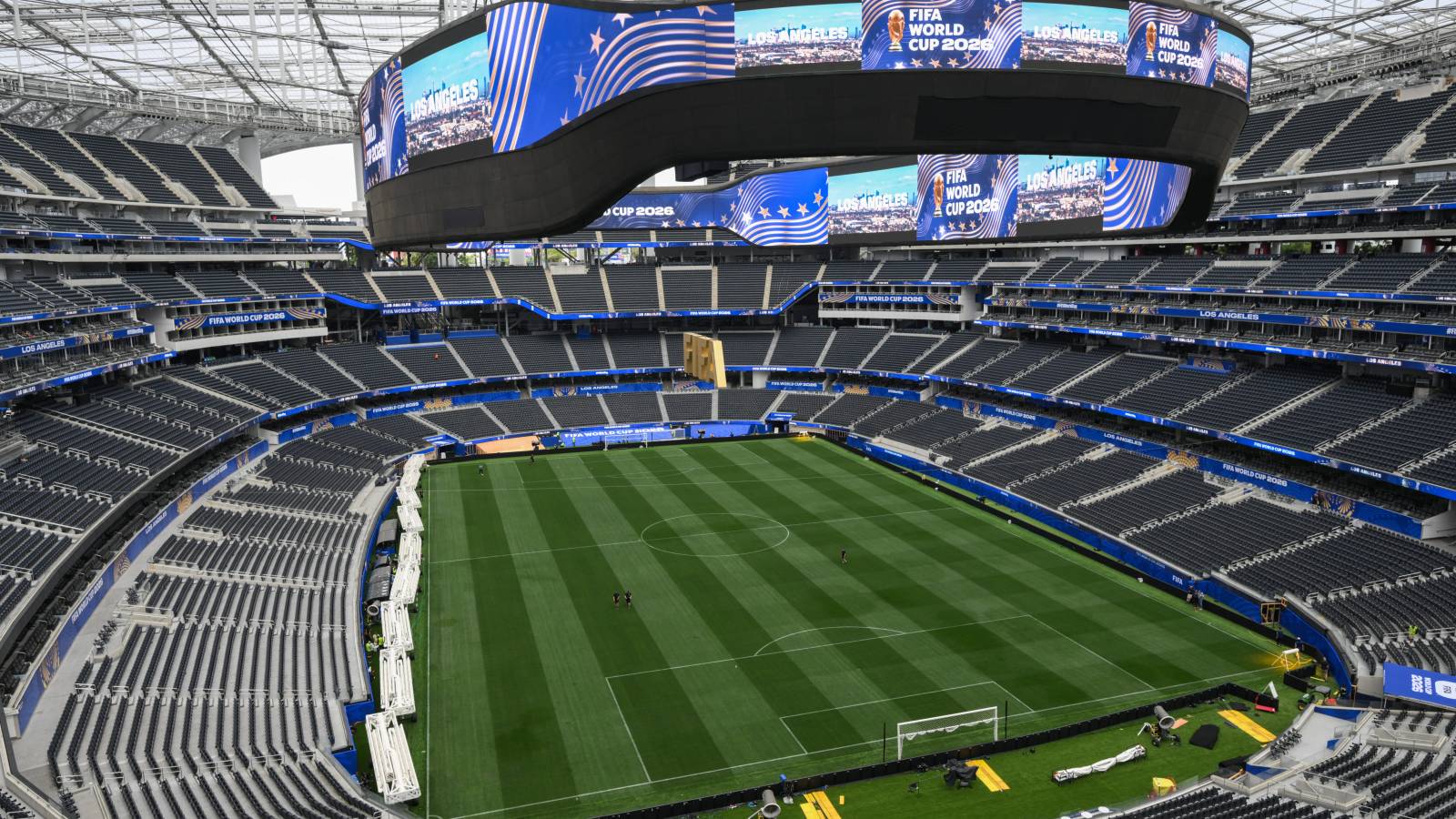
The clearest verified picture of the United States’ role in the 2026 FIFA World Cup is not rooted in debate or prediction, but in scale, structure and opportunity. With the tournament set to be co-hosted by the United States, Canada and Mexico, the most significant confirmed detail on the American side is the breadth of its hosting footprint across 11 cities. Los Angeles stands out in particular, with eight matches scheduled there, including the U.S. men’s national team’s opening match on June 12, 2026. That combination of national visibility, logistical reach and opening-night prominence underlines why the American hosting plan is already central to the tournament story.
- The 2026 FIFA World Cup will be co-hosted by the United States, Canada and Mexico.
- The United States is set to host matches in 11 cities across the tournament.
- The confirmed U.S. host venues are Atlanta, Boston, Dallas, Houston, Kansas City, Los Angeles, Miami, New York New Jersey, Philadelphia, San Francisco Bay Area and Seattle.
- Los Angeles will host eight matches during the 2026 World Cup.
- The U.S. men’s national team will play its opening match in Los Angeles on June 12, 2026.
- Claims about Jozy Altidore and Clint Dempsey discussing what comes next for the United States after the 2026 World Cup are not verified by the provided research.
What is confirmed about the U.S. role
The verified information establishes the United States as the tournament’s largest host presence, with matches spread across a broad national map. Atlanta, Boston, Dallas, Houston, Kansas City, Los Angeles, Miami, New York New Jersey, Philadelphia, San Francisco Bay Area and Seattle give the event a coast-to-coast identity within one of the three host nations. That matters because a World Cup is shaped not only by what happens on the pitch, but also by how the host framework supports travel, atmosphere and momentum over several weeks. In this case, the American contribution is defined by reach and by the concentration of marquee event planning across multiple major markets.
The most striking confirmed detail is Los Angeles’ role. Hosting eight matches gives the city a particularly prominent place in the tournament calendar, and the scheduling of the U.S. men’s national team’s opening match there on June 12, 2026 adds another layer of significance. Opening matches can set the emotional tone for a host nation’s campaign and for the wider conversation around the tournament. Even without additional competitive details, that date and venue immediately establish Los Angeles as one of the focal points of the American side of the World Cup.
Why the host-city map matters
The spread of host cities says a great deal about the scale of the event the United States is preparing to stage. From the Pacific Northwest in Seattle to the Northeast corridor through Boston, Philadelphia and New York New Jersey, and from southern hubs such as Miami and Houston to major inland centers like Dallas and Kansas City, the tournament will reach a wide range of regions. That geographical breadth can shape the World Cup experience for supporters, teams and organizers alike, because each city brings its own identity and logistical demands. It also reflects how central the United States will be to the operational success of a tournament shared with Canada and Mexico.
There is also football significance to this arrangement, even within the limited verified facts available. A host nation’s opening match is always one of the defining early moments of any World Cup, and placing that fixture in Los Angeles gives the United States a major stage from the outset. The city’s eight-match allocation suggests it will be more than a ceremonial starting point; it will be one of the tournament’s busiest and most visible venues. That continuity can help create a strong narrative thread through the competition, with one location repeatedly returning to the center of attention as the event unfolds.
Just as important is what cannot be responsibly claimed from the verified material. The provided research does not support the specific reported discussion involving Jozy Altidore and Clint Dempsey about what comes next for the United States after the 2026 World Cup. That means any attempt to build this story around their views, recommendations or long-term plans would go beyond the confirmed record. In practical terms, the most accurate way to assess what comes next for the United States at this stage is to focus on the host structure that is already established: a tri-nation tournament, an 11-city American footprint, and an opening match in Los Angeles that will place the U.S. team immediately under the spotlight.
That verified framework still offers plenty to analyze. Co-hosting with Canada and Mexico means the United States is part of a broader North American World Cup project rather than carrying the event alone, but its list of host cities shows how substantial its share of the tournament will be. The distribution of venues across major metropolitan areas points to an event designed for national reach and sustained visibility. For the U.S. men’s national team, the confirmed opening date and location provide at least one fixed point around which anticipation can build. For everyone else involved, from supporters planning travel to organizers shaping the tournament’s rhythm, the American host plan already provides a clear sense of the scale and ambition behind 2026.
What comes next, based on the verified information, is the continued build toward a World Cup in which the United States will play a leading hosting role alongside Canada and Mexico. Attention will naturally sharpen around Los Angeles as the site of the U.S. men’s national team’s opening match on June 12, 2026, while the wider network of 11 American host cities gives the tournament a truly national footprint. More details about teams, performances and longer-term implications will emerge closer to the competition itself. For now, the confirmed story is straightforward and significant: the United States is preparing to host a major share of the 2026 World Cup, and Los Angeles is set to open one of the biggest sporting events on the calendar.

Leave a Reply