

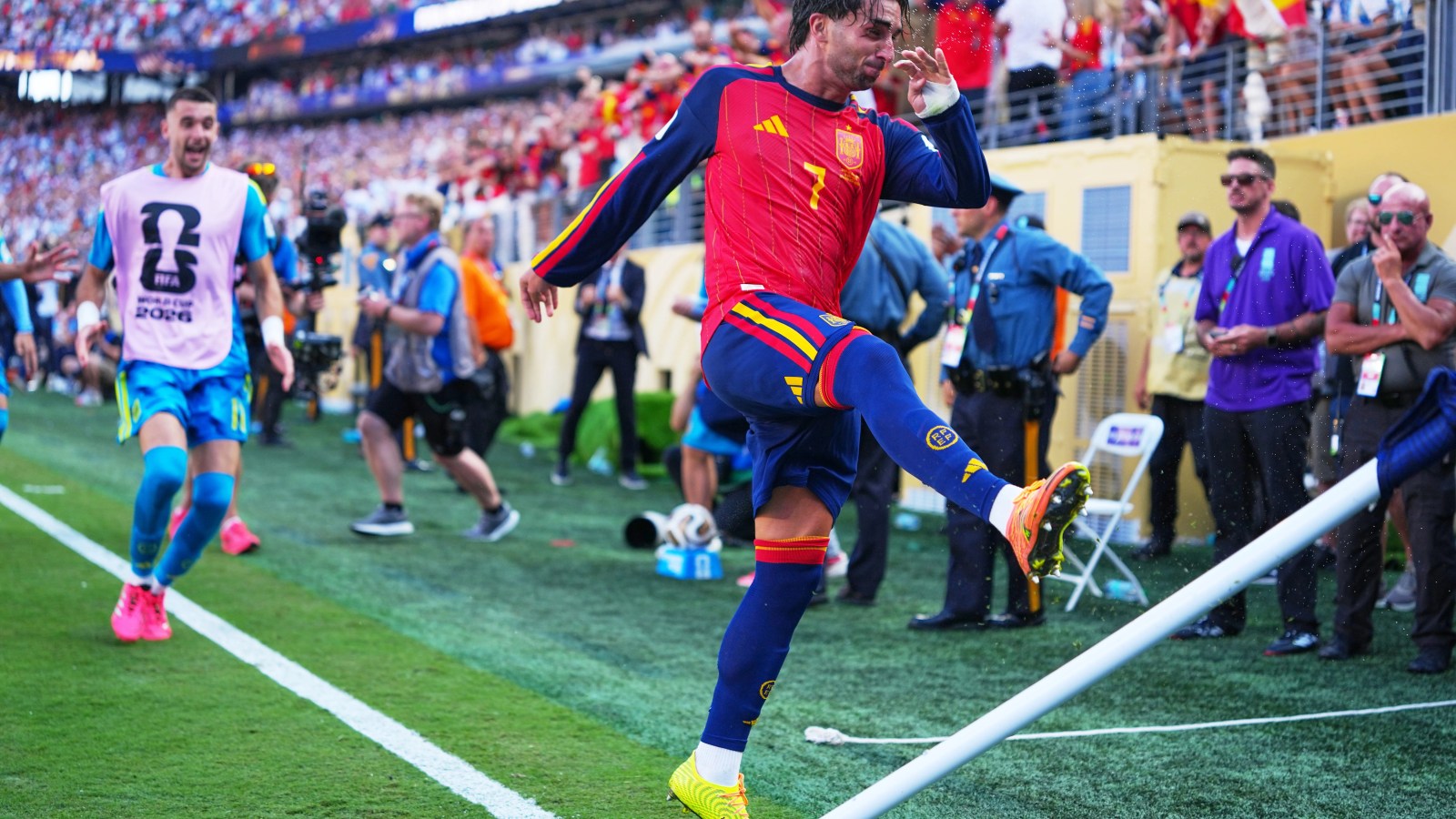
Spain’s 2026 FIFA World Cup triumph has taken on an added layer of intrigue with confirmation that Ferran Torres and Dani Olmo were among the players seen biking around New York just days before the team went on to win the final 1-0. The image of two key squad members moving through the host city in relaxed fashion now stands as a vivid snapshot of a side that balanced the pressure of football’s biggest occasion with the composure required to deliver. The victory secured Spain’s second men’s World Cup title, adding a new chapter to the legacy first established in 2010. In hindsight, the New York outing feels symbolic of a team that handled the scale of the tournament with calm and clarity before turning that mindset into the sport’s ultimate prize.
- Spain won the 2026 FIFA World Cup final 1-0 to claim the trophy.
- Ferran Torres and Dani Olmo were among the Spain players seen biking around New York shortly before the triumph.
- The New York outing took place just days before Spain became world champions.
- Spain’s 2026 success delivered the nation’s second World Cup title after the 2010 triumph.
- The team was later celebrated with a parade in Madrid following the title win.
A composed build-up before the biggest night
The fact that Ferran Torres and Dani Olmo were seen biking around New York shortly before the final offers a revealing glimpse into Spain’s state of mind at the business end of the tournament. Even without a fuller list of teammates involved or a precise date, the importance lies in the timing. This was a team operating under immense expectation, yet still able to preserve a sense of normality in the days before the final. Tournament football often turns as much on emotional control as on technical execution, and Spain’s ability to appear settled before the showpiece now reads as part of the broader story of their success. Rather than looking consumed by the occasion, they appeared comfortable in their surroundings and ready for the challenge ahead.
That calm matters because World Cup finals are rarely won by flair alone. They demand concentration, discipline and the ability to manage tension through every phase of the match, especially when the margin is as fine as a 1-0 scoreline. Spain’s victory points to a group prepared to live with pressure rather than be overwhelmed by it, and the scenes in New York fit naturally into that interpretation. Ferran Torres and Dani Olmo, both prominent attacking players, being spotted in such an ordinary setting also underlines how grounded the squad appeared in the final stretch of the competition. It is often in those smaller details around a winning campaign that the mentality of champions becomes easier to understand.
What the 1-0 win says about Spain’s title run
A 1-0 result in a World Cup final almost always suggests a match shaped by control, precision and the ability to protect a narrow advantage. While the confirmed details do not extend to the scorer, the flow of the game or the decisive moment itself, the scoreline still tells a meaningful story about how Spain got the job done. Winning by a single goal on the biggest stage requires a side to remain switched on throughout, avoid costly errors and show conviction when the pressure rises late on. Spain did exactly that, demonstrating that championship football is often built as much on resilience as on spectacle.
The significance of this title is heightened by history. Spain’s first World Cup triumph in 2010 established a benchmark generation and delivered one of the defining achievements in the nation’s football story. By winning again in 2026, Spain moved beyond the idea of a single golden era and instead reinforced its place among the countries capable of returning to the summit. A second title changes the conversation around any footballing power because it proves success can be renewed, not merely remembered. This latest triumph therefore carries weight not only for the current squad, but also for the broader identity of Spanish football on the world stage.
The Madrid parade that followed provided the public expression of that achievement, transforming a hard-fought final victory into a national celebration. Parades are more than ceremonial moments after a World Cup; they are where the scale of the accomplishment becomes fully visible. The team’s journey from quiet preparation in New York to a victorious homecoming in Madrid captures the emotional range of a successful campaign, from private focus to public acclaim. For supporters, that path from anticipation to celebration is what gives a World Cup its lasting place in memory. For the players, it marks the transition from competitors under pressure to champions welcomed into sporting history.
There is also a compelling contrast between the understated nature of the pre-final bike outing and the enormity of what followed. One moment showed Ferran Torres and Dani Olmo in a city setting, days away from the defining match of their careers; the next placed Spain back at the top of world football. That contrast is part of what makes tournament victories resonate so strongly: the ordinary routines that sit alongside extraordinary outcomes. In Spain’s case, the available details point to a squad capable of carrying itself with balance before delivering under the heaviest scrutiny. The final scoreline, the title count and the celebrations in Madrid all confirm the achievement, but the New York glimpse adds texture to how this triumph was experienced from within.
Spain now has a 2026 World Cup victory that will be remembered not only for the result, but also for what it suggests about the team’s temperament. The confirmed details are limited, yet they are enough to sketch the outline of a champion side that stayed composed, won the final 1-0 and returned home to celebrate a second world title with its supporters. Ferran Torres and Dani Olmo have become central figures in that pre-final image, representing the calm before the defining storm of the tournament. As the celebrations settle and the achievement takes its place alongside 2010, Spain’s latest triumph stands as a reminder that the road to football’s biggest prize can be shaped as much by poise as by drama. What comes next is the longer task of sustaining that standard, but for now Spain’s place at the summit of the world game is secure.


Leave a Reply