

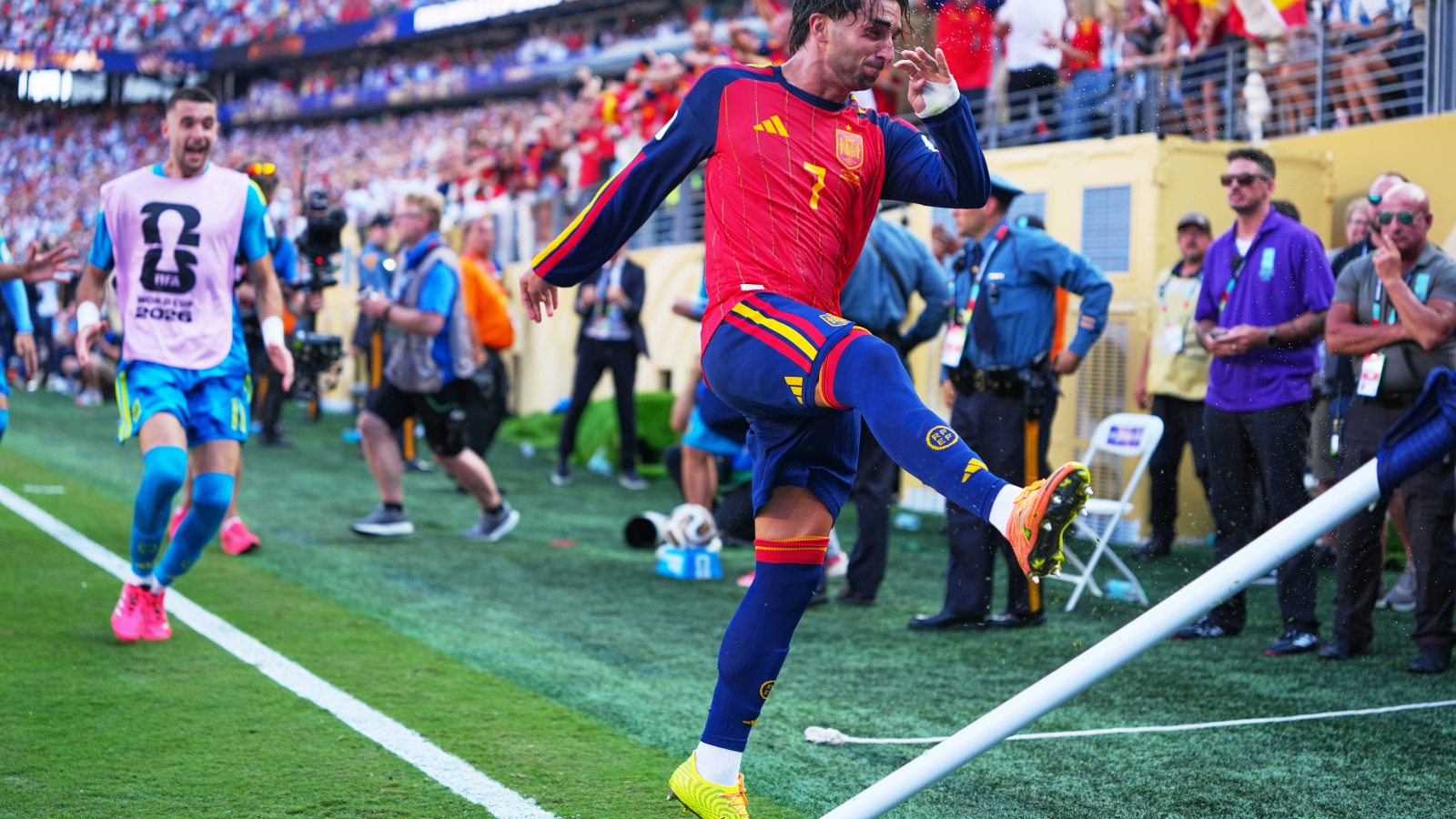
Spain are world champions again after beating Argentina 1-0 in the 2026 FIFA World Cup final, with Ferran Torres scoring the extra-time winner that settled the biggest match in international football. The victory gives Spain a second World Cup title and places this squad in the nation’s sporting history alongside its previous global triumph. It was a final decided by the finest of margins, the kind of contest in which patience, control and nerve mattered every bit as much as attacking quality. With captain Rodri leading the side, Spain found the decisive breakthrough when the pressure was at its highest and turned a tense showdown into a title-winning night.
- Spain beat Argentina 1-0 in the 2026 FIFA World Cup final.
- Ferran Torres scored the winning goal in extra time.
- The victory crowned Spain as 2026 world champions.
- Spain secured the World Cup title for the second time.
- Rodri captained Spain in their successful campaign.
How Spain claimed the biggest prize
World Cup finals are rarely shaped by freedom and flourish alone, and this one followed that familiar pattern. The key facts tell the story of a match that remained unresolved through normal time before Spain finally broke through in extra time, underlining just how closely matched the two finalists were. Winning a contest of that nature requires far more than technical quality. It demands composure, discipline and the ability to keep believing when chances are scarce and the stakes continue to rise. Spain’s reward for doing exactly that was the one goal that mattered, and Ferran Torres became the player forever attached to the defining moment of the tournament.
The significance of an extra-time winner in a World Cup final cannot be overstated. It points to a game played on a knife edge, where every mistake threatened to become decisive and every attacking move carried enormous emotional weight. For Spain, the breakthrough was not simply a goal but the culmination of resilience over the longest and most mentally draining evening a national team can face. For Argentina, it brought the heartbreak that comes when a final is decided late, after so much resistance had kept the contest alive deep into the night.
Rodri’s role as captain adds another layer to Spain’s success because tournament-winning teams so often reflect the temperament of their leaders. Without stretching beyond the verified record, the fact that he captained Spain to the title speaks to a side built on authority and calm under pressure. In a final that needed extra time to separate the teams, those qualities become essential, especially in midfield areas where rhythm, positioning and decision-making shape the entire match. Spain’s ability to remain in control of themselves long enough to seize the winning moment is part of what makes this triumph feel so substantial.
There is also something especially telling about the way the final was won. A 1-0 scoreline after extra time suggests a match in which concentration and patience were tested relentlessly, with neither side able to create clear separation over 90 minutes. Spain’s eventual breakthrough therefore carried even greater significance, because it came only after the contest had demanded the full range of qualities associated with championship teams. They had to stay organised, absorb the tension and trust that one opening would eventually arrive. When it did, they took it, and that is often the difference between finalists and champions.
What the title means for Spain and Argentina
A second World Cup changes the way an era is remembered. Spain are no longer defined by a single golden chapter at the summit of the global game; they now have another world title to reinforce their place among football’s most successful national teams. That matters because World Cups remain the ultimate measure of international achievement, and winning one in the modern era demands depth, consistency and the capacity to handle every kind of challenge. By beating Argentina in the final, Spain did not merely lift a trophy; they confirmed that they could navigate the sport’s hardest path and finish above every rival on the grandest stage.
For the players in this squad, the achievement is both personal and generational. A World Cup winner’s medal places them in a category that very few footballers ever reach, while the final itself ensures that certain names will be permanently tied to the story of 2026. Ferran Torres has that connection through the winning goal, the most decisive contribution possible in a final of this scale. Rodri has it through the captaincy, as the player officially entrusted to lead Spain through the tournament and into history.
Argentina’s presence in the final also sharpens the meaning of Spain’s victory. To beat Argentina in a World Cup final is to overcome one of the most demanding opponents international football can offer, a side with the quality and competitive edge to push a title match into extra time. Even without further match detail, the scoreline alone tells the story of a narrow, fiercely contested encounter in which almost nothing separated the teams. Spain’s ability to emerge from that kind of battle with the trophy underlines the maturity of the champions and the value of taking the one decisive chance when it arrived.
There is a broader football significance, too, in a 1-0 extra-time final. Scorelines like that are usually remembered not for chaos but for concentration, tactical discipline and the refusal to give away a decisive error. Spain’s triumph therefore carries the feel of a team that could absorb pressure, manage tension and still produce the clearest moment of the match when legs were tiring and minds were under strain. That combination of endurance and execution is often what separates champions from those who fall just short, and in 2026 it was enough to deliver the sport’s greatest prize.
Looking ahead, Spain return home as world champions with a new benchmark attached to this group for every tournament that follows. Their 2026 success will shape expectations from this point onward, because once a national team has won the World Cup, every next step is judged against that standard. Ferran Torres will be remembered for the extra-time strike that settled the final, while Rodri’s captaincy will remain central to the story of Spain’s title run. Above all, Spain leave the tournament with the only outcome that matters: they beat Argentina in the final, won 1-0 after extra time, and secured the second World Cup crown in their history.



Leave a Reply