

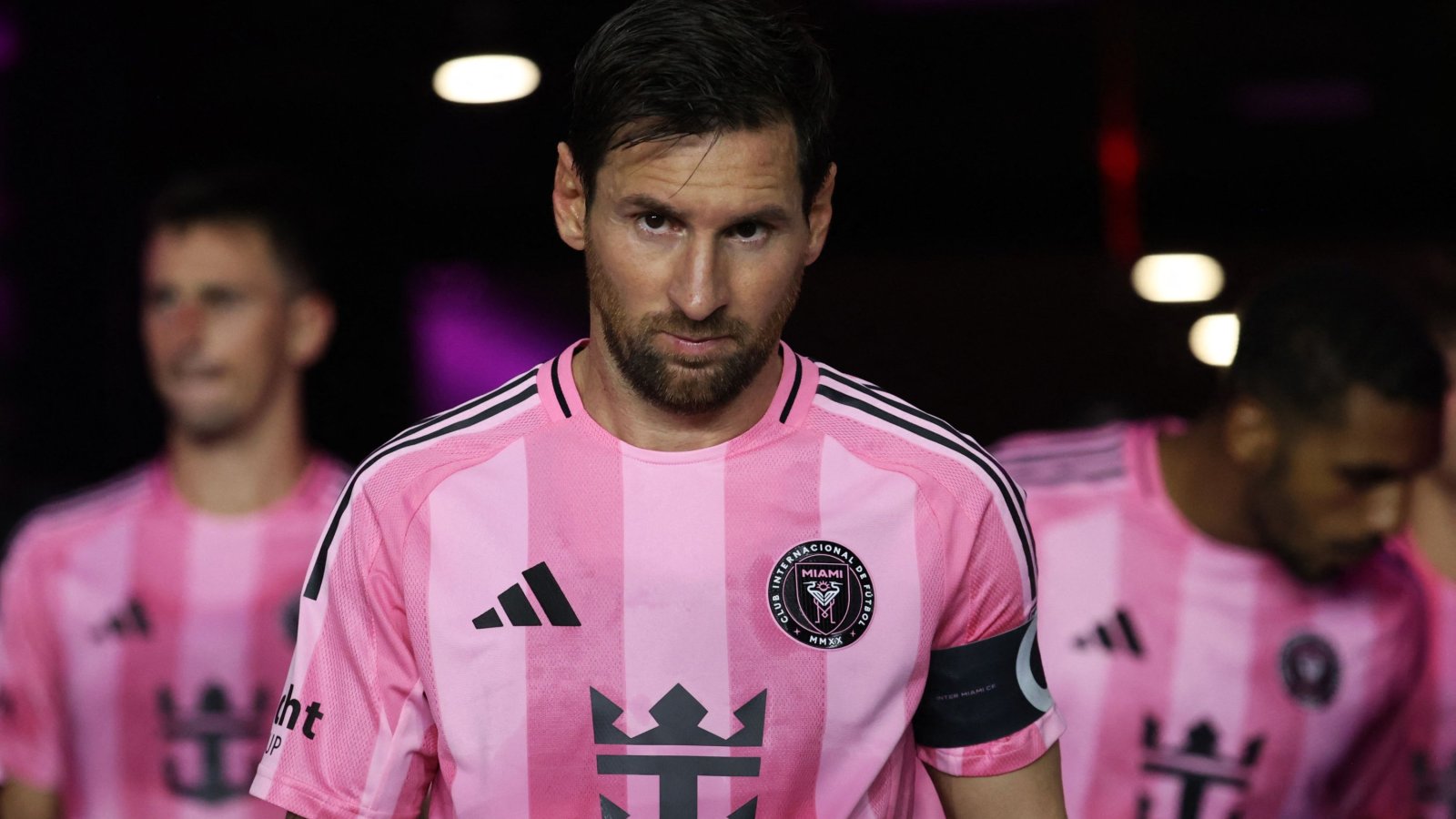
Lionel Messi has taken a significant step toward his return with Inter Miami after the 2026 World Cup, earning a place in the club’s matchday squad for the Major League Soccer meeting with the Columbus Crew at Nu Stadium in Miami. The key development was his inclusion on the substitutes’ bench, a clear sign that his reintegration is progressing after Argentina’s extra-time defeat to Spain in the World Cup final. While his presence in the squad does not confirm that he played any part in the match, it marks an important moment for both player and club as Inter Miami begin to welcome back their biggest star. After the demands of an extended international campaign, the decision to bring Messi back into the matchday environment underlines that his recovery and readiness have advanced enough for him to be available again.
- Messi returned to Inter Miami’s matchday squad for the MLS game against the Columbus Crew at Nu Stadium in Miami.
- He was named on the substitutes’ bench following Argentina’s extra-time loss to Spain in the 2026 World Cup final.
- Messi had already resumed Inter Miami training earlier in the week, 10 days after the final.
- Inter Miami coach Guillermo Hoyos had said no date had been set for Messi’s return and that discussions would take place over his comeback.
- The available live match information confirms Messi was back with the team and available off the bench, but does not confirm that he entered the match.
A Carefully Managed Return
Messi’s inclusion in the squad is notable not only because of his status, but also because of the timing. Just 10 days earlier, he had been involved in one of the biggest matches in world football, playing through Argentina’s run to the World Cup final before the team lost to Spain after extra time. That kind of tournament journey places a major physical and emotional burden on any player, especially one expected to carry creative responsibility at both international and club level. Inter Miami’s approach appears to reflect that reality, first bringing him back into training and then restoring him to the bench rather than rushing him straight into a confirmed on-field role.
That sequence matters because it suggests the club are balancing competitive urgency with longer-term planning. Guillermo Hoyos had made it clear earlier in the week that there was no fixed date for Messi’s return to action and that conversations would be needed before any final decision. His selection among the substitutes indicates those discussions progressed far enough for Messi to be considered available, but not necessarily far enough to guarantee minutes. In practical terms, that gives Inter Miami flexibility: they can reintroduce him when conditions are right while also showing that he is once again part of the active group on matchday.
It is also a reminder that returning from a major international tournament is rarely a simple matter of fitness alone. Players coming off a run to a World Cup final must absorb not only the physical toll of multiple high-intensity matches, but also the emotional drain that follows such a high-stakes campaign. For Messi, that process has come after the disappointment of Argentina’s extra-time defeat to Spain. By easing him back through training and then naming him on the bench, Inter Miami appear to be taking a measured route that respects both the scale of the tournament he has just completed and the demands still to come in MLS.
What It Means for Inter Miami
For Inter Miami, Messi’s return to the squad carries significance beyond the immediate question of whether he stepped onto the pitch. His availability alone changes the dynamic around a game, the options open to the coaching staff, and the attention surrounding the team. Even from the bench, he becomes a tactical possibility that opponents must account for and that teammates can draw confidence from. A player of his influence alters the emotional temperature of a matchday, and his presence signals that Inter Miami are moving closer to having their central figure back in a competitive setting.
There is also an important squad-management dimension to this development. Clubs often face a delicate challenge when reintegrating players after major international tournaments, particularly when those players have gone all the way to the final and therefore had little time to reset. Returning too quickly can create unnecessary risk, while waiting too long can disrupt the team’s rhythm and momentum. By first restoring Messi to training and then naming him on the bench, Inter Miami appear to be following a measured path that protects the player while still advancing his comeback in a meaningful way.
From a football perspective, the uncertainty over whether Messi actually entered the match is revealing in itself. It highlights the distinction between being fit enough to be involved and being ready for a full competitive return. Matchday inclusion can serve several purposes: reconnecting a player with the routine of competition, testing his readiness within a live environment, and giving coaches the option to use him if the game state demands it. Without confirmed evidence of minutes played, the most important verified conclusion is that Inter Miami judged Messi ready to be available, which is a substantial development after Hoyos’ earlier caution.
The broader significance of this moment also extends beyond one fixture against Columbus. Messi’s World Cup ended in disappointment with Argentina’s extra-time loss to Spain, and returning to club football often requires a mental adjustment as much as a physical one. Rejoining training and then the squad offers a structured route back into daily competition, helping shift focus from the intensity of the international stage to the week-to-week demands of MLS. For Inter Miami, that transition is crucial, because the team’s ambitions are closely tied to how quickly and how smoothly Messi can resume a consistent role.
There is a natural temptation whenever Messi reappears on a team sheet to look immediately for decisive action, but this stage of the story is more about process than instant impact. The verified facts show a player who has moved from post-World Cup recovery to training, and from training to the bench, within a relatively short period. That progression suggests momentum, even if it stops short of confirming a full return on the field. For supporters and for the club, it represents a meaningful checkpoint: Messi is back in the matchday picture, and the final steps of his comeback now appear to be drawing closer.
What comes next will centre on how Inter Miami and Hoyos manage the next phase of that return. With Messi now back in training and included in a matchday squad, attention will turn to when he is next used in competition and how quickly his workload increases. The club have already shown a willingness to proceed carefully, and that caution is likely to remain important after such a demanding World Cup run. Even without confirmation of minutes against Columbus, Inter Miami have received an encouraging boost: Messi is back with the team, back on the bench, and edging closer to full involvement once again.


Leave a Reply