
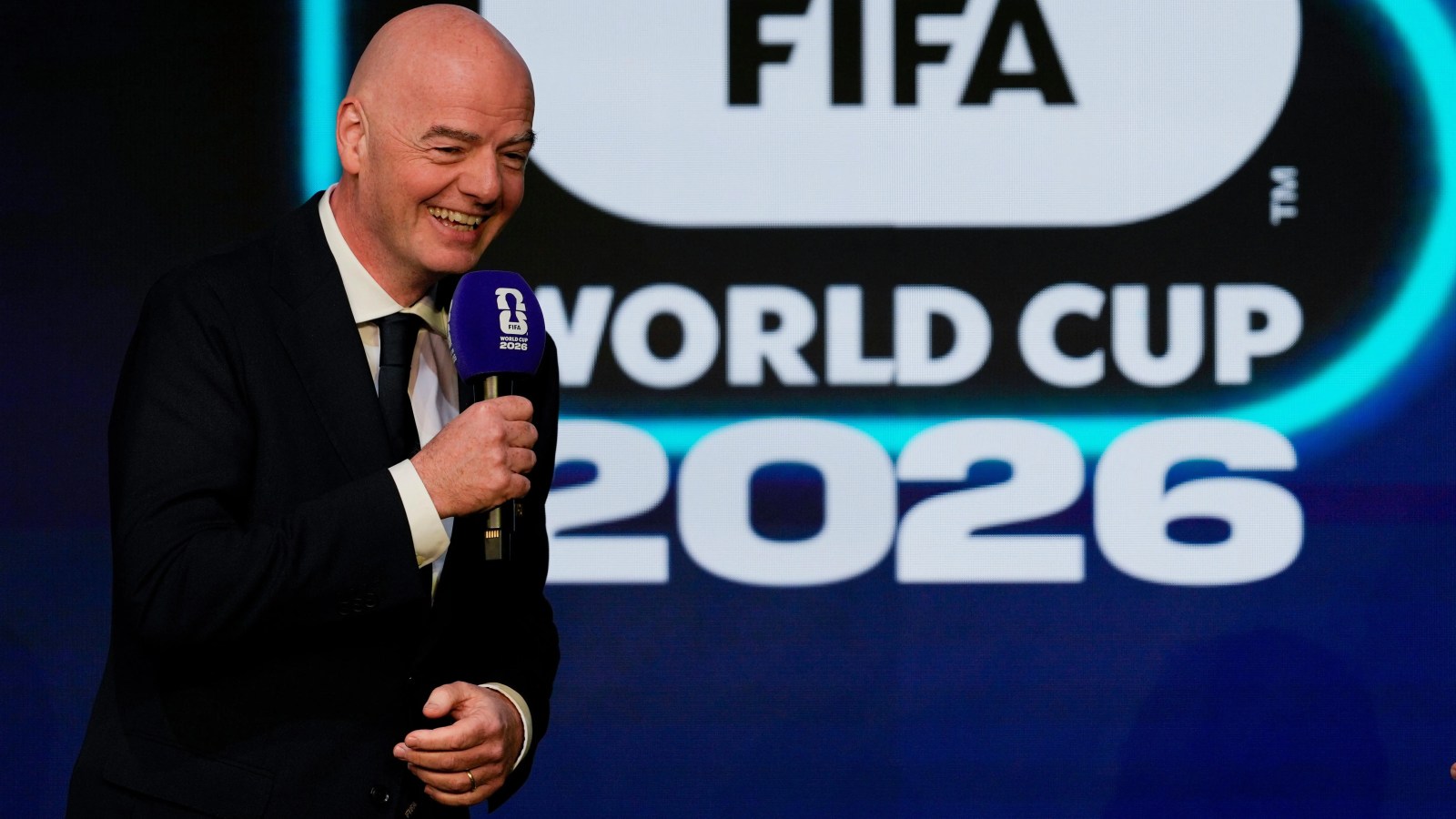
Gianni Infantino is facing intensifying backlash as FIFA reviews a possible expansion of the 2030 World Cup to 64 teams, a debate that has sharpened scrutiny of the governing body’s broader planning and commercial direction ahead of the 2026 tournament. The pressure matters because it extends beyond a single format question and into the wider credibility of FIFA’s leadership at a time when the men’s game is entering a new era of scale, scheduling strain and financial ambition. Infantino has also recently lashed out at critics of the 2026 World Cup, accusing them of being “consumed by hate,” a response that has further raised tensions around the organization’s decision-making. While criticism of his leadership is clearly growing, the verified information available does not establish any formal challenge to his presidency or any confirmed institutional move against him.
- FIFA is reviewing a possible expansion of the 2030 World Cup to 64 teams, a proposal that has triggered significant backlash.
- FIFA is aiming for a decision on the issue by Aug. 14.
- Criticism of Gianni Infantino has intensified around FIFA’s World Cup planning and its broader commercial strategy.
- Infantino recently attacked critics of the 2026 World Cup, accusing them of being “consumed by hate.”
- FIFA has also unveiled a $20 billion sell-off plan, adding to debate over the organization’s direction.
Why the 64-team debate has become so significant
The prospect of a 64-team World Cup in 2030 has become a flashpoint because it touches on every major issue surrounding the modern tournament: sporting integrity, calendar pressure, travel demands and the balance between growth and overload. Expanding the field again would mark another major shift in the competition’s identity, coming at a time when the men’s World Cup is already preparing for a larger format in 2026. That means the discussion is not taking place in isolation. Instead, it is unfolding against a backdrop of concern over how far the tournament can be stretched before the sporting product, player welfare and competitive clarity are all pulled in conflicting directions.
The timing of the review is especially notable. FIFA is not merely floating a distant concept; it is working toward a decision by Aug. 14, giving the debate immediate weight and making the current backlash more consequential. A deadline creates pressure on all sides because it compresses the window for consultation, persuasion and resistance. It also ensures that criticism of leadership is being measured not in abstract terms but against a live policy process with a clear endpoint. That is one reason the conversation around Infantino has become sharper, even if the verified facts stop short of showing any formal effort to unseat him.
Leadership scrutiny and the commercial backdrop
Infantino’s recent response to criticism of the 2026 World Cup has added another layer to the story. By accusing critics of being “consumed by hate,” he chose confrontation over conciliation, a stance that may energize supporters but also risks deepening opposition among those already uneasy about FIFA’s direction. In moments of institutional strain, tone matters almost as much as policy. A combative response can make leadership appear resolute, but it can also reinforce the perception that legitimate concerns are being dismissed rather than answered. That dynamic helps explain why the backlash is no longer confined to the technical merits of tournament expansion and has broadened into a wider judgment on governance.
The commercial context is equally important. FIFA’s unveiling of a $20 billion sell-off plan has intensified debate because it places the 64-team discussion within a much larger picture of monetization and strategic control. Even without additional detail beyond the existence of the plan, its scale is enough to ensure that every major sporting proposal will be viewed through a financial lens. Critics can point to expansion and commercialization as part of the same trajectory, while supporters may argue that global growth requires bold structural and business decisions. Either way, the overlap between tournament planning and commercial strategy has become impossible to ignore, and that overlap is central to the pressure now building around the president.
What remains important, however, is separating verified fact from commentary. The claim that Infantino’s role is “becoming untenable” reflects a forceful critical interpretation rather than a confirmed institutional verdict. There is no verified indication here of a formal challenge, no confirmed leadership contest and no established decision that his presidency is in immediate jeopardy. That distinction matters because the current story is about mounting political and reputational pressure, not a completed shift in FIFA’s power structure. The backlash is real, the scrutiny is growing and the rhetoric is escalating, but the available facts still describe a climate of criticism rather than a formal crisis in office.
For the 2026 World Cup, this matters because the tournament sits at the center of FIFA’s current credibility test. Infantino’s attack on critics shows how strongly the organization is defending its flagship event, yet the very need for such a defense also suggests how contentious World Cup planning has become. Questions over scale, governance and commercial priorities now feed directly into how FIFA’s stewardship of 2026 is judged. If the governing body cannot persuade doubters that its decisions are rooted in sporting logic as well as business ambition, then every future proposal will face a more skeptical audience. In that sense, the 2030 expansion review is not only about a future format but also about whether FIFA can carry authority into the next cycle without the noise around its leadership growing louder.
The next phase is clear: attention now turns to FIFA’s expected decision by Aug. 14 and to whether the organization can steady the debate around both tournament expansion and its broader strategic agenda. Infantino remains under pressure, but the verified picture is one of intensifying criticism rather than a formal move against him. What happens in the coming weeks will shape not only the 2030 conversation but also the atmosphere surrounding the 2026 World Cup. A decisive outcome may settle the immediate question of format, yet the broader test for FIFA will be whether it can emerge with greater trust rather than deeper division.


Leave a Reply