

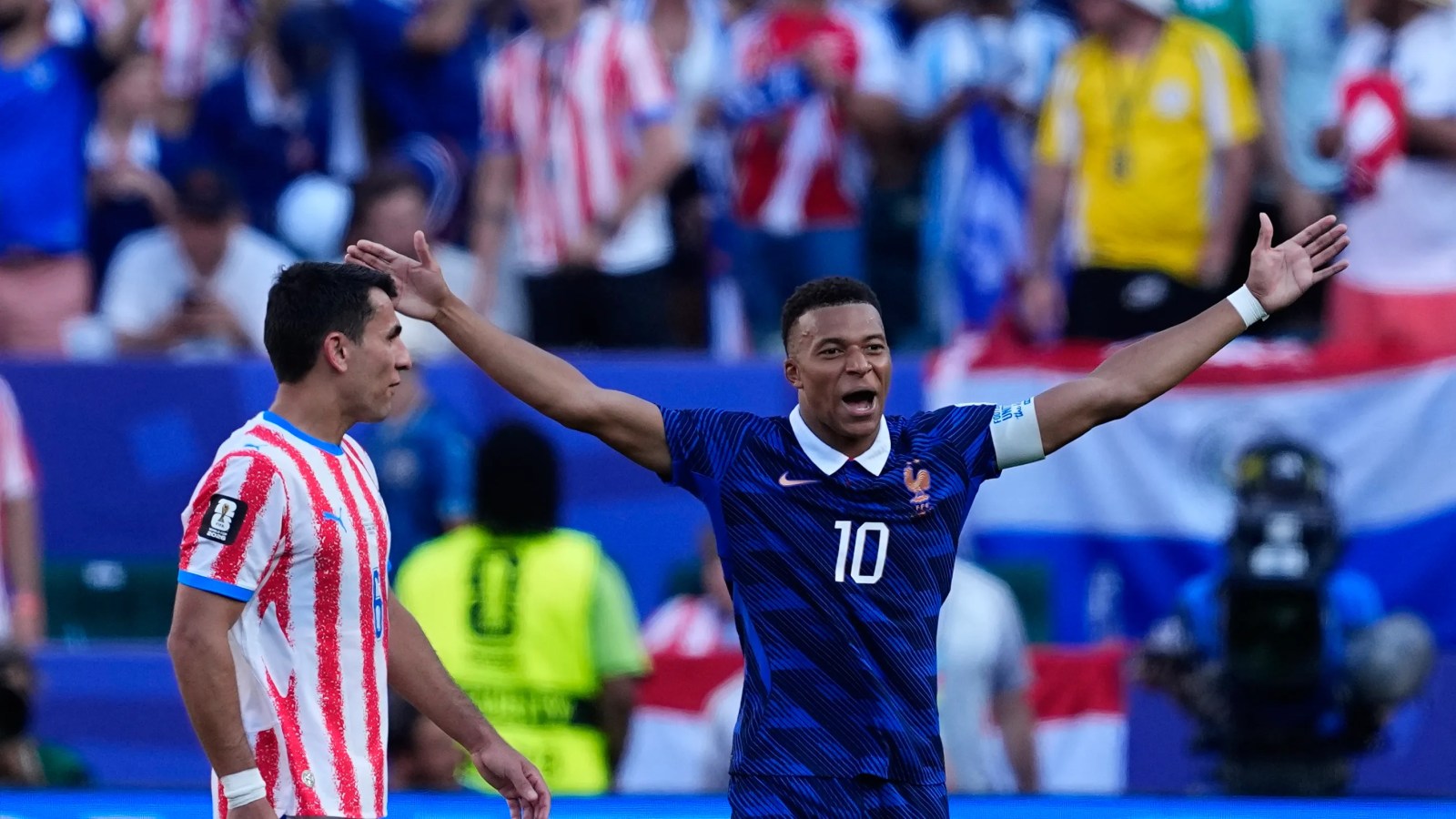
The 2026 FIFA World Cup has reached the quarter-final stage, reducing the expanded 48-team field to eight and bringing the tournament’s true contenders into sharper focus. France, Morocco, Spain, Belgium, Norway, England, Argentina and Switzerland are the confirmed quarter-finalists, a line-up that now defines the competition’s decisive phase. The standout development is the confirmed quarter-final meeting between France and Morocco, scheduled for July 9 at Boston Stadium, a fixture that immediately gives the knockout bracket one of its most compelling ties. With the last eight now set, every remaining match carries greater weight as the tournament shifts from broad possibility to direct elimination among a tightly packed group of challengers.
- The 2026 FIFA World Cup quarter-finals are underway after the field was reduced from 48 teams to eight.
- The confirmed quarter-finalists are France, Morocco, Spain, Belgium, Norway, England, Argentina and Switzerland.
- France will face Morocco in a quarter-final at Boston Stadium on July 9, 2026.
- Another quarter-final is scheduled for July 10, 2026, at Los Angeles Stadium.
- The tournament is being played under the confirmed expanded 48-team format.
Final Eight Brings the Tournament Into Sharp Focus
Reaching the quarter-finals in a 48-team World Cup is a significant achievement in itself, because the expanded format demands both endurance and adaptability. A larger field creates more routes into the knockout rounds, but it also increases the number of variables teams must navigate before establishing themselves as genuine contenders. That is what makes the confirmed final eight so significant: it marks the point at which the tournament stops being about surviving the breadth of the competition and becomes a direct contest between teams that have already shown they can handle its scale. France, Morocco, Spain, Belgium, Norway, England, Argentina and Switzerland have separated themselves from the rest, and that alone gives the quarter-final stage a clear sense of authority.
There is also a notable balance among the teams still standing. Some of the tournament’s most established names remain alive, but they are joined by sides whose presence adds intrigue and competitive tension to the bracket. That blend matters because quarter-finals often hinge on more than reputation; they test composure, tactical clarity and the ability to manage moments that can define an entire campaign. With eight teams left, the margins become thinner and every scheduled detail takes on greater significance, from venue to recovery time to the emotional lift of simply having reached this point.
The confirmed quarter-finalists also offer a useful snapshot of where the tournament stands competitively. France, Spain, Belgium, England and Argentina bring obvious pedigree into the final eight, while Morocco, Norway and Switzerland add variety and unpredictability to the bracket. That mix is healthy for the competition because it prevents the quarter-finals from becoming a procession led only by familiar powers. Instead, the remaining field suggests a tournament in which established contenders still have to earn every step, and in which less heralded sides have already shown enough quality to make the path to the semi-finals anything but straightforward.
Just as importantly, the quarter-final stage clarifies what the expanded 48-team format ultimately produces when the field tightens. Early rounds in a larger tournament can feel sprawling, with multiple narratives unfolding at once, but the last eight condense all of that into a manageable and intense final act. Every surviving team now sits within touching distance of the semi-finals, yet there is still no certainty about the eventual champion. That distinction matters, because at this stage the World Cup is defined less by prediction than by possibility. The field has been narrowed dramatically, but it has not been simplified.
France and Morocco Headline the Immediate Story
The clearest fixture now in view is France against Morocco at Boston Stadium on July 9, and it naturally becomes the focal point of the opening quarter-final day. Even without further match specifics, the pairing stands out because it places two confirmed last-eight teams into a direct elimination contest at a stage where one strong performance can transform a campaign into a serious title push. For France, the challenge is to justify its status as one of the tournament’s enduring powers by turning a quarter-final place into something more substantial. For Morocco, the opportunity is equally significant, because a place in the final eight already signals staying power, and another win would push that run into even more historic territory.
Quarter-final football tends to reward discipline as much as flair, and that is why the France-Morocco match carries such obvious tension before a ball is kicked. Teams at this stage are no longer judged only by how they advance, but by whether they can control the pressure that comes with knowing one mistake can end a tournament. The Boston setting adds to that sense of occasion, placing one of the competition’s marquee ties in a major venue at the exact moment when the World Cup narrows into its most unforgiving rounds. It is a match that matters not just because of who is involved, but because it will help define the shape of the semi-final picture almost immediately.
Beyond that headline fixture, the scheduling of another quarter-final at Los Angeles Stadium on July 10 underlines the spread and scale of this phase of the tournament. The World Cup’s expanded format was always designed to create a broader event across more teams and more venues, and the quarter-finals now show how that structure funnels into a concentrated, high-stakes finish. By the time play reaches Los Angeles, the tournament will already have absorbed the result from Boston, meaning the emotional and competitive temperature will continue to rise from one day to the next. That kind of sequencing is part of what makes the quarter-finals such a compelling stage: each result changes the atmosphere for the teams still waiting to play.
What comes next is a sequence of elimination matches that will determine which of these eight teams can turn quarter-final qualification into a genuine run at the biggest prize in the game. France and Morocco are first in the spotlight at Boston Stadium on July 9, followed by another quarter-final at Los Angeles Stadium on July 10 as the bracket continues to unfold. Spain, Belgium, Norway, England, Argentina and Switzerland remain part of the final-eight picture, each still carrying hopes of extending its campaign. The World Cup has now entered the stage where every result redraws the tournament, and the next few days will decide which four teams keep moving forward.



Leave a Reply