


After a lifetime dedicated to football, Howard Wilkinson is set to retire this summer at the age of 80. Leaving behind an indelible mark as one of English football’s most significant yet often overlooked figures.
From leading Leeds United to their last Football League Championship title in 1992 to spearheading the development of St George’s Park, his impact has been profound and far-reaching.
Wilkinson’s managerial career spanned decades, and he holds the distinction of being the last English manager to win the league title. Under his guidance, Leeds United achieved glory in 1992. A feat that stands out amidst the changing landscape of football. Where financial prowess often overshadows on-field success. Moreover, Wilkinson briefly took the reins as England manager on an interim basis, showcasing his versatility and depth of experience.
For over three decades, Wilkinson served as the chairman of the League Managers’ Association. Providing support and solidarity to coaches navigating the turbulent waters of football management.

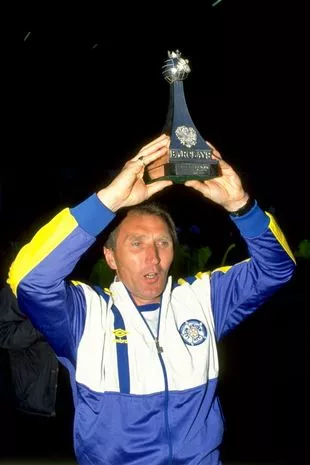
He played a pivotal role in establishing camaraderie among coaches and offering solace to those affected by the relentless cycle of managerial turn over.
As he prepares to receive an OBE next month, Wilkinson reflects on the evolution of the game he loves. He acknowledges the profound changes, from advancements in technology like VAR to the transformation of playing styles and tactics.
Despite the challenges and controversies that accompany progress, Wilkinson remains optimistic about the future of football and its continued evolution.
Wilkinson’s journey began humbly, climbing the ranks as a coach and manager, armed with little more than determination and ingenuity. His unconventional methods, such as communicating with his co-manager via hand written notes dropped from a gantry. Exemplify his resourcefulness and adaptability in an era before modern communication tools.
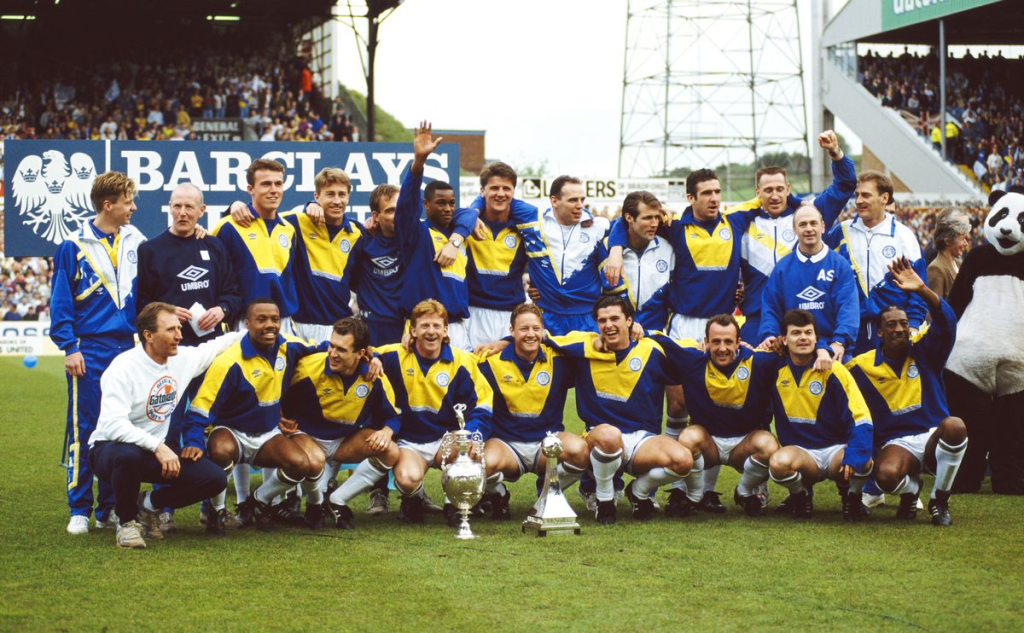
While Wilkinson’s teams may not have always dazzled with their style of play, they consistently delivered results, often defying critics and exceeding expectations.
His pragmatic approach to coaching emphasized adaptability and pragmatism, focusing on results rather than conforming to prescribed notions of “the right way” to play.
However, perhaps Wilkinson’s greatest legacy lies in his role as the FA’s technical director. Where he spearheaded the establishment of St George’s Park.
This state-of-the-art facility has become the heartbeat of English football, nurturing young talent and providing a hub for coaching and development across all levels of the game.
Wilkinson’s vision and foresight have left an indelible imprint on English football, positioning him among the sport’s true visionaries. As he embarks on a well deserved retirement. His contributions will continue to shape the future of football in England for years to come.


Leave a Reply