

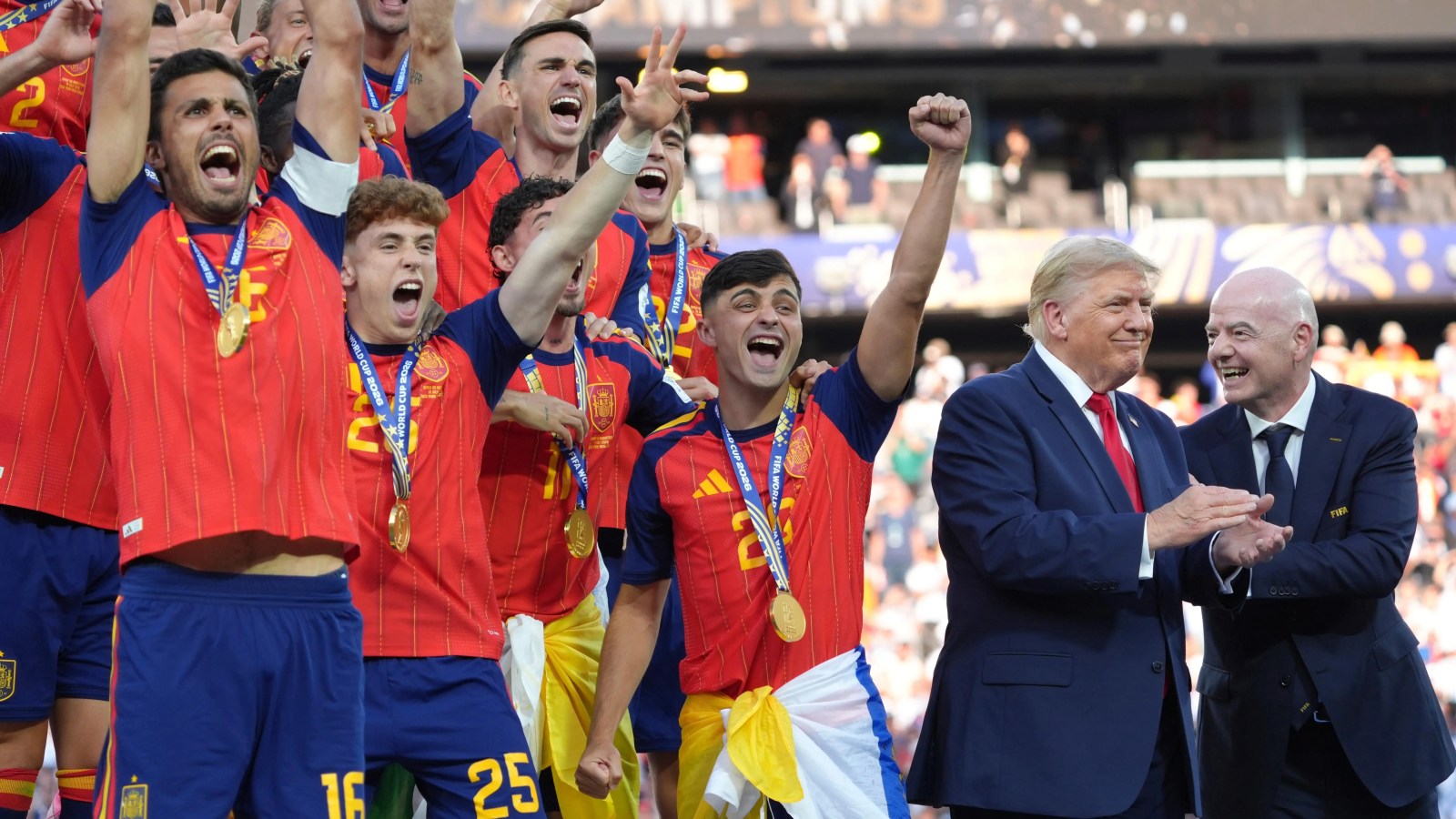
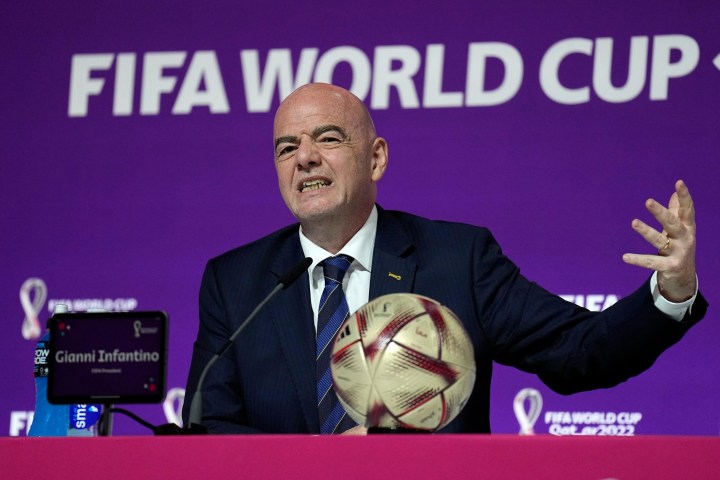
Gianni Infantino has issued a forceful public response to criticism surrounding the 2026 World Cup, using a post-tournament Instagram message to accuse his detractors of “spreading hate and false rumors” and being “consumed by hate.” The FIFA president’s remarks mark his first official response after the tournament and immediately intensify the debate over how the competition will be judged beyond the action on the pitch. Rather than offering a point-by-point rebuttal, Infantino adopted a blunt, personal tone, telling critics to “meditate, pray or watch a football match.” The significance of that approach is clear: the post-World Cup conversation is no longer only about the tournament itself, but also about how FIFA’s leadership plans to confront scrutiny in the months ahead.
- Gianni Infantino issued a post-2026 World Cup Instagram statement attacking critics of his leadership.
- He accused critics of “spreading hate and false rumors” about the tournament.
- Infantino also said some critics were “consumed by hate” in his first official response to criticism surrounding the World Cup.
- He told critics to “meditate, pray or watch a football match” instead of continuing their attacks.
- The statement shifts attention from the tournament’s football legacy to the wider battle over FIFA’s leadership and public accountability.
A Defiant Shift in Tone After the Final Whistle
Infantino’s message was notable not only for what it said, but also for when it arrived. Coming after the World Cup had concluded, it amounted to a direct intervention in the narrative that follows every major tournament, when attention often moves from results and celebration to governance, decision-making and legacy. By framing criticism as hatred and falsehood rather than disagreement, Infantino drew a firm line between FIFA’s leadership and those challenging it. That framing suggests he views the criticism as something to confront politically and emotionally, not simply answer administratively.
The language he chose was unusually sharp for a figure in his position. Telling critics to “meditate, pray or watch a football match” was not a conciliatory appeal for calm; it was a dismissive retort that underscored his refusal to engage on terms set by opponents. On one level, that can be read as an attempt to project confidence after the world’s biggest football event, presenting FIFA’s president as unshaken by the noise around him. On another, it risks deepening divisions by making the post-tournament discussion even more personal and confrontational.
That tension is what gives the statement its broader significance. Major sporting events rarely end with the final whistle; they move into a second phase in which legacy, leadership and public trust come under closer examination. Infantino’s intervention makes clear that he is not prepared to let that debate unfold without a direct response from the top. But by choosing confrontation over conciliation, he has also ensured that the tone of the argument may become as important as the substance of the criticism itself.
There is a strategic element to that choice. A strong public message can rally supporters and signal authority at a moment when scrutiny is intensifying. It can also serve as a warning that FIFA’s leadership will not accept criticism passively. Yet such an approach carries obvious risks. When the language becomes this pointed, the focus can shift away from the underlying issues and toward the style, temperament and accountability of the person delivering the response. In that sense, Infantino’s words may have widened the scope of the debate rather than narrowed it.
What the Statement Means for FIFA’s Post-World Cup Narrative
Because this was presented as Infantino’s first official response to criticism surrounding the tournament, the statement carries weight beyond that of a routine social media post. First responses often shape the tone of everything that follows, and this one was built around rebuttal rather than reflection. There was no detailed breakdown of specific allegations in the verified information available here, and no broader explanation of the issues that had fueled the criticism. As a result, the intervention lands more as a declaration of posture than as a substantive attempt to settle the argument.
That distinction matters for FIFA as it moves into the post-2026 phase. World Cups are remembered not only for iconic moments on the field, but also for the stories that endure after the trophy is lifted: organization, leadership, public trust and the sense of whether the event strengthened or strained the game’s global image. Infantino’s comments show that he is prepared to defend his stewardship aggressively, but they also leave open the question of whether a combative response can calm a debate that is clearly still active. When a president characterizes critics as driven by hate, he may rally supporters, but he may also encourage opponents to push harder.
There is also a broader communications dimension to consider. Social media allows leaders to speak directly, bypassing formal statements and controlled press settings, and that directness can be powerful in moments of controversy. Infantino used that channel to deliver an unmistakable message in his own words, without dilution and without ambiguity. But direct communication also removes the cushioning effect of institutional language, meaning every phrase carries greater force. In this case, the result was a statement that felt immediate and emphatic, but also one likely to remain central to the debate over FIFA’s tone and accountability after the tournament.
For football itself, the episode is a reminder that the end of a World Cup never truly ends the argument around it. The tournament may be over, but its political and reputational aftershocks continue to shape how it will be remembered. Infantino’s response ensures that discussion of the 2026 World Cup will include not only what happened during the competition, but also how FIFA’s president chose to answer those who challenged his leadership afterward. The intensity of his language makes this more than a fleeting online exchange; it becomes part of the official postscript to the event.
It also reinforces how closely the tournament’s legacy is now tied to the conduct of those leading the sport. Even when the football has ended, the governing narrative remains active, shaped by statements, reactions and the willingness of officials to engage with criticism. Infantino’s comments do not close that conversation. Instead, they sharpen it, ensuring that questions about leadership style and public accountability remain intertwined with any broader assessment of the competition.
What comes next will depend on whether FIFA follows this broad denunciation with more detailed engagement on the concerns that have been raised. For now, Infantino has made his position unmistakably clear: he rejects the criticism, rejects the motives he attributes to his critics and is willing to confront them in public terms. That may solidify support among those who view the attacks on his leadership as unfair, while doing little to persuade those already skeptical. Either way, his post-World Cup message has ensured that the conversation around 2026 remains active, contentious and closely tied to the man at the top of world football.
Leave a Reply