

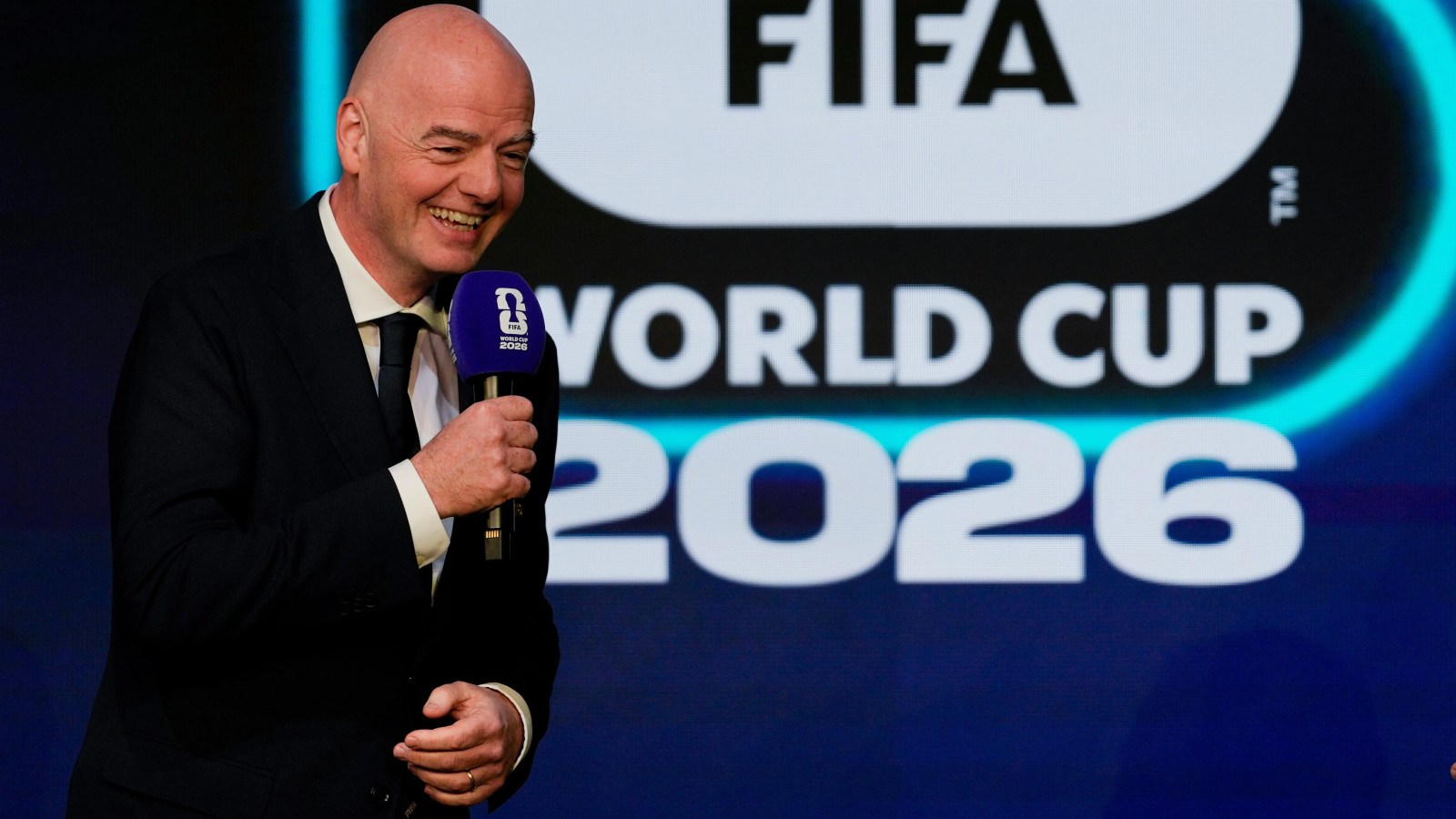
Gianni Infantino is facing mounting pressure as criticism of FIFA’s governance intensifies following the World Cup and the collapse of a controversial plan to sell stakes in the organisation’s biggest tournaments to private investors. There is no verified basis for claims of an active move to abolish the FIFA presidency, but there is clear evidence that debate around Infantino’s leadership has sharpened significantly. The abandoned investment proposal has become a focal point for wider unease over decision-making at the top of world football, feeding directly into the political atmosphere before next year’s FIFA presidential election. For FIFA, the significance is clear: questions over leadership authority and institutional direction are beginning to overshadow preparations for the 2026 World Cup.
- There is no verified evidence of a current move to abolish the FIFA presidency.
- Gianni Infantino is facing intensified scrutiny over his leadership after plans to sell stakes in the World Cup and other FIFA tournaments were revealed.
- The private-investment proposal triggered strong backlash and was later scrapped by FIFA.
- A FIFA presidential election is due next year, increasing the significance of the current pressure on Infantino.
- The fallout has sharpened broader criticism of FIFA governance and raised fresh questions about whether Infantino will remain in position.
Why the pressure has grown
The central issue is not an immediate constitutional attempt to remove the office itself, but a widening challenge to the authority of the man who holds it. The reaction to FIFA’s plan to open parts of its tournament portfolio to private investment exposed deep sensitivity around control of the sport’s most valuable assets. The World Cup is not simply another commercial property; it is the defining competition in international football and the foundation of FIFA’s power, prestige and revenue. Any suggestion that outside investors could gain a stake in that ecosystem was always likely to provoke a fierce response, and the eventual decision to abandon the idea only reinforced the sense that FIFA misread both the politics and the optics.
That matters because failed strategic initiatives often leave a deeper mark than proposals that never become public. Once the stake-sale plan emerged, it drew scrutiny not only to the proposal itself but also to the leadership culture that allowed it to advance far enough to become a major controversy. Even without verified financial details or named internal opponents, the sequence is significant: a major structural idea surfaced, backlash followed and FIFA retreated. In governance terms, that is damaging because it creates an impression of uncertainty at the top and raises questions about consultation, oversight and confidence within the organisation. For Infantino, the issue extends well beyond one abandoned commercial concept; it is about whether he still commands the authority to shape FIFA’s future without provoking destabilising resistance.
The controversy also cuts to a broader concern about how FIFA balances commercial ambition with stewardship of the game’s most important competitions. The governing body has long operated where sport, money and global politics intersect, but that position demands confidence that its leadership understands the symbolic and institutional weight of the World Cup. The backlash to the proposal suggests many saw a risk that FIFA was willing to treat its flagship tournaments too much like financial assets and not enough like the core of its legitimacy. Once that perception takes hold, criticism rarely stays confined to a single proposal. It expands into a wider debate about transparency, judgment and whether the organisation’s priorities remain aligned with the interests of the game.
That is why the pressure on Infantino has intensified even without any verified evidence of a formal attempt to target the presidency itself. The office remains intact, but the authority attached to it is under sharper examination. In football politics, perception matters as much as procedure. A leader does not need to face an immediate constitutional threat for his position to appear less secure; sustained scrutiny, public retreat and visible controversy can be enough to alter the political climate. In that sense, the collapse of the investment plan has become more than a policy reversal. It has become a test of whether Infantino can still project control at a moment when FIFA needs clarity and confidence.
What it means before the election
The timing is especially important with a FIFA presidential election due next year. Election cycles tend to magnify every unresolved tension, and this episode has handed critics a clear line of attack centred on governance, accountability and strategic judgment. Even without any verified challenger or formal campaign movement, the political reality is straightforward: uncertainty grows when a leader enters an election period under visible pressure. The questions now are no longer limited to one isolated controversy; they concern whether the backlash marks a turning point in how Infantino’s leadership is viewed across the game.
For FIFA as an institution, the concern is that governance debate could begin to compete with the organisation’s sporting agenda at a crucial moment. The 2026 World Cup should be the project that unifies attention, planning and messaging, yet scrutiny of the presidency risks diverting energy toward internal politics. That does not mean tournament preparations have been derailed, but it does mean every major decision may now be interpreted through the lens of presidential authority. When a governing body appears to step back under pressure, stakeholders often become more willing to challenge future proposals, and that can alter the balance of power even before any formal vote takes place. In that sense, the scrapped investment plan may prove consequential not because it changed FIFA’s business model, but because it changed the political environment around the presidency.
There is also a broader reputational dimension to the current moment. FIFA’s credibility depends on convincing the football world that sport, commerce and global influence are being managed in a way that protects the game’s core competitions. The backlash to the stake-sale idea suggests many believed that balance was shifting too far toward financial engineering around events with enormous symbolic value. Once that impression hardens, it becomes difficult for any president to present the issue as merely technical or exploratory. Instead, it strengthens a larger argument that governance standards, transparency and institutional priorities deserve far tougher examination than they receive in calmer periods.
That is why this should be understood as a test of resilience rather than a settled verdict. There is no verified evidence that the presidency itself is under formal threat as an office, but there is unmistakable pressure on the leadership attached to it. Infantino’s position is being questioned more sharply because the failed private-investment plan crystallised concerns that had already been building after the World Cup. Whether those concerns develop into an organised electoral challenge remains unclear, but the atmosphere has changed. In football politics, that shift can be decisive, because once authority begins to look contested, every subsequent decision is judged not only on its merits but also on what it suggests about the leader’s staying power.
What happens next will depend on whether FIFA can restore confidence and reassert a clear sense of direction before the election cycle intensifies further. The immediate reality is that the private-investment plan has been dropped, but the debate it triggered is far from over. Governance, accountability and leadership legitimacy are now central themes around FIFA at a time when attention should be building toward 2026. Infantino remains in place, yet the months ahead are likely to determine whether this controversy becomes a temporary setback or the defining pressure point of his presidency.

Leave a Reply