
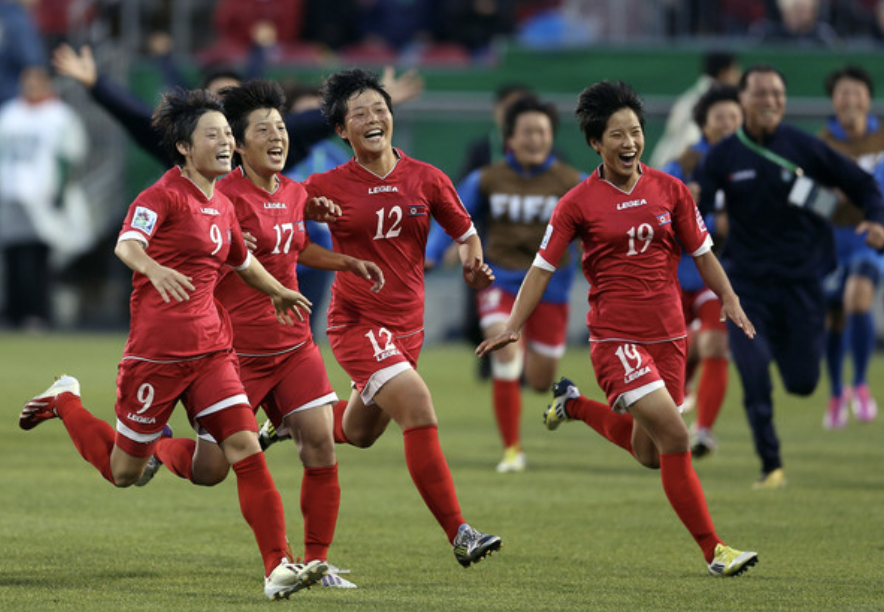
North Korea’s women’s football age-group teams are making waves, capturing attention as they emerge from the shadows of isolation. After an impressive weekend, they demonstrated that they are a force to be reckoned with, particularly following their remarkable performance in the FIFA Women’s Under-20 World Cup.
While elite club football focused on the fallout from events at the Etihad Stadium, something extraordinary unfolded in Bogotá. North Korea’s journey to the final of the tournament culminated in a stunning display of talent and teamwork, revealing a new perspective on the team’s season performance.
The Chollima, named after the mythic “indestructible winged horse,” arrived in Colombia in August with a squad of 21 players selected from six domestic clubs. Despite their domestic popularity, these players remained largely unknown to the global audience. They kicked off their campaign on September 2 with a resounding 6-2 victory over Argentina, followed by an astonishing 9-0 win against Costa Rica, showcasing a squad featuring eight different goalscorers. They secured their spot at the top of the group by defeating the Netherlands 2-0 just three days later.
The knockout phase saw North Korea continue their dominance with a 5-2 victory over Austria. Their endgame was nearly flawless, culminating in victories against Brazil (ranked No. 8), the USA (No. 1), and Japan (No. 7), all while maintaining a solid defense that saw them concede no goals. Their final tally was impressive: seven matches played, seven wins, and an aggregate score of 25-4.
The quality of play was captivating. Highlights from the matches displayed a dynamic blend of skill and creativity, culminating in a spectacular goal from Choe Il-son, a gifted 17-year-old. In the final, she displayed remarkable composure by cutting inside from the right, gliding past a defender, and finishing with a left-footed shot that found the roof of the net, albeit with a slight deflection. Choe’s performance evoked memories of teenage icons Wayne Rooney and Michael Owen, characterized by clever, fearless runs and an infectious energy.
Choe plays for Pyongyang’s April 25 National Defence Sports Club but, like her teammates, will soon disappear behind the veil of isolation that shrouds North Korean athletes. However, she remains eligible for the Under-17 World Cup next month in the Dominican Republic, where North Korea’s women have an opportunity to sweep through all FIFA age groups. This includes a highly anticipated matchup against England on October 23.

It’s essential to recognize that North Korea’s success at the youth level may surprise those unfamiliar with the country’s history in women’s football. For decades, North Korea has been a competitive force, often cloistered from international tournaments, yet consistently ranking near the top of global standings.
For the neutral observer, this tournament served as a powerful reminder of sports’ capacity to challenge and dismantle preconceived notions. North Korea, often viewed through the lens of political tension, instead presented a team characterized by energetic and high-pressure play, interspersed with creative flair and enjoyment. A heartwarming moment during the final saw forward Sin Hyang support Choe after a missed opportunity, showcasing a camaraderie rarely seen on such stages.
While concerns about the team’s shadowy management persist—stories of propaganda and political intimidation linger—North Korea’s women’s football journey is ultimately a story of resilience and ambition. The regime’s initial push into women’s football stemmed from a desire to showcase the country positively on the global stage. Following a call to action at the 1986 FIFA summit, party officials spearheaded initiatives to develop women’s football, resulting in a national league that provided accommodation and employment for players in the capital. This investment bore fruit, leading to North Korea’s triumphs in the Asian Cup in 2001, 2003, and 2008.
However, the program faced significant challenges when, in 2011, five national team players tested positive for a banned steroid, a scandal that resulted in a ban from the 2015 World Cup and contributed to their declining fortunes. The pandemic further isolated North Korean football, and the current squad represents a new generation, emerging with enthusiasm and talent.
North Korea’s success in Colombia hints at a burgeoning golden generation poised to capture the attention of the footballing world. With the Under-17 World Cup approaching, the spotlight will once again shine on these athletes, providing them with a chance to showcase their skills on an international stage.
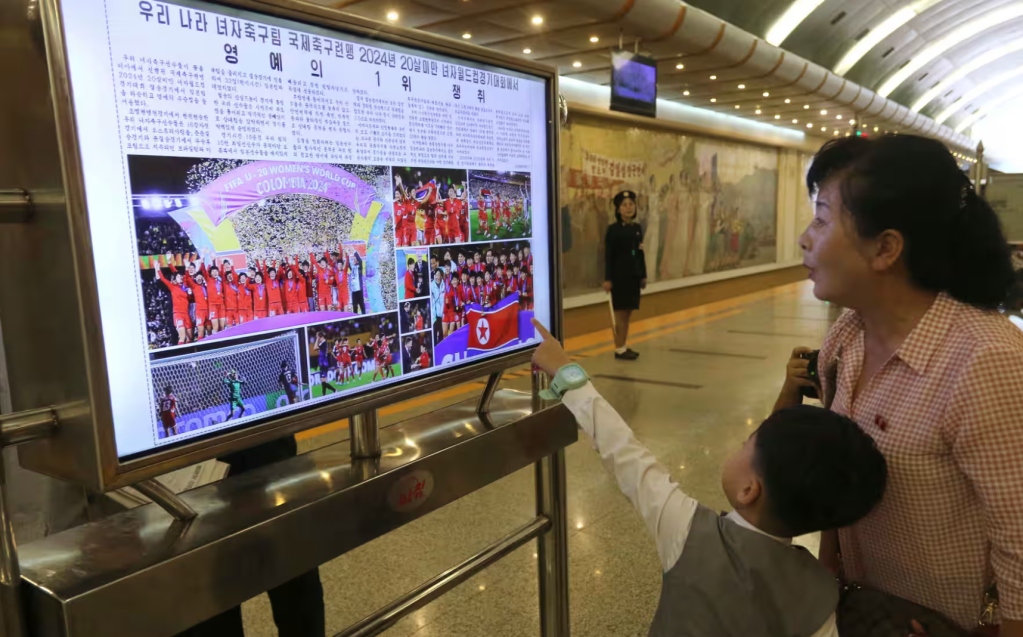
As we look ahead to future tournaments, the prospect of a North Korean victory poses a conundrum for FIFA and its sponsors. While Colombia may not have fully unveiled the complexities of the world’s most secretive nation, it has certainly provided a glimpse into a narrative that transcends the usual stories of oppression and poverty.
For those hoping to see Choe and her talented teammates compete in Europe, it may be time to consider a new form of diplomacy—one rooted in the love of the game, blending sports and humanity into a powerful narrative that can bridge divides.