

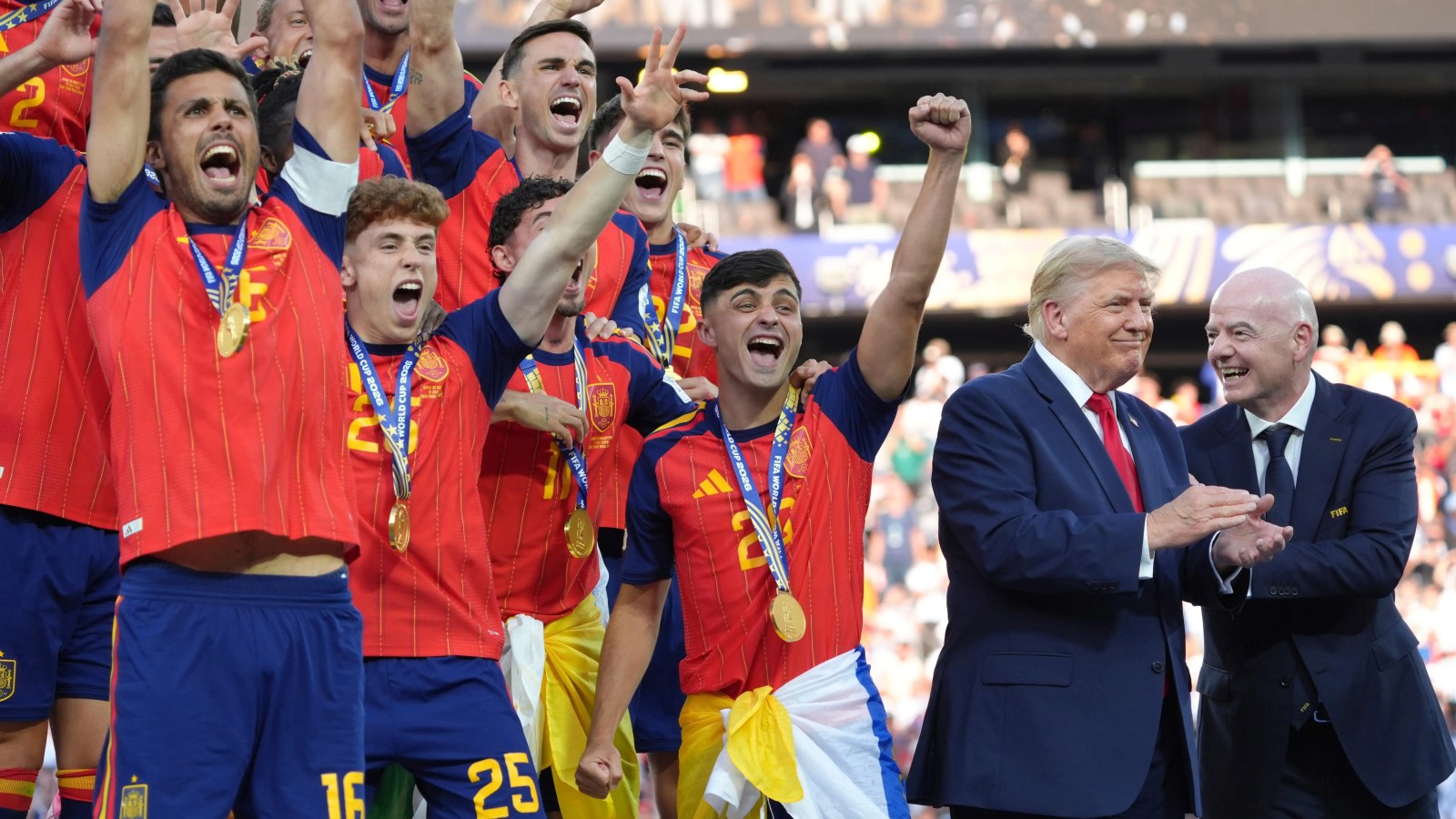
FIFA has abandoned plans to sell a stake tied to future revenues from the World Cup and other competitions, with president Gianni Infantino confirming the governing body will not proceed with the proposal. The decision is significant because it shuts the door, at least for now, on a major restructuring idea that would have placed part of FIFA’s most valuable commercial assets into a separate vehicle. At the centre of the debate was a plan to sell a 20% stake in a subsidiary that would run FIFA competitions, including the World Cup. For an organisation built on control of its flagship tournaments, dropping that proposal marks a notable retreat and an important moment in the politics of global football.
- FIFA has abandoned plans to sell a stake tied to future World Cup and other competition revenues.
- Gianni Infantino said the governing body will not proceed with the proposal.
- The plan involved selling a 20% stake in a subsidiary that would run FIFA competitions, including the World Cup.
- The proposal collapsed after backlash, although the precise cause must be framed carefully.
- UEFA said it had lost confidence in Infantino after the plan fell apart.
Why the proposal mattered
The shelved proposal was notable because it touched the core of FIFA’s financial model. The World Cup is not simply another tournament on the calendar; it is the central asset underpinning the governing body’s commercial strength, strategic influence and long-term planning. Any move to carve future revenues from that competition into a subsidiary and sell a minority stake would have been seen as more than a straightforward financial transaction. It would have represented a shift in how FIFA manages ownership, control and the monetisation of the game’s biggest events.
That is why the collapse of the plan carries significance beyond the immediate boardroom outcome. Even without a completed transaction, the episode has exposed the sensitivity around private investment and future tournament income in international football. A 20% stake sale in a competitions subsidiary would have raised clear questions about governance, oversight and the extent to which outside financial interests might shape the direction of elite tournaments. FIFA’s decision not to proceed suggests those concerns became too substantial to ignore, even if the exact chain of cause and effect should not be pushed beyond the verified facts.
The proposal also mattered because of what it implied about FIFA’s broader strategic thinking. The governing body has spent years expanding the scale, reach and commercial value of its competitions, with the World Cup at the centre of that effort. Creating a structure around future revenues and opening part of it to outside investment suggested a willingness to explore more aggressive ways of unlocking value from those events. That made the idea politically delicate from the outset, because any perceived dilution of direct control over the World Cup is bound to trigger concern across the game.
In that context, abandoning the plan is not just a technical reversal. It is a reminder that football’s most important commercial assets are inseparable from questions of legitimacy and institutional authority. FIFA may have viewed the proposal as a way to reshape how competition revenues are managed, but many stakeholders were always likely to see it through a wider lens: who controls the sport’s biggest tournaments, who benefits from their future income and how much influence external capital should be allowed to exert. Those issues help explain why the proposal became so contentious even before any deal was completed.
Governance fallout and what it means
The political consequences may prove just as important as the financial ones. UEFA’s statement that it had lost confidence in Infantino after the plan collapsed points to a serious fracture at the top of the game. When one of football’s most powerful confederations publicly signals that level of distrust, it changes the atmosphere around future negotiations on competition structure, calendar issues and commercial strategy. It also means this is no longer only a story about a failed revenue proposal; it has become a test of leadership and institutional relationships.
For Infantino, halting the plan avoids forcing through a deeply contentious project, but it does not erase the damage caused by the episode. The fact that FIFA explored a structure involving future World Cup revenues was always likely to invite scrutiny because of how central those revenues are to the organisation’s identity and leverage. By stepping back, FIFA can argue it has preserved direct control over its competitions, yet the broader governance questions remain. Stakeholders will want clarity on how such a proposal developed, how close it came to implementation and what safeguards exist around similarly transformative ideas in the future.
There is also a wider strategic reading of this reversal. FIFA has spent years expanding the scale and commercial footprint of its tournaments, and the World Cup sits at the centre of those ambitions. A proposal to sell a stake in a subsidiary built around competition revenues pointed to a willingness to think boldly about extracting value from those events. Walking away from it indicates that, whatever the potential financial upside may have been, the institutional cost was judged too high. In that sense, the retreat is both a practical decision and a signal that football’s governing politics still place limits on how far commercial engineering can go.
The wording around why the proposal was abandoned deserves care. It is supported that the plan was dropped after backlash, and it is also established that UEFA reacted sharply after the collapse. What is not independently confirmed here is the stronger claim that the proposal was abandoned specifically because of fierce opposition from football’s governing bodies. That distinction matters because it shapes how the story is understood: either as a direct defeat imposed by external resistance or as a broader internal decision taken amid growing pressure and loss of confidence. The verified picture is clear enough without stretching beyond the evidence available.
What happens next is likely to be a period of recalibration inside FIFA rather than renewed momentum behind the same idea. With the proposal now off the table, attention will turn to how the governing body manages future competition revenues without introducing a stake-sale structure of this kind. Just as importantly, FIFA must deal with the political aftershocks, especially after UEFA’s loss of confidence in Infantino. The World Cup remains football’s premier asset, and this episode has shown that any attempt to reshape ownership or revenue control around it will face intense scrutiny long before it reaches the finish line.
Leave a Reply