

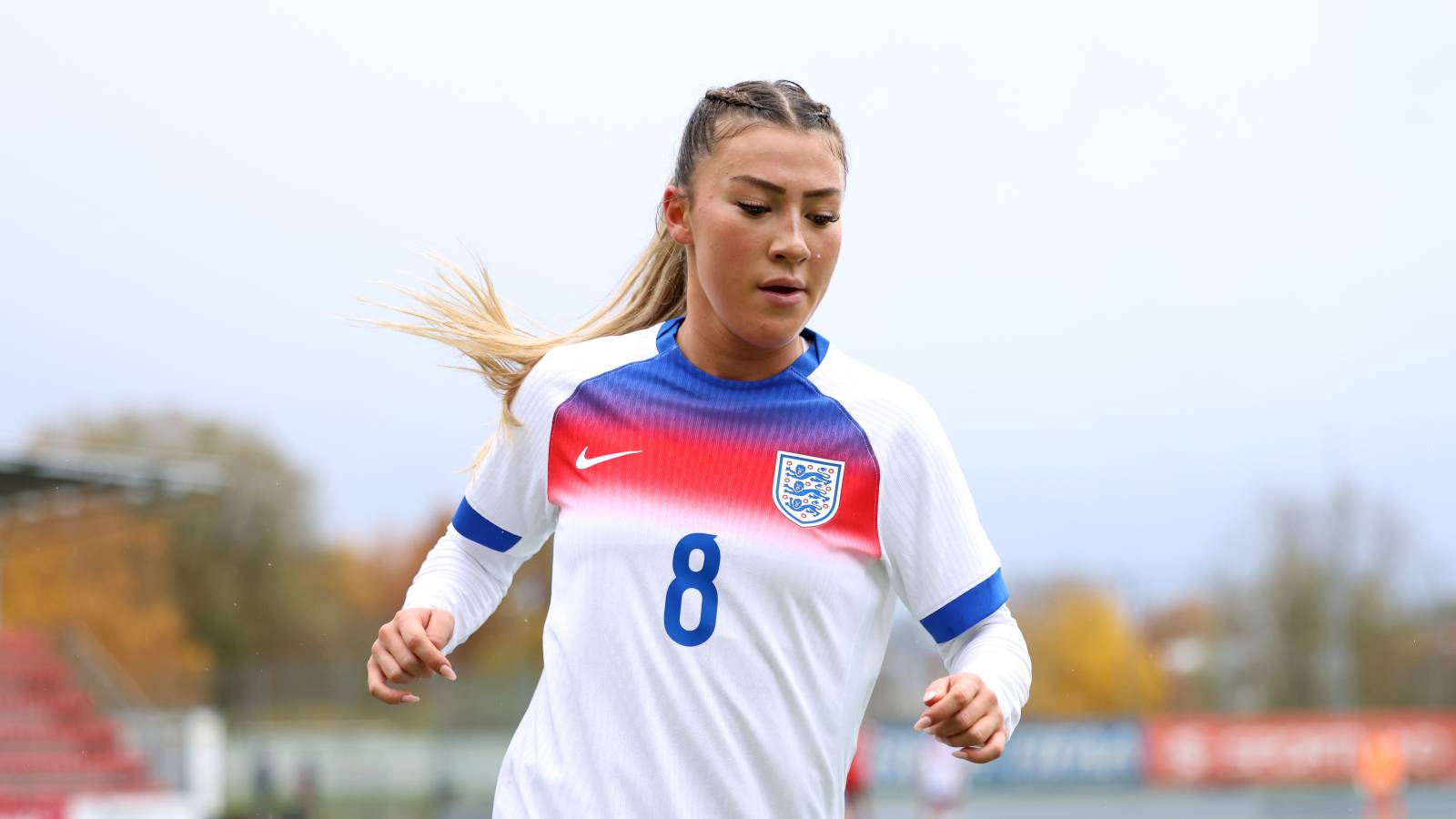
A claim involving England Under-20s, Erica Meg Parkinson and an alleged withdrawal from a training camp cannot be verified on the evidence available, leaving no confirmed development to report and reinforcing the need for caution around emerging tournament news. The material reviewed does not substantiate the specific incident, nor does it support the broader context attached to it, including reference to an Under-20 Women’s World Cup in Poland next month. In practical terms, that means there is no verified basis for stating that a player has withdrawn, that a camp has been affected, or that squad planning has changed. The key fact in this case is not an on-field performance or a selection twist, but the absence of corroborated information strong enough to sustain the original claim.
- The claim involving England Under-20s, Erica Meg Parkinson and a withdrawal from training camp is unverified on the evidence provided.
- The available search results relate to England’s men’s team at the 2026 FIFA World Cup rather than England Under-20s.
- No reviewed material mentions Parkinson withdrawing from a training camp.
- No reviewed material mentions a women’s youth tournament in Poland next month.
- There is no verified basis to report squad disruption, selection changes or tournament preparation linked to this claim.
Why the claim cannot be confirmed
The central issue is straightforward: the available research does not match the subject of the claim. Rather than producing material about England Under-20s in the women’s game, the results concern England’s men’s team in the buildup to or context of the 2026 FIFA World Cup. That disconnect is significant because it prevents any reliable link from being drawn between the search material and the named individuals or events in the original assertion. When the evidence points to an entirely different team and competition, there is no sound reporting basis for presenting the claim as fact.
That mismatch is not a minor technicality. Verification in sports reporting depends on relevance as much as volume. Even a large amount of material is of little value if it concerns the wrong squad, the wrong competition and the wrong context. Here, the available evidence does not merely fall short of confirming the claim; it points elsewhere entirely. As a result, there is no credible foundation for treating the allegation as an established development within England Under-20s preparations.
Just as importantly, none of the reviewed material mentions Erica Meg Parkinson in connection with a withdrawal from training camp. That absence is decisive. In football reporting, squad-availability stories often carry immediate implications for selection balance, tactical preparation and tournament readiness, but those implications only become meaningful once the underlying fact is established. Here, because the underlying fact is not established, any attempt to discuss its consequences as though they were real would move beyond verified reporting.
The same standard applies to any suggestion of wider disruption. A reported withdrawal can quickly lead to assumptions about injury, fitness, personal circumstances or administrative issues. Yet without direct and relevant evidence, those assumptions remain speculative. Responsible coverage requires a clear distinction between what is known and what is merely claimed. On the current record, what is known is limited: the available material does not confirm the alleged withdrawal, and it does not support the surrounding narrative attached to it.
What it means for England Under-20 coverage
The lack of confirmation extends beyond the player-specific element to the tournament context itself. The claim refers to a women’s youth tournament in Poland next month, yet the evidence reviewed contains no mention of such an event. Without that confirmation, even the competitive setting attached to the story remains unsupported. That makes it impossible to responsibly frame the claim within a schedule, a preparation window or a wider international pathway for the team.
For England Under-20 coverage, that leaves a clear editorial position: there is currently nothing verified to indicate a camp withdrawal, a fitness issue, a selection adjustment or a disruption to preparations. In the absence of confirmed squad news, there is also no basis for assessing how a coaching staff might respond, whether replacements are under consideration, or how a potential absence could affect roles within the group. Those are all normal lines of analysis in youth international football, especially close to major tournaments, but they depend entirely on facts that are not present here.
This is particularly important in youth football, where information can circulate quickly and gather momentum despite a lack of firm evidence. Stories involving named players and national-team camps can shape perceptions of a squad long before any official competitive action begins. A single unverified claim may be interpreted as a sign of instability, a selection issue or a setback in preparation. That is precisely why restraint matters. Without corroboration, such narratives risk creating noise rather than informing readers.
The responsible conclusion is therefore limited but important: the claim should be treated as unverified unless and until it is supported by direct, relevant evidence. That does not confirm the opposite, nor does it invite inference in either direction. It simply reflects the current state of the record. At present, there is no verified basis to report that England Under-20s have lost a player from camp, that plans have changed, or that tournament preparations have been altered in any way connected to this claim.
What comes next is straightforward. Any meaningful update would require verifiable information directly connected to England Under-20s, Erica Meg Parkinson and the relevant women’s youth competition. Until such evidence emerges, there is no confirmed withdrawal to analyse and no substantiated tournament development to track. For now, this remains a story of non-verification rather than squad upheaval, and that is the only defensible position on the current record.


Leave a Reply