

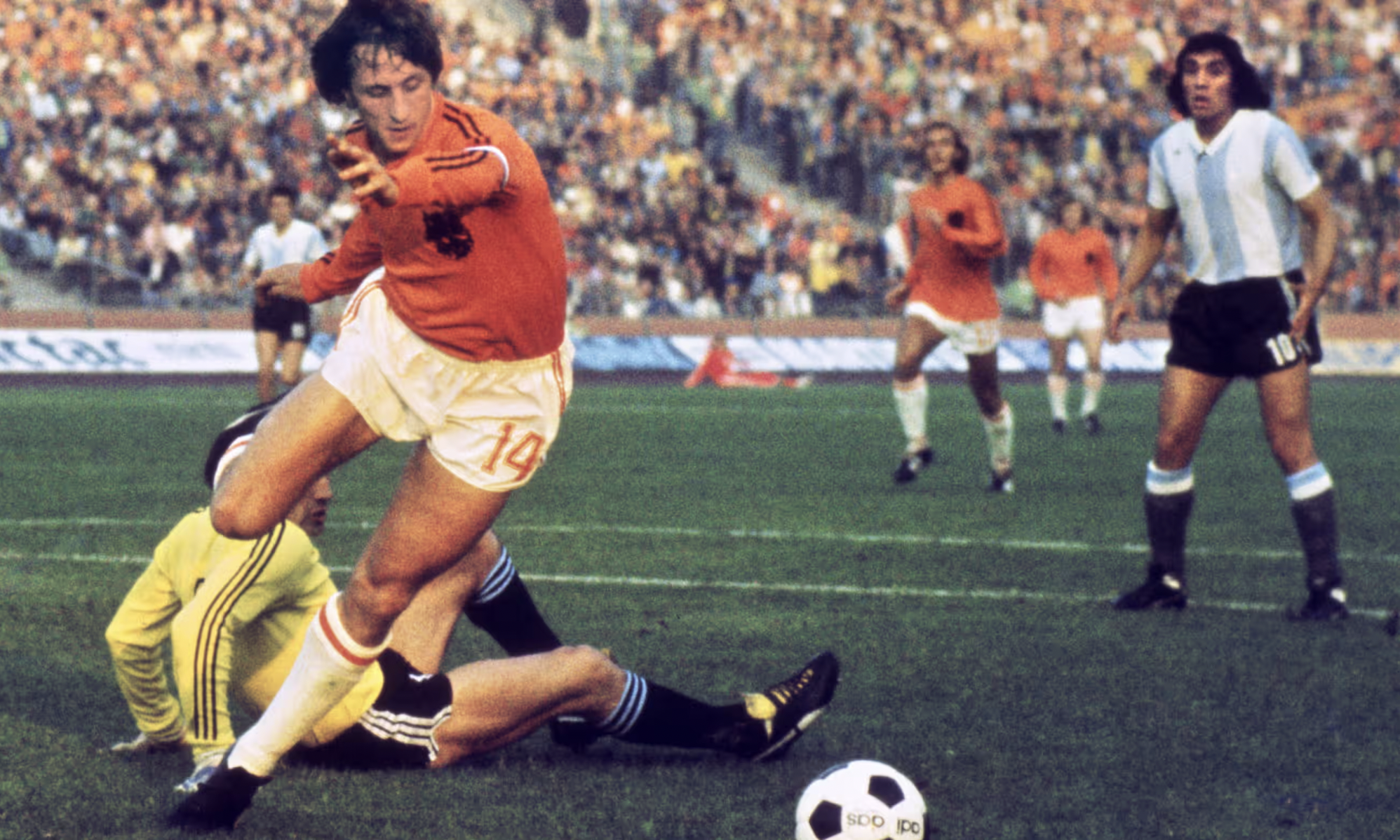
Sérgio Markarián, a 30-year-old general manager of a fuel distribution company in Montevideo, discovered his true calling during the 1974 World Cup. Despite abandoning his football dreams 12 years prior, watching the Netherlands dominate Uruguay reignited his passion. The Dutch team didn’t just outplay Uruguay; they also crushed Argentina and Brazil, winning by a combined score of 8-1. Markarián realized he needed to become a coach to ensure his country wouldn’t face such humiliation again. He aimed to teach South America how to handle Total Football.
Whether his achievements—seven league titles across three South American countries and a third place at the Copa América—fulfill this mission is debatable. However, Markarián’s determination to pursue it matters more. He wasn’t the only one inspired by the Dutch, who, despite losing 2-1 to West Germany in the final, left an indelible mark.
Arrigo Sacchi, then a shoe salesman, felt his TV couldn’t capture the Dutch brilliance. He soon resolved to bring the Netherlands’ high-pressing game to Serie A, revolutionizing Italian football and winning two European Cups with Milan within 15 years.
Other teams have made impressions, but none had the lasting influence of the Netherlands in the 1974 World Cup. The technological advancements played a part. The 1970 World Cup was the first globally broadcast live, but many games aired too late for European viewers. In contrast, the timing of the 1974 games was perfect for audiences in Europe and South America, making the Dutch dominance widely seen and influential.
The heat and altitude of Mexico made high-intensity pressing impossible. By 1974, pressing returned amid West Germany’s persistent rain. For the Dutch, pressing wasn’t just functional but produced extraordinary beauty.
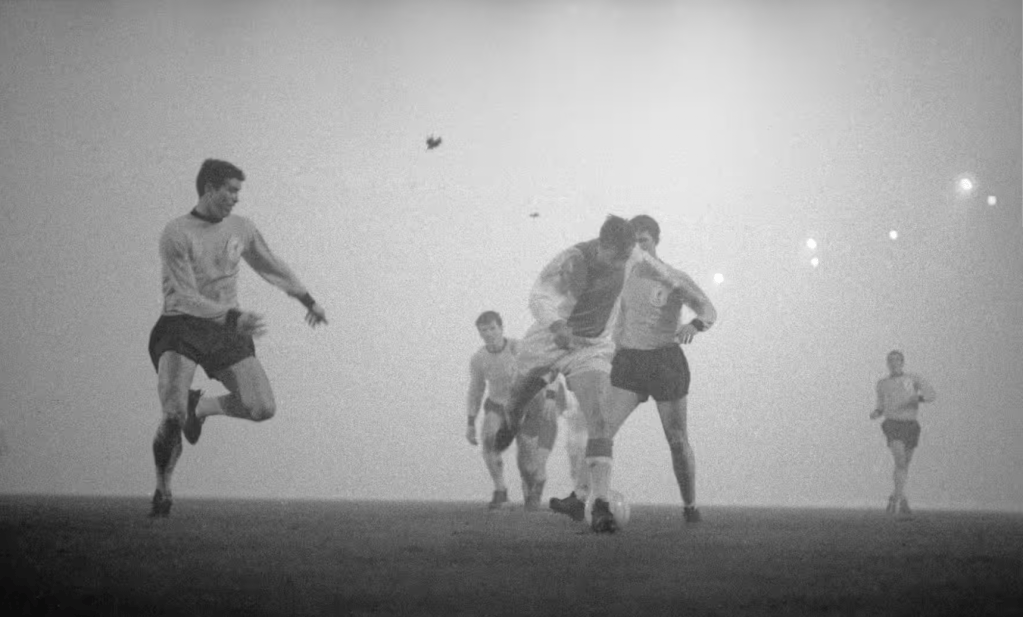
1974 marked the peak of Total Football. Vic Buckingham had sown its seeds in Amsterdam, nurtured by Rinus Michels from 1965. British football first noticed something special during a foggy afternoon in December 1966 when Ajax beat Liverpool 5-1. Ajax had already won the European Cup three times before 1974, and Feyenoord had won it once. However, the World Cup attracted the most viewers, creating legends.
The Dutch revolution wasn’t merely about positional interchange, which many teams had done before. What set them apart was their aggressive press and using the offside trap as an attacking strategy. Brazil’s captain at the 1974 World Cup, Marinho Peres, found the Dutch insistence on pushing up baffling, contrasting with Brazilian tactics.
Now, 50 years later, understanding the importance of pressing is fundamental. Almost every elite team presses to some extent, knowing that timing is crucial. This understanding splits football history into two parts: before and after systematized pressing, with the mid-60s as the dividing line.
The Dutch, lacking a strongly defined football culture, embraced the future enthusiastically. This revolution in Amsterdam paralleled broader societal changes, transforming the city from gloomy to the center of the youth revolution. The 1974 World Cup cemented the idea of what Dutch football should be.
However, the idealization of 1974 has become restrictive in recent years. Bert van Marwijk’s aggressive 2010 World Cup team was disowned by many for not adhering to Total Football ideals. Ronald Koeman and Louis van Gaal, both diverging from the 4-3-3 orthodoxy, faced criticism.
Football isn’t a religion. The summer of 1974 was monumental for Dutch football but not a scripture. To stay ahead, the game must evolve. This is Koeman’s mission now—refining and advancing the legacy of Total Football.

Leave a Reply