

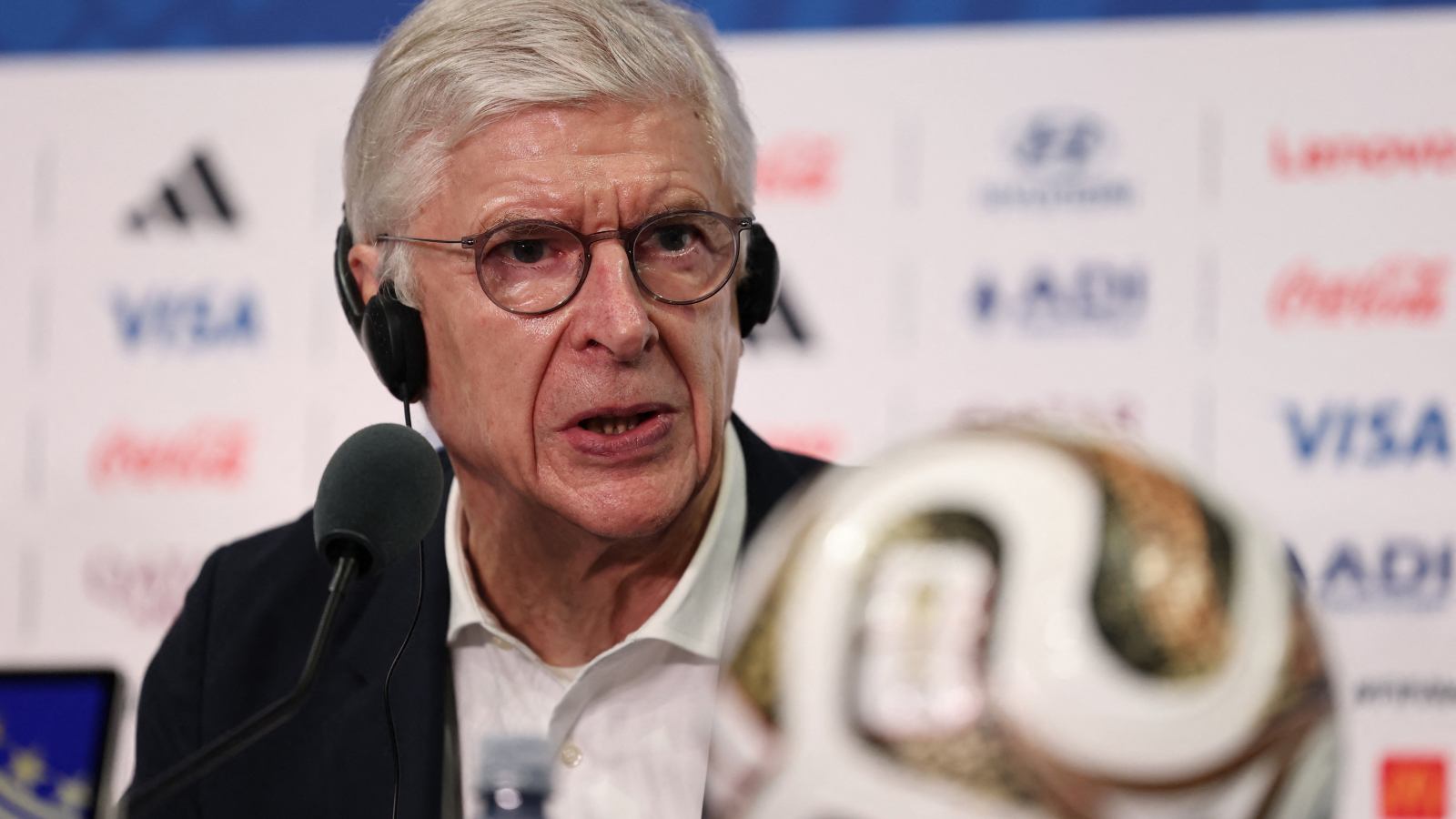
Arsene Wenger has moved decisively to distance himself from Gianni Infantino’s abandoned plan to sell stakes in FIFA competitions, saying he knew nothing about the proposed $20 billion project and insisting that dropping it was “absolutely necessary.” The intervention carries weight because Wenger remains one of the most recognisable senior figures within FIFA’s football structure, and his public separation from the idea underlines how politically damaging the proposal became. What began as an ambitious attempt to reshape the commercial future of the World Cup and other tournaments instead triggered a broad backlash across football’s governing landscape. With the plan now shelved, the focus has shifted from expansion and investment to governance, trust and the balance of power between FIFA and the continental federations.
- Arsene Wenger said he knew nothing about the proposed $20 billion plan to sell stakes in FIFA competitions.
- Wenger said abandoning the plan was “absolutely necessary.”
- Gianni Infantino reversed course after strong pushback from within world football.
- The resistance included a threatened boycott from UEFA and pressure from other federations.
- UEFA has since threatened FIFA with legal action over the failed attempt to sell stakes in the World Cup and other tournaments to private investors.
Wenger’s intervention sharpens the fallout
Wenger’s statement is significant not only for what it says about the failed proposal, but also for what it suggests about the internal handling of one of FIFA’s most sensitive commercial ideas. By saying he knew nothing about the plan, Wenger drew a clear line between his own role and a project that has now become a source of institutional embarrassment. His further judgment that ending it was “absolutely necessary” went beyond simple distancing and amounted to a direct acknowledgment that the proposal had become untenable. In practical terms, that gives the story a sharper dimension: this is no longer only about a plan that failed to win support, but about how firmly key figures are now separating themselves from it.
The scale of the proposed transaction made a backlash almost inevitable once opposition hardened. Selling stakes in FIFA competitions, particularly the World Cup, would have involved the most valuable and symbolically important assets in global football. Any move involving private investors and long-term commercial rights was always likely to raise questions about control, accountability and the future direction of the sport’s flagship tournaments. Once those concerns crystallised into organised resistance, the proposal shifted from a bold financial concept into a political liability.
That shift matters because FIFA’s biggest commercial decisions do not exist in isolation from the sport’s wider political structure. The World Cup is both a revenue engine and a central institution in international football, so any attempt to alter its ownership model inevitably carries consequences far beyond finance. Wenger’s comments reinforce the sense that this was not merely a failed business initiative, but an episode that exposed fault lines over consultation, authority and internal alignment at the top of the game.
His intervention also deepens scrutiny of how the proposal was advanced in the first place. If a figure so closely associated with FIFA’s football development work was not aware of the plan, that raises obvious questions about who was involved, who was informed and how such a consequential idea was handled internally. Even without changing the underlying facts, Wenger’s account makes the abandoned project look less like a routine strategic discussion and more like a misstep that left senior figures keen to establish distance once the resistance became overwhelming.
Why the resistance became decisive
The pressure that forced Infantino to reverse course appears to have come from multiple directions, but UEFA’s stance was especially important. A threatened boycott from European football’s governing body represented a serious escalation because it challenged the practical credibility of any future tournament structure tied to the plan. Even without further detail on how such a boycott would have been implemented, the threat alone carried enormous weight. The World Cup’s commercial and sporting value depends on the participation of the strongest football nations and on the broad legitimacy of the competition, so any sign of rupture at that level would have been deeply destabilising.
Pressure from other federations added to the sense that the proposal was losing support across the wider game rather than merely attracting isolated criticism. That matters because FIFA’s authority rests on its ability to present itself as the central organising force of a global membership. If the plan had continued in the face of widening resistance, the dispute could have evolved into a far more damaging confrontation over who gets to shape the commercial future of international football. Infantino’s reversal therefore looks less like a tactical adjustment and more like an admission that the political cost had become too high to sustain.
UEFA’s subsequent threat of legal action ensures the fallout is not ending simply because the proposal has been dropped. Even after the retreat, the dispute remains alive in the form of possible legal and governance consequences. That is important because it suggests the argument is now about process as much as policy: not only whether stakes in FIFA tournaments should be sold, but whether the attempt itself crossed lines that other football authorities are unwilling to accept. The legal threat also keeps pressure on FIFA by preventing the issue from being quietly closed once the commercial idea was withdrawn.
For FIFA, the abandoned plan creates a difficult challenge in terms of credibility and internal cohesion. The organisation must now manage the perception that one of its most consequential commercial ideas advanced far enough to provoke a major institutional clash, only to be abandoned under pressure. Wenger’s remarks intensify that problem because they imply that even a senior figure closely associated with FIFA’s football work was outside the loop. Whether the episode is read as a communications failure, a governance failure or both, it raises clear questions about consultation and decision-making at the top of the sport.
For UEFA and the other federations that pushed back, the retreat is also a demonstration of leverage. The abandoned sale plan shows that FIFA’s commercial ambitions, however large, still depend on political consent from the wider football ecosystem. That does not mean the underlying tensions have disappeared. On the contrary, the episode may harden attitudes on all sides, with continental bodies likely to be more alert to future attempts to restructure tournament rights or revenue models, and FIFA likely to face sharper scrutiny whenever it explores major strategic change.
The wider significance extends beyond this single proposal because it touches the future ownership logic of elite international football. The World Cup is not just another sports property; it is the defining event in the men’s international game, and any move to sell stakes in it inevitably becomes a debate about stewardship. Once private investment enters that conversation, football authorities must confront concerns about who benefits, who decides and what protections exist around the sport’s central competitions. The collapse of this plan does not settle those questions permanently, but it does show how explosive they become when stakeholders believe they are being pushed too far, too quickly or without sufficient consensus.
What comes next is likely to be shaped by two parallel tracks: FIFA’s attempt to move beyond a bruising setback, and UEFA’s decision on whether to escalate its legal threat. Wenger’s intervention has made it harder for the issue to be dismissed as a minor disagreement, because it places a senior football figure firmly on the side of abandoning the plan. That leaves FIFA needing to restore confidence while avoiding a deeper institutional confrontation with its own member bodies and confederations. For now, the proposed sale of stakes in the World Cup and other tournaments is off the table, but the struggle over governance, authority and commercial control in world football is clearly far from over.
Leave a Reply