

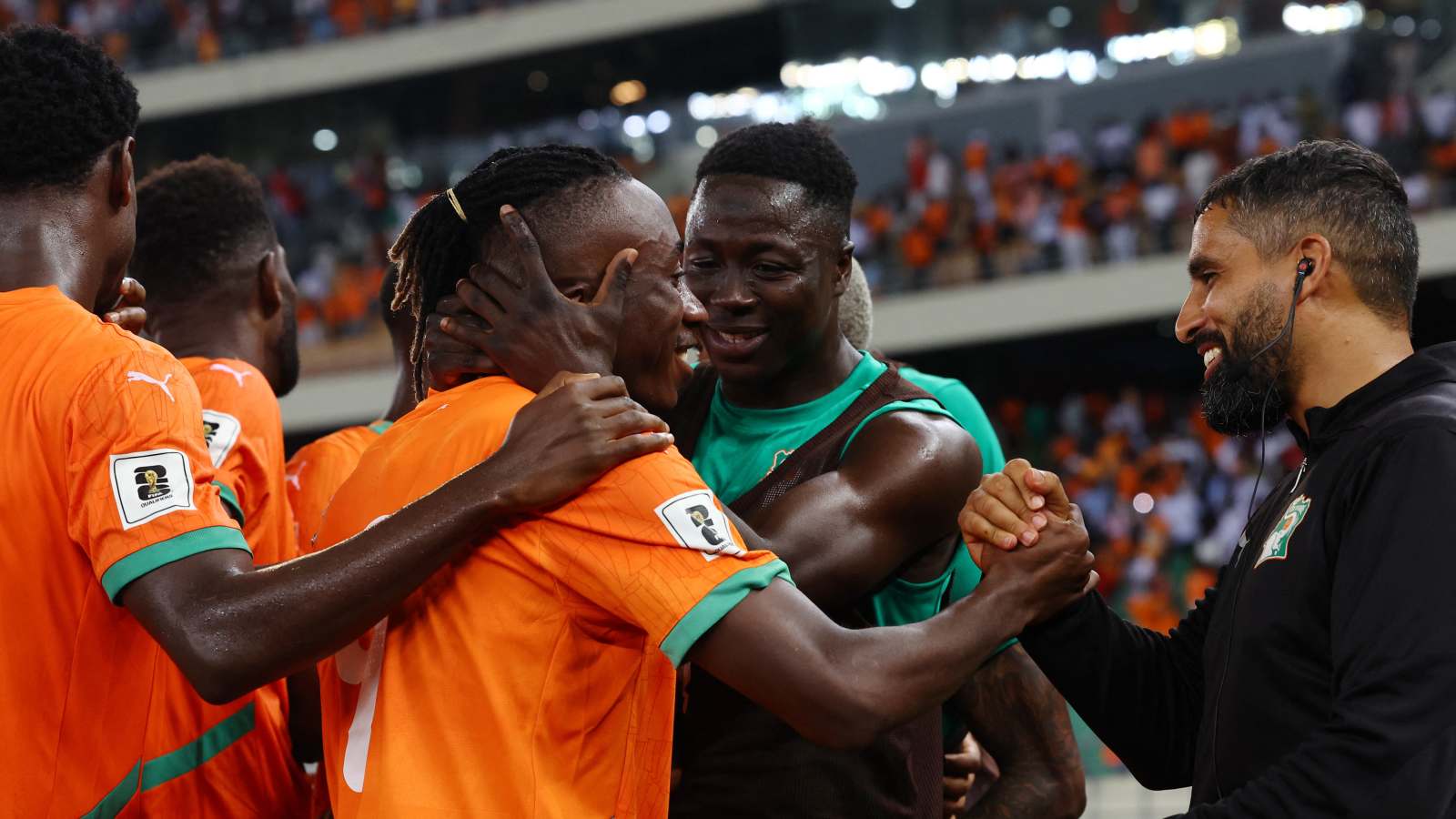
A newly published article imagining Africa’s best XI for the 2030 FIFA World Cup has already sparked discussion about the continent’s future stars, even though the exercise is explicitly framed as speculative rather than definitive. The piece’s most notable feature is not a confirmed selection or any breaking development, but its willingness to look far ahead and invite debate over which players could define Africa’s next World Cup cycle. That matters because long-range conversations like this often show how quickly expectations can build around a generation that is still developing. With the 2030 tournament still years away, the article presents itself as an intentionally bold and premature snapshot of possibility rather than a piece of hard team news.
- A new article presents a speculative African XI for the 2030 FIFA World Cup.
- The piece openly describes the exercise as “foolish” and “way too early,” making clear that it is prediction and opinion rather than settled judgment.
- The article appeared about an hour ago in the live results.
- No further verified details about the selected players or the lineup are available in the provided research.
Why the conversation matters already
Even without a confirmed lineup in the verified details, the very idea of assembling an African XI for the 2030 FIFA World Cup is enough to prompt meaningful discussion. African football is often viewed through cycles of emergence, consolidation and breakthrough, and a projection this far out naturally encourages supporters to consider which nations are building most strongly for the future. It also shifts attention away from immediate results and toward long-term development, talent pathways and the players who could mature into elite international performers by the end of the decade. In that sense, the article functions less as a final answer and more as a starting point for a broader conversation about trajectory.
The self-aware framing is especially important. By calling the exercise “foolish” and “way too early,” the piece acknowledges the uncertainty surrounding any attempt to predict a World Cup XI years in advance. Form changes, injuries happen, coaching eras begin and end, and international football can be reshaped quickly by a single qualifying campaign. That honesty gives the concept added credibility as an opinion feature because it does not pretend to offer a settled verdict. Instead, it embraces the unpredictability that makes football forecasting both risky and compelling.
There is broader significance, too, in centering an all-Africa selection for a future World Cup. Such a discussion inevitably reflects the depth of talent across the continent and the growing expectation that African teams will continue pushing for greater impact on the global stage. A projected continental XI is, by nature, a statement that the player pool is rich enough to sustain serious debate years before the event itself. Even without the names being verified in the available research, the concept points to confidence in the next wave and to the belief that the 2030 tournament could feature African players at the heart of major narratives.
Projection, pressure and the road to 2030
Speculative selections can shape perception long before they are tested by reality. Once a player is discussed as a possible World Cup standard-bearer, the conversation often shifts from promise to expectation, and that can be both motivating and burdensome. Young players rarely develop in a straight line, and a projection made today may look inspired in a few years or wildly premature depending on how careers evolve. That tension is part of what makes a “way too early” XI so interesting: it is not only about identifying talent, but also about measuring how football culture responds to possibility.
For national teams across Africa, this kind of debate can also underline the importance of continuity in coaching, recruitment and player development. A future World Cup XI does not emerge in isolation; it is usually the product of stable structures, competitive domestic environments and clear international planning. If the continent’s leading talents are to arrive at 2030 ready to influence the biggest tournament in the sport, they will need more than individual ability. They will need systems that help them grow into major tournament footballers, with the tactical discipline and resilience required to perform under pressure. That is why even a light-hearted projection can carry a serious undertone about preparation and ambition.
The lack of further verified details about the lineup itself keeps the discussion at a high level, but that does not make it insignificant. In some ways, the absence of names sharpens the central point: this is a conversation about potential, not a verdict on who has already earned a place. It encourages readers to think about the profile of the players who might define Africa’s 2030 challenge, whether through technical quality, athleticism, leadership or adaptability. Those are the qualities that often determine whether a talented generation becomes a memorable one at World Cup level.
Timing matters as well. Appearing in the live results about an hour ago, the article arrives as a fresh talking point rather than a settled consensus. Early reaction to pieces like this is often driven by disagreement, and that is part of their value in the football conversation. They create space for supporters to test their own ideas about who is rising, which nations are producing the most convincing prospects and what kind of team could best represent the continent’s strength in 2030. Debate, in this case, is not a flaw in the concept; it is the point.
What comes next is unlikely to be immediate clarity, and that is entirely consistent with the spirit of the piece. The road to the 2030 FIFA World Cup is long, and any serious assessment of an African XI will change repeatedly as players develop and international football evolves. For now, the newly published article serves as an early marker in that conversation, offering a deliberately fanciful projection that invites scrutiny rather than demanding agreement. The real story is not that a final answer has been found, but that attention is already turning toward the players and teams who could shape Africa’s future on the world stage.

Leave a Reply