

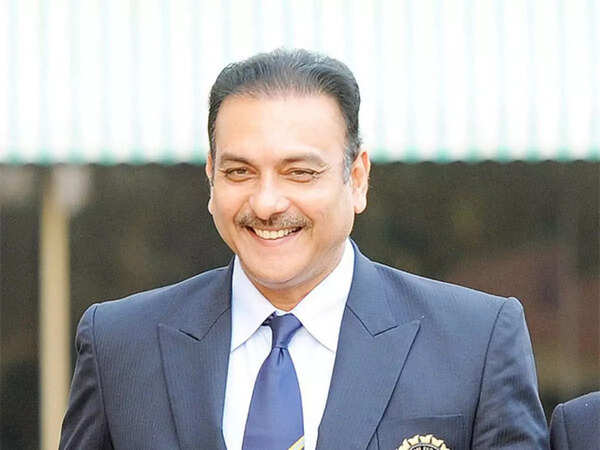
Ravi Shastri Urges India to manage Jasprit Bumrah’s workload ahead of the 2027 World Cup.
Ravi Shastri Urges the Indian team management to rethink how the pace spearhead is deployed across formats, warning that a careless approach could jeopardise the nation’s chances in the 2027 ODI World Cup. The former head coach’s blunt advice—”He should not play all three formats”—has ignited a fresh debate on player rotation, injury prevention, and strategic prioritisation.
In the weeks following the New Zealand Test series, Shastri’s comments have reverberated through dressing rooms, media panels, and fan forums. His core message is simple: protect Bumrah’s fitness, use him selectively, and give the Test side the edge it needs while still preserving his impact for the limited‑overs showdown in 2027.
Why Managing Bumrah Matters
The data is stark. Bumrah has missed the five‑match ODI series against New Zealand due to a lingering niggle, underscoring the fragility of his current fitness. Recurring injury concerns have already forced India to reconsider squad balance, and Shastri’s warning comes at a critical juncture when the team is juggling a packed calendar that includes Tests, ODIs, and T20Is.
Shastri’s rationale is anchored in two pillars:
- Test Cricket Priority: The upcoming New Zealand series is a litmus test for India’s red‑ball ambitions. By preserving Bumrah for the longer format, India can field a spearhead capable of exploiting New Zealand’s traditionally strong batting line‑up.
- World Cup Readiness: The 2027 ODI World Cup will be the ultimate stage. A fit, fresh Bumrah could be the difference between a quarter‑final exit and a title run.
Shastri’s advice aligns with a growing consensus among sports scientists that over‑use of fast bowlers accelerates wear and tear, especially on the lower back and knees.
Strategic Implications for India
Implementing Shastri’s directive will require a reshuffle of the bowling hierarchy. Young pacers like Umran Malik and Mohammed Siraj will need to shoulder more overs in the limited‑overs arena, while Bumrah is earmarked for high‑impact spells in Tests and the World Cup.
“He should not play all three formats,” Shastri reiterated in a recent interview, emphasizing that the Indian Board of Control for Cricket (BCCI) must adopt a nuanced workload model. This could mean:
- Limiting Bumrah to a maximum of 15 overs per ODI.
- Skipping him from the T20I circuit for the next 12 months.
- Deploying him as a strike bowler in the opening and death overs of Test matches.
Such a strategy could also open doors for emerging talent. The increased responsibility for Malik and Siraj not only diversifies India’s attack but also builds depth—an essential factor in a World Cup campaign where injuries can strike without warning.
From a tactical standpoint, preserving Bumrah’s pace and accuracy for the World Cup could force opposition teams to rethink their batting plans. Bumrah’s signature yorkers and slower balls have historically been match‑winning weapons; keeping him fresh ensures those weapons are available when the stakes are highest.
Potential Risks
While the plan is logical, it is not without pitfalls. Over‑reliance on less‑experienced bowlers in ODIs could expose gaps in death‑over execution. Moreover, the psychological impact on Bumrah—being sidelined from formats he enjoys—must be managed delicately.
Shastri’s own words hint at this balance: “We must carefully manage Jasprit Bumrah’s fitness in the build‑up to the 2027 ODI World Cup.” The emphasis on “carefully” suggests a collaborative approach involving medical staff, coaches, and the player himself.
FAQ
What formats does Ravi Shastri recommend Bumrah skip?
Shastri advises that Bumrah should not play all three formats. Specifically, he recommends limiting his participation in T20 Internationals and reducing his ODI workload, while prioritising Test cricket.
How will Bumrah’s reduced schedule affect India’s World Cup prospects?
By preserving his fitness, India aims to have a fully fit Bumrah for the 2027 World Cup, enhancing their bowling firepower during crucial matches. The trade‑off is a temporary dip in limited‑overs depth, which the team hopes to offset with emerging pacers.
What is the timeline for the proposed workload management?
The plan centers on the immediate future: Bumrah is likely to miss the upcoming five‑match ODI series against New Zealand and may be rested from the T20I calendar for the next year, returning in peak condition for the World Cup.
Final Thoughts
Ravi Shastri Urges a strategic recalibration of Jasprit Bumrah’s role, and the message resonates beyond a single player. It signals a shift toward sustainable cricketing practices, where long‑term success outweighs short‑term gains. If the BCCI can execute this plan effectively, India could enter the 2027 World Cup with a lethal, injury‑free spearhead—and a deeper, more resilient bowling unit ready to take on any challenge.


Leave a Reply