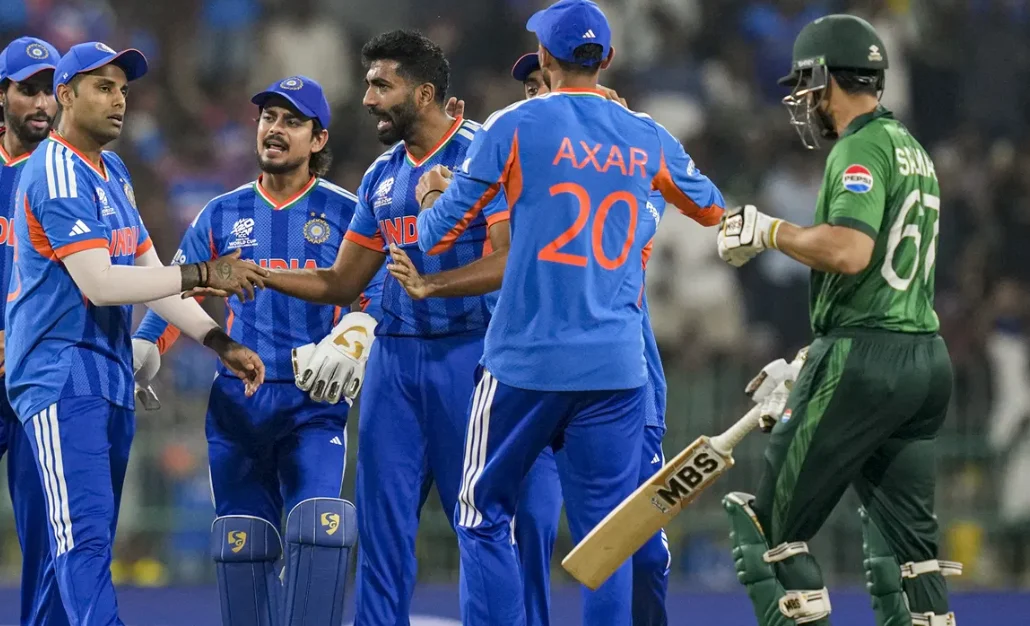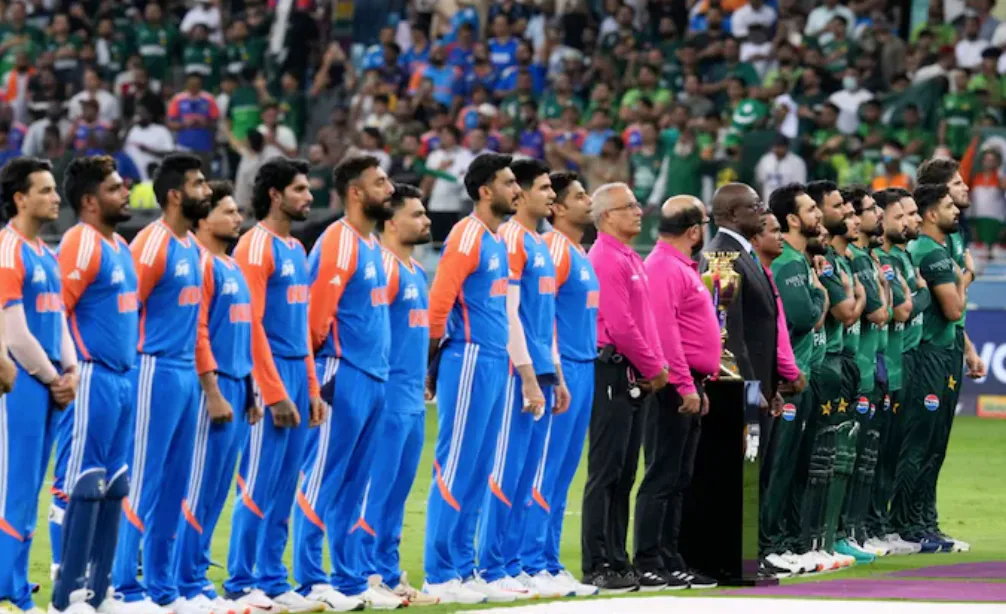

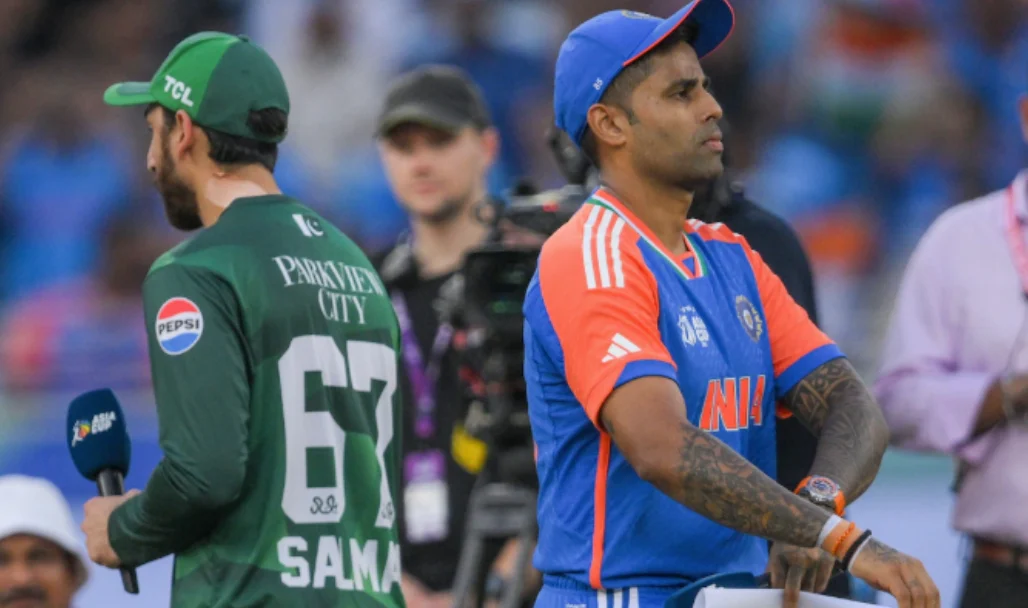
Pakistan’s ten-day standoff over playing India at the 2026 T20 World Cup ended late Monday after rapid-fire announcements from the Pakistan government and the ICC confirmed the high-profile group match will go ahead on February 15 in Colombo.
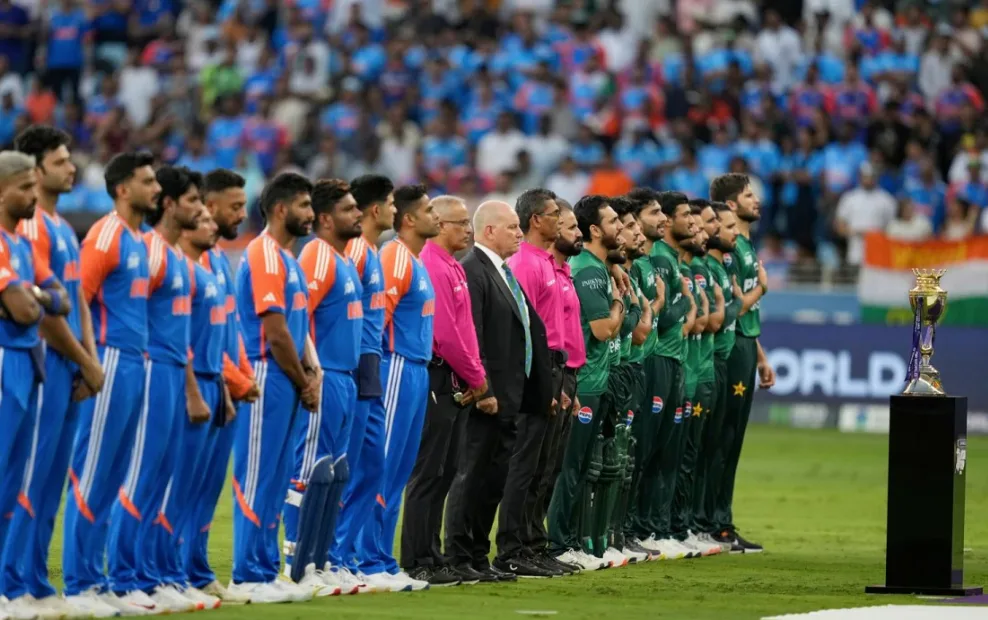
In its statement, the Pakistan government said several ICC members, including Sri Lanka and the UAE, had urged the Pakistan Cricket Board (PCB) not to boycott the fixture, warning of the financial consequences for other nations. It also revealed that Prime Minister Shehbaz Sharif had discussed the matter with Sri Lankan President Kumara Dissanayake.
The government said Pakistan would take the field “to protect the spirit of cricket” and to support the continuity of the global game. Soon after, the ICC confirmed that talks with the PCB had been successful, stressing unity among member nations and the need to honour participation commitments to ensure the tournament’s success.
Pakistan’s original boycott threat had been linked to Bangladesh’s earlier exclusion from the event, which PCB chairman Mohsin Naqvi had criticised as unfair treatment by the ICC. Negotiations among the ICC, PCB and Bangladesh board continued for nearly two weeks, with Pakistan pushing for a resolution that also addressed Bangladesh’s situation. The PCB was the only board other than Bangladesh’s to oppose their removal at an ICC meeting.
Talks intensified after Pakistan said it would play in the tournament but not against India, culminating in a meeting in Lahore involving Naqvi, Bangladesh chairman Aminul Islam and ICC director Imran Khawaja. On Monday evening, momentum shifted quickly: the ICC confirmed Bangladesh would face no penalty and granted them hosting rights for another future tournament, prompting Bangladesh to thank Pakistan and request they play India.
Shortly afterward, Pakistan’s government confirmed the match would proceed, effectively ending the dispute.