

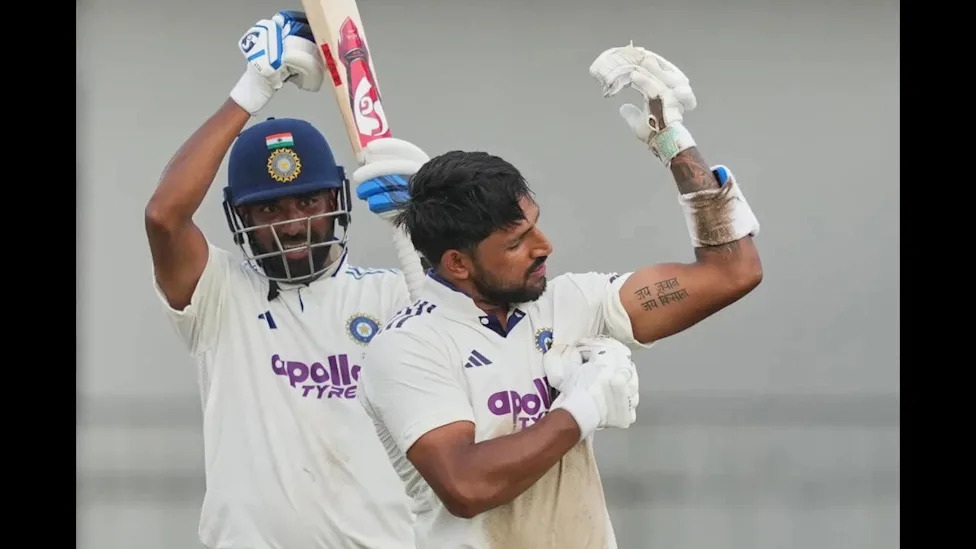
Indias Colombo Test began with a thunder‑clap of intent as captain Shubman Gill won the toss and chose to bat, signalling a clear message to a beleaguered Sri Lankan side.
First innings fireworks
India’s opening partnership set the tone, but it was Devdutt Padikkal’s masterclass that stole the headlines. The young left‑hander compiled a scintillating 117 off 193 balls, pushing the scoreboard to 300‑5 at the close of day one. “India has the advantage, the momentum and the depth,” a United News of India analyst observed, underscoring the team’s growing confidence.
Padikkal’s century was the second test hundred of the series for the Indian batsman, cementing his reputation as a reliable top‑order anchor. The innings was built on a blend of textbook drives and deft late‑cut flicks, allowing India to weather the early swing of the Colombo pitch.
When the second new ball was rolled after 80 overs, Sri Lanka’s bowlers hoped to extract extra bounce, but Padikkal’s composure remained unshaken. The partnership with the middle order added valuable runs, laying a solid foundation for a commanding total.
Sri Lanka’s batting under pressure
The Sri Lankan side entered the field with their backs to the wall, as highlighted by pre‑match commentary. The “Sri Lanka have their back to the wall” sentiment echoed across pundit circles, reflecting concerns over the depth of their batting lineup.
Rain‑truncated play on the second day at the SSC ground added a layer of complexity, limiting Sri Lanka’s opportunity to respond in kind. The live blog noted that the weather forced a shortened session, yet India still managed to solidify their first‑innings lead.
Pitch reports suggested a surface that would aid seamers early on, gradually flattening out to become batting‑friendly. Sri Lanka’s bowlers, however, struggled to capitalize on the early assistance, allowing India to post a formidable total.
Impact on the series and future contests
With the Indias Colombo Test now firmly in the books, the series narrative has shifted. India’s depth, highlighted by Padikkal’s hundred and the steady contributions from the top order, positions them as favorites for the remaining fixtures.
For Sri Lanka, the defeat raises fresh questions about their batting resilience. Analysts point to the need for a deeper middle order capable of handling pressure situations, especially when early wickets fall.
Looking ahead, the momentum gained from this win could influence team selections, with India likely to retain the successful opening combination while Sri Lanka may be forced to rethink their batting order.
- India’s first‑innings total: 300‑5 at stumps.
- Padikkal’s contribution: 117 runs off 193 balls.
- Key tactical decision: Gill’s choice to bat first.
- External factor: Rain‑truncated second day limited play.
FAQ
What was the decisive factor in India’s dominance?
The combination of a solid opening partnership, Padikkal’s century, and the strategic decision to bat first gave India control over the match tempo, allowing them to dictate terms on a pitch that initially favoured seamers.
How did weather affect the match?
Rain on the second day curtailed play, reducing the time Sri Lanka had to mount a comeback. This interruption amplified the pressure on their batting lineup, as they needed to score quickly once play resumed.
What does this result mean for Sri Lanka’s future tests?
The loss exposes vulnerabilities in Sri Lanka’s batting depth. To stay competitive, they will need to nurture younger talent and possibly reshuffle the order to add resilience against high‑quality bowling attacks.
Final Thoughts
The Indias Colombo Test has set a clear benchmark for both sides. India’s blend of experience and emerging talent has forged a path to series advantage, while Sri Lanka must confront the stark reality of a thin batting roster. As the series progresses, the strategic adjustments made in Colombo will echo through the remaining matches, shaping the destiny of both teams in this tightly contested contest.


Leave a Reply