

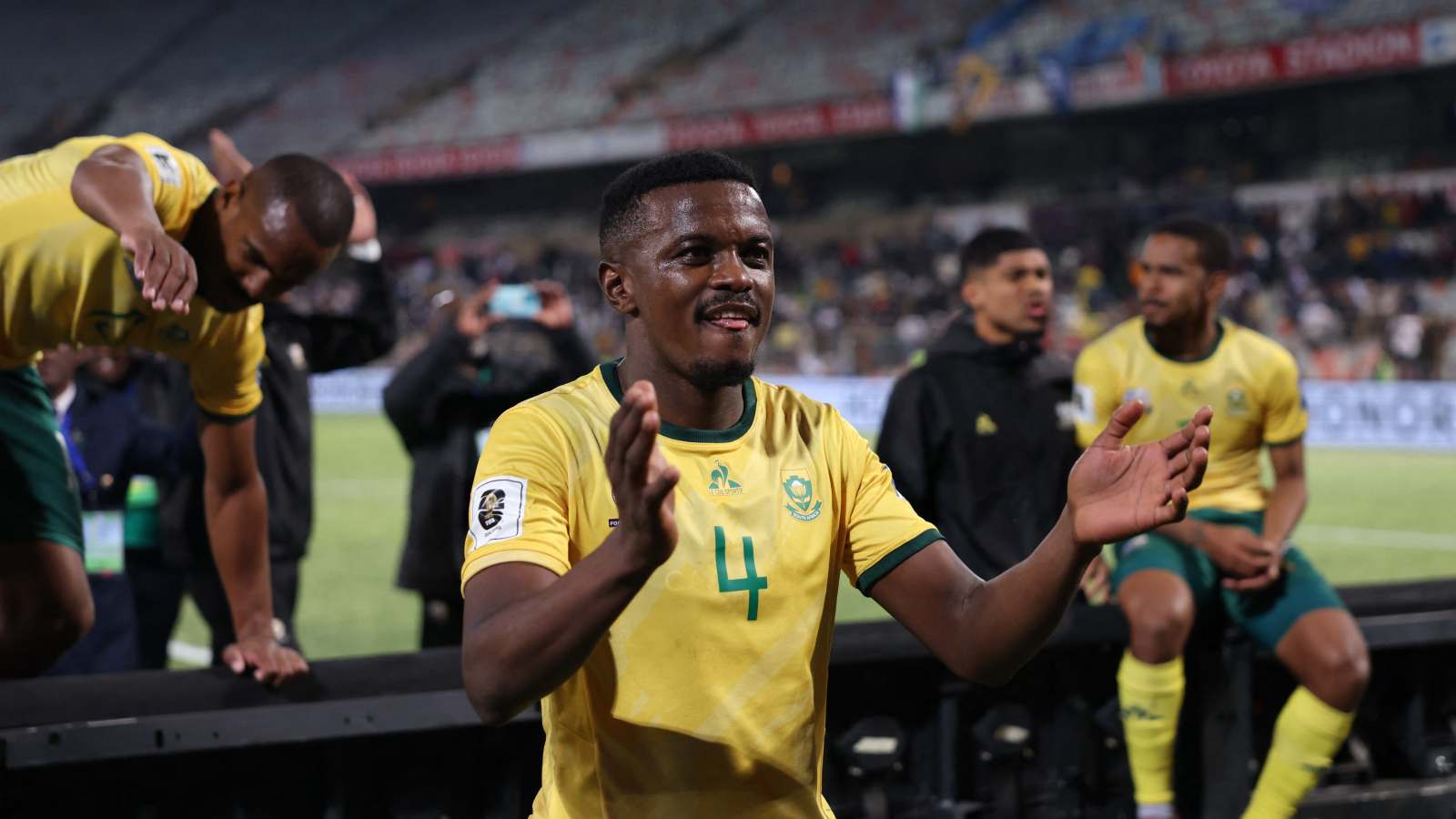
South Africa have secured top spot in CAF qualifying Group C and, with it, direct qualification for the 2026 FIFA World Cup, a decisive outcome that underlines their consistency throughout the campaign and reshapes the immediate outlook for Nigeria. The significance of the confirmed standings is straightforward: South Africa are through, while Nigeria must take the longer route after finishing as runners-up in the same group. That split carries major weight for both nations, rewarding South Africa’s command of the section and forcing Nigeria into another stage where the margin for error is far smaller. With the top of the group now settled, attention also turns to the next scheduled meeting between the sides, with South Africa due to host Nigeria in Bloemfontein on 9 September 2025.
- South Africa finished top of CAF qualifying Group C and qualified directly for the 2026 FIFA World Cup.
- Nigeria ended the group as runners-up rather than winners.
- Nigeria advanced to a second round or African play-off route for another chance to reach the tournament.
- South Africa are due to host Nigeria in a World Cup qualifying match in Bloemfontein on 9 September 2025.
- There is no verified basis in the available research for claims involving Ghana, the Women’s World Cup 2027, or Nigeria missing that competition.
South Africa take the direct path
Finishing first in a CAF qualifying group is the clearest statement a team can make over the course of a long campaign, and South Africa’s place at the top of Group C reflects exactly that. Direct qualification removes the uncertainty and pressure of additional rounds, allowing a nation to plan with greater confidence for the tournament itself rather than spending more months fighting to stay alive. In practical terms, it means South Africa have converted their group-stage work into a tangible reward, avoiding the complications that come with knockout-style or secondary qualification routes. For a team navigating the demands of African qualifying, that is a significant achievement in itself.
What stands out most from the confirmed information is not one dramatic result but the final order of the group. South Africa did enough across the section to finish above Nigeria, and in a group featuring a traditional heavyweight challenger, that matters. Topping the standings points to a campaign built on accumulation, discipline and the ability to handle key moments well enough to stay ahead over time. Even without match-by-match detail here, the broader conclusion is strong: South Africa were the most effective side in Group C when judged by the only metric that ultimately matters, the final table.
Direct qualification also changes the emotional and strategic landscape around the national team. Instead of facing immediate survival tests, South Africa can begin shifting their focus toward preparation, squad development and the level required at a global finals. Qualifying with enough certainty to create that breathing room is often invaluable, especially in a tournament cycle where planning windows can be limited. It allows coaches and players to think beyond simply getting there and toward how they want to compete once they arrive.
Nigeria face a more complicated road
For Nigeria, the outcome is more complicated but not terminal. Finishing as runners-up in Group C means they did not secure the automatic place reserved for the section winner, yet they remain alive through a second round or African play-off route. That distinction is crucial because it preserves hope while sharply increasing the difficulty of the task ahead. Instead of controlling their destiny through a first-place finish, Nigeria now move into a stage where every detail carries greater pressure and where the room to recover from mistakes is reduced.
The difference between first and second in this context is not merely administrative; it affects momentum, preparation and perception. A direct qualifier can frame the campaign as a completed success, while a runner-up must immediately pivot into another competitive phase with qualification still unresolved. Nigeria therefore move forward carrying both opportunity and burden. They still have a path to the 2026 FIFA World Cup, but it is a route that demands resilience and composure because the safety net of topping the group has gone.
There is also an important point of clarity around the wider discussion. The verified research supports South Africa’s direct qualification and Nigeria’s progression into a further qualifying route, but it does not support claims involving Ghana, the Women’s World Cup 2027, or Nigeria missing that competition. In a qualification cycle where narratives can quickly become muddled, sticking to the confirmed facts matters. The established picture is specific: this is about CAF qualifying for the 2026 FIFA World Cup, with South Africa first and Nigeria second in Group C.
The scheduled meeting in Bloemfontein on 9 September 2025 adds another layer of intrigue to the rivalry between the two teams. Even with South Africa already confirmed as group winners in the verified information, any World Cup qualifying fixture between these nations carries competitive and symbolic significance. Hosting the match gives South Africa the chance to reinforce their authority on home soil, while Nigeria have an opportunity to test themselves against the team that finished above them. Such fixtures often serve not only as contests for points, but also as markers of where each side stands psychologically and tactically within the broader African landscape.
From a wider CAF perspective, the split outcome between these teams illustrates just how fine the margins can be in qualification. One side earns the certainty of a direct ticket, while the other must continue through another layer of competition despite remaining one of the stronger names in the region. That tension is part of what makes the African qualifying process so demanding. South Africa have earned the reward of clarity; Nigeria must now embrace uncertainty and prove they can navigate it.
Looking ahead, South Africa can approach the next phase with the confidence that comes from a job completed, while Nigeria’s focus turns to maximising their second chance through the play-off route. The upcoming fixture in Bloemfontein offers the next concrete point in the story, and it will be watched closely as a meeting between the group winners and the runners-up still fighting for their place. For now, the confirmed state of play is straightforward and significant: South Africa are through to the 2026 FIFA World Cup, and Nigeria remain in the race, but with a tougher road still to travel.

Leave a Reply