

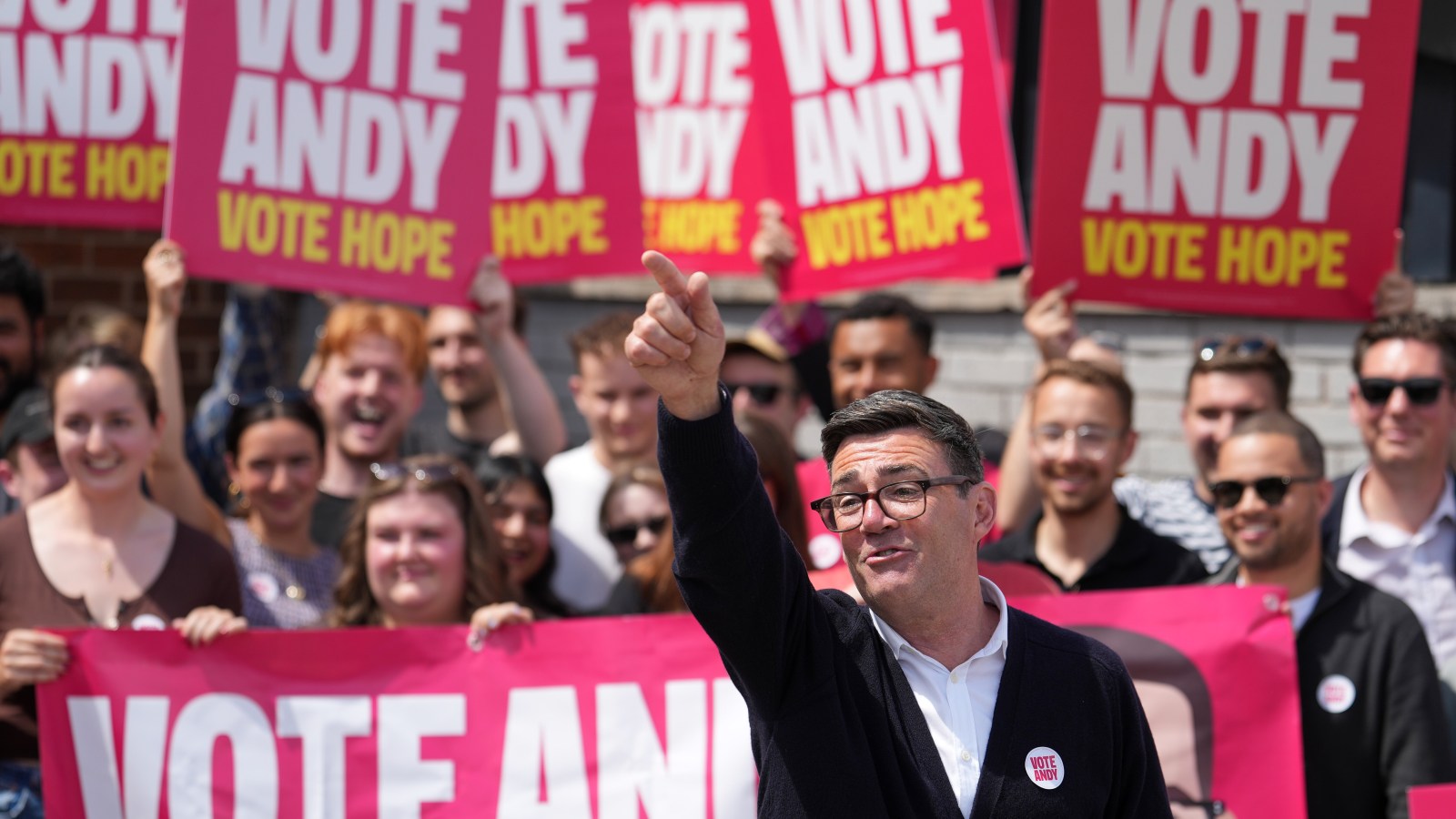
Andy Burnham has intensified his criticism of FIFA president Gianni Infantino, declaring that Infantino is “the wrong man” to lead the organization as the fallout continues from a controversial World Cup investment proposal. The dispute has become one of the most politically charged off-field issues in planning for FIFA World Cup 2026 because it cuts to the core of who controls the game’s biggest tournament and how its future revenues are managed. Burnham has made clear that he does not believe football can simply “move on and forget” the attempt to sell stakes in the World Cup to a private equity group. Although FIFA has since scrapped the private investment plan after a backlash, the debate has shifted from whether the proposal will proceed to what its very existence says about the leadership shaping the sport’s future.
- Andy Burnham says Gianni Infantino is “the wrong man” to lead FIFA.
- Burnham has also called on Infantino to resign over the World Cup investment plan.
- The dispute centers on a proposal to sell stakes in the World Cup to a private equity group.
- Burnham says football cannot simply “move on and forget” the plan.
- Infantino had been pushing a proposal involving a $20 billion FIFA subsidiary tied to future World Cups and Club World Cups before FIFA scrapped the plan after backlash.
Why the dispute has become so significant
Burnham’s latest intervention matters because it casts the abandoned proposal not as a misjudged business exercise, but as a fundamental test of FIFA’s stewardship. The World Cup is the centerpiece of the global game, and any attempt to place part of its value into an external investment structure inevitably raises questions about governance, accountability and long-term control. By arguing that football cannot simply forget what was proposed, Burnham is pushing the debate beyond FIFA’s retreat and into a broader examination of priorities at the top of the sport. That makes this more than a passing disagreement over finance; it becomes a direct challenge to the vision and judgment of FIFA’s leadership ahead of the 2026 tournament cycle.
The plan at the center of the row was not a minor administrative adjustment. Infantino had been pushing a proposal involving a $20 billion FIFA subsidiary tied to future World Cups and Club World Cups, a scale that underlined how transformative the idea could have been. Even though the plan will not go ahead, the size of the proposal helps explain why the reaction was so sharp and why Burnham’s criticism has remained so forceful. A project of that magnitude would have affected the commercial future of FIFA’s flagship competitions, making it impossible to dismiss the backlash as a routine disagreement over strategy.
That is also why the issue has carried such weight around World Cup 2026 planning. The tournament is not only the sport’s showpiece event; it is also a vast commercial and institutional undertaking. Any suggestion that future revenues or ownership interests could be reshaped through private investment touches on far more than accounting or corporate structure. It raises broader concerns about the balance between commercial ambition and custodianship of the game’s most valuable competition. Burnham’s argument has landed with force because it speaks directly to that tension.
Even with the proposal now abandoned, the political significance of the episode has not faded. FIFA may have stepped back from the plan, but the fact that it was advanced at all continues to invite scrutiny. Critics are not simply asking why the proposal failed; they are asking why it was pursued in the first place and what that says about decision-making at the top of the organization. Burnham’s refusal to let the matter drop ensures that those questions remain central to the conversation rather than being absorbed into the normal churn of pre-tournament politics.
What Burnham’s criticism says about FIFA’s direction
Burnham’s stance is especially pointed because he has moved beyond criticizing the proposal itself and directly targeted Infantino’s position. Calling the FIFA president “the wrong man” to lead the organization, and separately calling for him to resign, turns the issue into a referendum on leadership rather than a debate over a single policy. That escalation suggests Burnham sees the investment plan as evidence of a broader problem in how major decisions are conceived and pursued. In that context, FIFA’s decision to scrap the proposal after backlash may have removed the immediate threat of private investment in the World Cup, but it has not erased the political damage attached to the episode.
There is also a deeper tension in the language Burnham has used. His insistence that football cannot “move on and forget” reflects a belief that abandoning the plan does not automatically restore trust. For critics, the central question is not only why the proposal was withdrawn, but what its development reveals about the values shaping FIFA’s commercial strategy. That is why this story continues to resonate across the World Cup 2026 landscape: the tournament is not just a sporting event in preparation, but a major economic and institutional project, and disputes over its ownership model carry consequences well beyond the boardroom.
For FIFA, the challenge now is that scrapping the plan may end one controversy while leaving a broader credibility issue unresolved. The backlash was strong enough to force a retreat, indicating that the proposal met serious resistance. Yet once a governing body is seen to have explored selling stakes in its premier competition, questions naturally follow about what alternatives might emerge in the future and how secure existing principles really are. Burnham’s criticism keeps that pressure alive, ensuring the focus remains on governance standards and the limits of commercialization rather than simply on the technical fact that the proposal is no longer active.
From a World Cup 2026 perspective, the timing matters because the build-up to the tournament is supposed to project stability, ambition and confidence. Instead, this dispute has placed governance under the spotlight and prompted renewed scrutiny of FIFA’s strategic direction. Burnham’s comments sharpen that scrutiny by linking the failed investment plan directly to Infantino’s suitability to lead. Even without new financial details emerging, the political effect is significant: the story now centers on whether FIFA can reassure stakeholders that the World Cup’s future will not be shaped by similar proposals, and whether its leadership can deliver that message convincingly after this episode.
What happens next is likely to be defined less by the mechanics of the scrapped proposal and more by the pressure for accountability that follows it. Burnham has made clear that he does not consider the matter closed, and his demand for Infantino to step aside ensures the issue remains live in the wider debate over FIFA’s future. For FIFA, the immediate task is to steady the narrative around World Cup 2026 and show that the abandoned investment plan will not cast a longer shadow over tournament preparations. But as long as critics continue to argue that the proposal revealed something fundamental about the organization’s direction, this controversy will remain part of the conversation on the road to the next World Cup.

Leave a Reply