

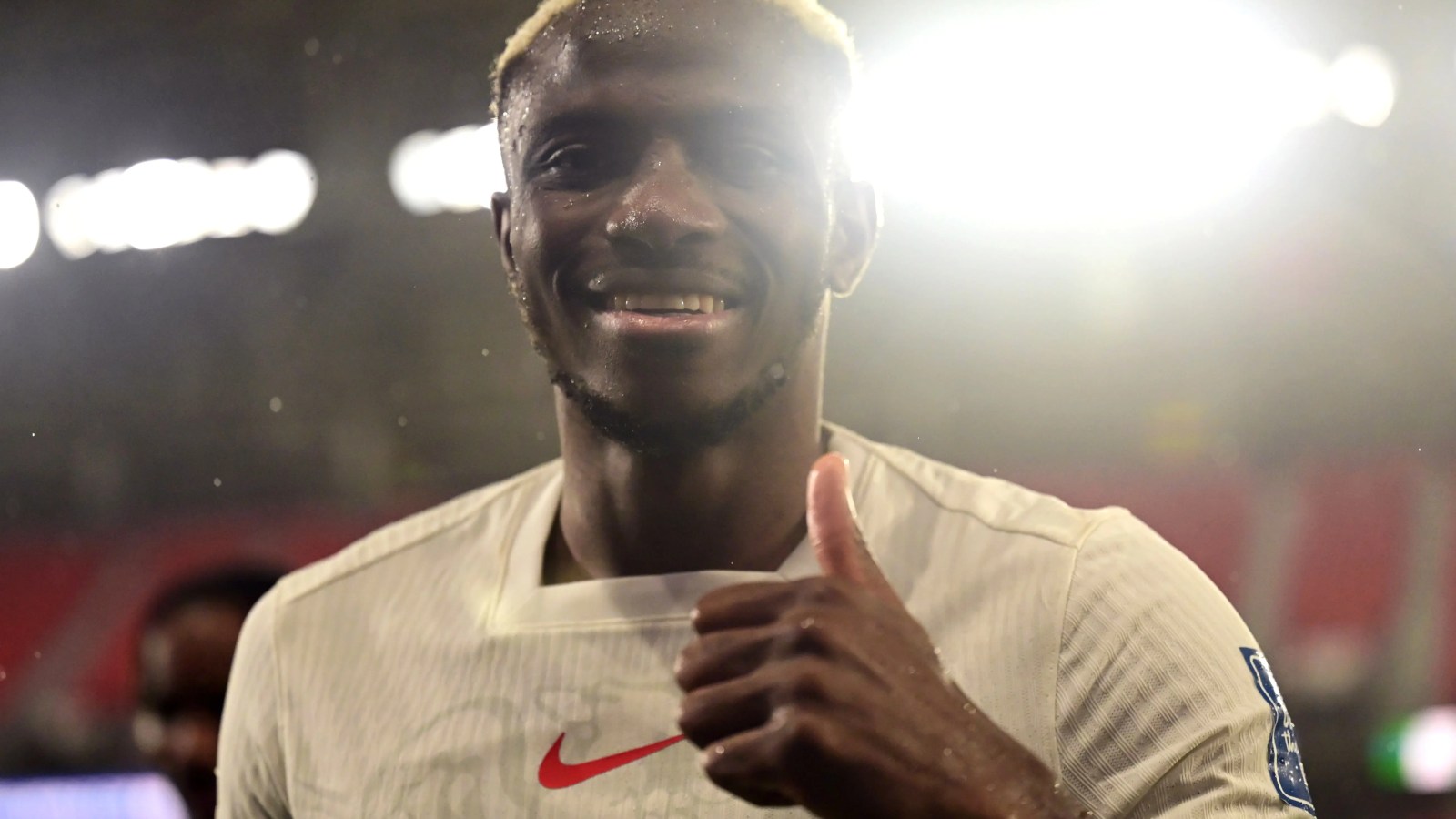
Nigeria’s absence from the 2026 FIFA World Cup remains the defining reality for one of African football’s biggest names, with the expanded 48-team tournament and a record allocation of 10 African places still not enough to carry the Super Eagles into the finals. The significance stretches well beyond a single qualifying cycle, because it underlines the scale of a missed opportunity in a competition designed to open the door wider than ever before. It also reshapes how Nigeria will be connected to the tournament: not through its own national team, but through players of Nigerian descent who are set to feature for other countries. In that sense, the standout fact is not a late twist or a revived campaign, but the hard finality of non-qualification.
- Nigeria did not qualify for the 2026 FIFA World Cup.
- The 2026 tournament expands to 48 teams, with a record 10 African nations included.
- Despite that larger allocation, Nigeria still failed to secure a place at the finals.
- Nigerian football is still expected to have a presence at the tournament through players of Nigerian descent representing other countries.
- There is no verified basis in the available research for claims involving Asisat Oshoala, Wafcon 2026, or a Nigerian bid to host the 2027 Women’s World Cup.
A missed opening in an expanded tournament
The central sporting development is stark: Nigeria will not be part of the men’s World Cup in 2026, even though the competition has grown significantly. Expansion to 48 teams was expected to alter the landscape for many nations on the edge of qualification, especially in Africa, where 10 teams will now reach the finals. For a country of Nigeria’s profile, history and expectation, that increase should have created a more navigable route. Instead, the enlarged field only sharpens the sense that this was a qualifying campaign that slipped away in a cycle offering more margin for error than ever before.
That is why the story carries weight beyond the simple fact of elimination. Missing out in a 32-team World Cup is one thing; failing to qualify when the field has widened and Africa’s representation has reached a record level is another. It inevitably raises questions about where Nigeria stands within the continent’s changing competitive order. The expanded format was meant to reward depth and consistency across qualifying, and Nigeria’s failure to claim one of those places leaves a significant gap in the final tournament lineup. For supporters, the disappointment is amplified because the structure appeared to offer a clearer path than in previous editions.
There is also a broader World Cup dimension to this outcome. Nigeria has long been one of the most recognisable African names on the global stage, and its absence changes part of the tournament’s traditional texture. A World Cup featuring more African sides but not Nigeria is a reminder that expansion does not guarantee the presence of the continent’s established powers. Instead, it can accelerate change by creating opportunities for others while exposing any inconsistency from teams expected to qualify. That dynamic makes Nigeria’s omission one of the more notable absences from the 2026 field.
What Nigeria’s absence means on the global stage
Even without a qualified national team, Nigeria’s football influence will not disappear entirely from the tournament. The verified picture indicates that players of Nigerian descent will still be involved for other countries, ensuring that Nigerian heritage remains visible on the sport’s biggest stage. That is a meaningful distinction because it reflects the breadth of Nigeria’s football footprint, one that extends beyond the national setup itself. Yet it is also a bittersweet form of representation, because it highlights talent connections to Nigeria without delivering the collective presence and identity that only a World Cup place can provide.
For the tournament itself, that creates an unusual contrast. Nigeria’s name will be absent from the official list of qualified teams, but its influence will still be felt indirectly through individual players elsewhere in the competition. That kind of dispersed presence can generate interest and pride, but it does not replace the significance of seeing the national flag, hearing the anthem and following a team through the group stage and beyond. In practical terms, it means Nigeria’s World Cup conversation will be framed more by what might have been than by tactical matchups, squad debates or knockout-stage ambitions. The emotional register is therefore very different from a normal tournament cycle.
The lack of verification around wider claims in circulation is also important. There is no confirmed basis in the available research for assertions involving Asisat Oshoala, Wafcon 2026 or any Nigerian bid to host the 2027 Women’s World Cup. That matters because it separates a clear, reportable football reality from speculation that is not supported by the verified material. The confirmed story is the men’s World Cup picture: Nigeria did not qualify, and the country’s link to the 2026 finals will instead come through players of Nigerian descent representing other nations. Anything beyond that would go further than the verified record supports.
From a national perspective, the implications are significant. World Cup qualification affects sporting prestige, planning cycles and the wider mood around a national team, especially in a football country where expectations are consistently high. Missing a tournament of this size and visibility means Nigeria will spend the build-up to 2026 looking inward rather than preparing for the world stage. It also places extra importance on the next competitive steps, because the response to this setback will shape how quickly the team can reassert itself. The expanded World Cup was meant to be an opening; instead, it has become a marker of a campaign that fell short when the margin for success was larger than before.
What comes next is less about revisiting unverified claims and more about confronting the confirmed reality. Nigeria’s immediate World Cup future is settled, and attention now turns to how the country rebuilds its standing after failing to take advantage of a historic expansion in places. The 2026 tournament will proceed without the Super Eagles, even as Nigerian football retains a secondary presence through players of Nigerian descent in other squads. For a nation accustomed to thinking in terms of qualification and impact, that is a sobering outcome, and the challenge now is to ensure this absence becomes an exception rather than a trend.

Leave a Reply