

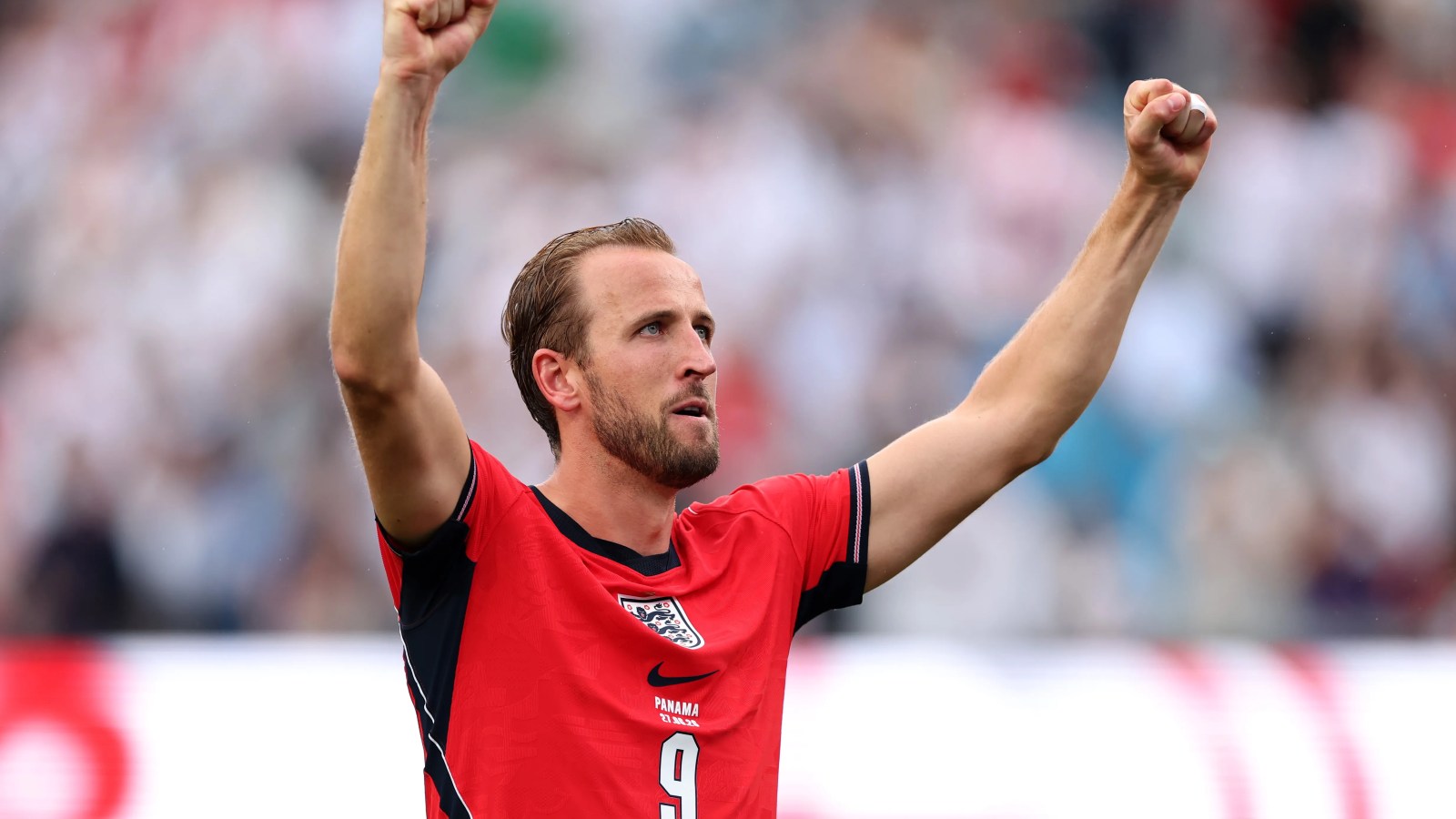
England’s 2026 World Cup campaign is coming into sharper focus as confirmed tournament information places the team firmly on course for a major summer in North America, with a fixture at Boston Stadium on 23 June 2026 standing out as a significant marker in the group-stage calendar. Broader claims around supporter guidance and comparisons with fan behaviour elsewhere are not supported by the verified record, but the central picture is clear: England are active participants in the tournament and have official team and fixtures pages in place. That shifts the emphasis back where it belongs, onto the football itself: the shape of England’s programme, the importance of each date, and the challenge of building momentum in a World Cup that will demand consistency over several weeks. Harry Kane remains the standout figure in that discussion, with the captain’s view that England can still improve underlining both the standards inside the camp and the sense that more will be required as the competition develops.
- England are confirmed participants in the 2026 World Cup and have official team and fixtures pages on FIFA’s tournament site.
- A World Cup fixture involving England is listed at Boston Stadium on 23 June 2026.
- Verified tournament information shows England are active in the competition and progressing through their schedule.
- Harry Kane has indicated that England believe they can still improve during the tournament.
- Claims that fans in the UK have been urged to follow the example of supporters in the US are not supported by the verified research.
England’s tournament picture becomes clearer
The most important development here is not an off-field talking point but the confirmation of England’s place and planning within the 2026 World Cup itself. Official tournament listings establish that England are in the competition and that their fixtures form part of the expanding match calendar across the host venues. A date at Boston Stadium on 23 June 2026 gives supporters, staff and rivals a concrete reference point in the group stage, and in tournament football those anchor dates matter. They shape travel, preparation, recovery cycles and the broader rhythm of a campaign that can turn quickly on fine margins.
For England, that scheduling clarity is especially significant because World Cups are often defined as much by how leading contenders manage the spaces between matches as by the matches themselves. The group phase is not only about collecting the results required to advance; it is also about finding the right tempo, balancing freshness with continuity, and ensuring performances improve rather than plateau. A late-June fixture can carry major weight depending on the state of the group at that point, whether it becomes a decider for qualification, an opportunity to secure position or a test of composure under pressure. Even without additional verified details on opponents or outcomes, the confirmed date alone places England within a meaningful competitive framework.
That is why Kane’s assessment that England can still improve is such an important thread running through the story. Tournament teams rarely arrive at their peak in the opening days and simply remain there; more often, the strongest sides are those that grow into the event. Improvement can take several forms: sharper attacking combinations, better control in midfield, stronger defensive spacing or a more ruthless edge in decisive moments. Kane’s stance points to a group that is not satisfied simply to be present in the competition and instead recognises that a deep World Cup run usually demands evolution from one game to the next.
There is also a practical value in knowing where one of the key dates sits within the wider campaign. Once a fixture is fixed in the public schedule, it becomes part of the team’s competitive landscape, not just a line on a calendar. Coaches can map workloads more precisely, players can frame their recovery around known demands and the wider operation around the squad gains a clearer sense of sequence. In a tournament setting, where momentum and preparation are closely linked, that kind of certainty can be meaningful.
Why the emphasis remains on performance, not noise
The unsupported claim about England fans in the UK being urged to follow the example of supporters in the US is notable mainly because it underlines the need to separate verified tournament facts from speculation or narrative-building. There is no confirmed basis in the research for that comparison, and that leaves the football as the only solid ground for analysis. England’s official presence on the tournament site, the existence of their fixtures page, the listed Boston Stadium date and the indication of ongoing progress are the elements that can be reported with confidence. In a World Cup year, that discipline matters, because the noise around a national team can easily outrun the facts.
On the pitch, the broader implication is that England remain in a phase where refinement may be just as important as results. Kane’s suggestion that there is room to improve hints at a squad fully aware of the margins at elite level. Teams that expect to challenge in the latter rounds need more than isolated good spells; they need repeatable control, the ability to manage momentum swings and enough attacking clarity to turn territorial pressure into decisive moments. Improvement, in that sense, is not an admission of weakness but an acknowledgement of the standard required to survive a tournament in which every knockout round raises the level again.
The Boston Stadium fixture also carries practical significance beyond a single date on the calendar. In a tournament spread across major venues, each confirmed stop becomes part of the campaign’s identity, shaping the atmosphere around the team and the logistical demands placed on the squad. Players and staff must adapt not only to opponents but also to travel patterns, stadium environments and the emotional temperature that surrounds a national side at a World Cup. England’s ability to stay settled through that process could be every bit as important as any tactical adjustment, particularly if the group-stage schedule leaves little margin for disruption.
There is a wider competitive context to consider as well. When a team of England’s stature enters a World Cup, expectation is never limited to participation; every fixture is measured against the possibility of a long run. That creates pressure, but it also creates opportunity, because a side that remains self-critical while still moving forward can be dangerous. The verified indication that England are progressing, combined with Kane’s insistence on further improvement, suggests a campaign that is still building rather than one that believes the hard work is already done. In tournament terms, that mindset can be valuable, particularly if the team are seeking to peak at exactly the moment the stakes become highest.
What comes next is straightforward in outline, even if the details of each challenge will only sharpen closer to kick-off. England’s official tournament path continues, with the 23 June 2026 date at Boston Stadium already standing as one of the key reference points in their World Cup schedule. Between now and then, the central questions will revolve around performance level, consistency and whether the improvements Kane has pointed to can be translated into the kind of authority required in the latter stages. For now, the verified picture is clear enough: England are in the tournament, their campaign calendar is taking shape, and the focus belongs on how far they can turn steady progress into something more substantial.



Leave a Reply