

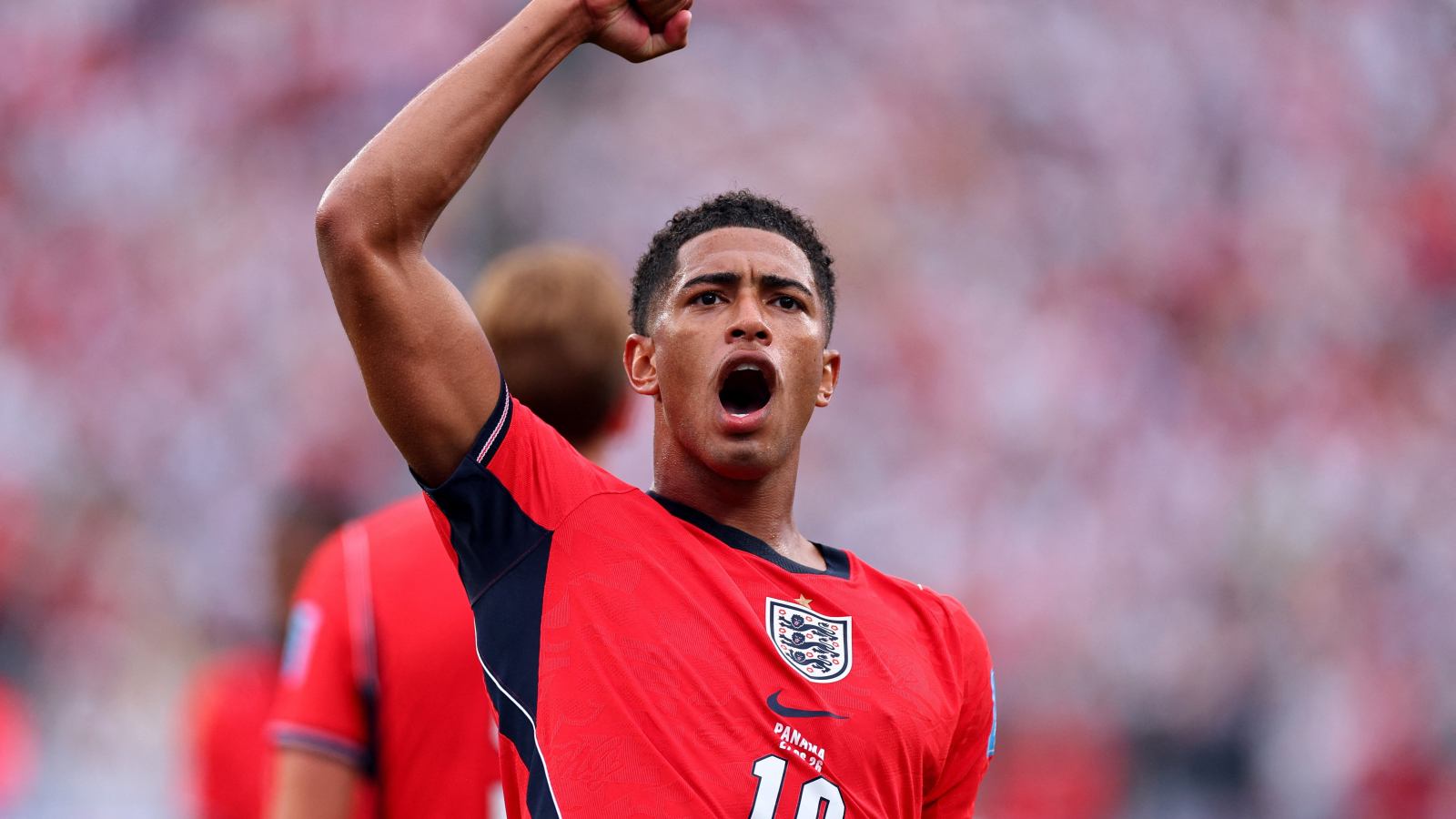
England head into their World Cup quarter-final against Norway with momentum, star quality and an increasingly delicate disciplinary issue that could shape the rest of their tournament. The immediate task is simple enough: win and reach the semi-finals. Yet the broader significance of this tie extends beyond the result, because England have several players walking a suspension tightrope and could still pay a heavy price even in victory. Jude Bellingham is among those at risk of missing the semi-final if England progress, and Harry Kane’s status has also become part of the wider conversation around England’s disciplinary exposure. That tension gives this quarter-final an added edge, particularly because Bellingham and Kane have been so central to England’s run to the last eight.
- England have reached the World Cup quarter-finals and now face Norway for a place in the semi-finals.
- Five England players are at risk of a semi-final suspension if England progress from the quarter-final.
- Jude Bellingham is among the England players in danger of a ban, while Harry Kane is also part of the broader suspension discussion.
- Bellingham and Kane have both been central figures in England’s run to the last eight.
- Ten of England’s 11 World Cup goals have come from Kane or Bellingham, underlining how much the attack has depended on the pair.
Discipline becomes part of the quarter-final equation
Quarter-finals are usually framed in straightforward terms: survive the occasion, win the game and keep the dream alive. England’s meeting with Norway still carries that basic logic, but the suspension picture makes the calculation more complicated than usual. With five players at risk of missing the semi-final, every challenge, every tactical foul and every moment of frustration carries consequences beyond the final whistle. That does not mean England can afford to play within themselves, but it does mean control may matter almost as much as intensity.
Bellingham’s place among the players at risk is especially significant because of the way he influences England in multiple phases of a match. He is not simply a scorer or creator in isolation; he is one of the players who links midfield and attack, drives the team forward and gives England authority in major moments. When a figure of that importance enters a knockout game under threat of suspension, the balance becomes difficult. England need his edge and ambition to beat Norway, but they also know that one mistimed challenge or one avoidable booking could remove a central figure from a potential semi-final.
Kane’s role in the discussion adds another layer because England’s tournament output has been so heavily concentrated around him and Bellingham. Ten of England’s 11 World Cup goals have come from those two players, a striking figure that captures both their quality and England’s reliance on them. In one sense, that is encouraging, because knockout football often turns on whether a team’s elite players deliver under pressure. In another, it raises concern, because any threat to the availability of either player would alter the shape of England’s attack and the confidence with which they approach the next round.
Bellingham and Kane remain the pillars of England’s run
The fact that Kane and Bellingham have supplied 10 of England’s 11 goals says a great deal about how this campaign has unfolded. It points to efficiency and star power, but it also reveals a side whose decisive moments have largely flowed through two men. That can be a strength in knockout football, where clarity of responsibility often helps teams handle pressure. England know where their biggest moments are likely to come from, and opponents know they must still find a way to stop them. Norway’s task, therefore, is not simply to contain England in broad terms, but to limit the influence of the two players who have defined the team’s route to the quarter-finals.
For England, that reality should shape the tactical priorities of the match. They will want to create situations in which Kane and Bellingham can influence the game without being drawn into unnecessary confrontations or risky defensive actions. That may require cleaner possession, better spacing and a sharper collective structure around them, so that neither player feels compelled to force moments that are not there. The more England can dictate the rhythm, the less likely they are to expose their most important figures to the kind of incidents that lead to bookings. In a knockout match loaded with emotion, calm may be one of their greatest weapons.
There is also a psychological challenge to manage. Players who know they are one booking away from a ban can sometimes become hesitant, second-guessing tackles or pulling out of duels they would normally attack with conviction. Others react in the opposite way and try to ignore the danger entirely, increasing the risk of the kind of rash decision that can change a tournament. England’s coaching staff will want the middle ground: full commitment without recklessness, aggression without a loss of control. That is easier to describe than to execute, especially in a quarter-final where margins are thin and momentum can swing quickly.
Norway, meanwhile, will understand that England’s disciplinary situation creates a possible pressure point, even if it does not alter the quality of the opposition. Any match against a side carrying several suspension risks becomes a test of composure as much as talent. If England are forced into repeated defensive actions or emotionally charged passages of play, the danger of a costly booking rises. That does not diminish England’s status as a formidable quarter-finalist, but it does mean the contest may be shaped by details that go beyond attacking quality alone. The team that manages those details better will give itself the stronger platform to progress.
All of that makes this quarter-final feel like a hinge moment in England’s campaign. Reaching the last eight confirms the strength of their tournament so far, and the influence of Bellingham and Kane has been impossible to miss. Yet knockout football rarely rewards teams for what they have already done; it demands fresh solutions under greater pressure. England now need another decisive performance from their leading figures, but they also need enough collective discipline to ensure that success against Norway does not immediately create a new problem before the semi-finals even begin.
What comes next is straightforward in format but complex in implication. England face Norway for a place in the World Cup semi-finals, knowing that progress would keep the dream alive while also bringing the suspension issue into even sharper focus. Bellingham and Kane remain the players around whom the campaign turns, and their contribution has carried England to this stage. If they can guide England through the quarter-final while staying available for the next round, England will emerge not only with momentum but with a far stronger platform for the final push.



Leave a Reply