

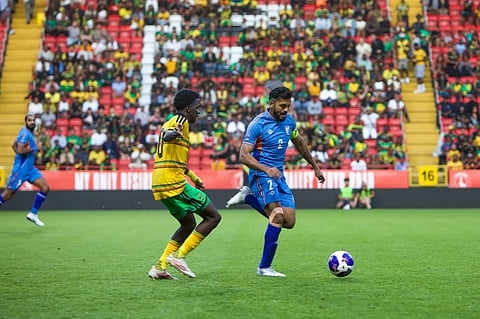
India Fall 0-2 Behind South Korea in Davis Cup Qualifier Tie – A Shock Start for the Indians
India Fall 0-2 behind South Korea in the Davis Cup Qualifier tie in Seoul, and the shock reverberated through the Indian camp from the first serve. The opening day saw world No. 367 Dhakshineswar Suresh tumble to 157th‑ranked Kwon Soon‑woo, while veteran Hyeon Chung edged out Sumit Nagal in a three‑set thriller. The 0‑2 deficit set the tone for a tie that would ultimately end 1‑3, dashing India’s hopes of reaching the coveted Final 8.
Day One Drama: Singles Slip Away
Dhakshineswar Suresh opened the tie with a promising 6‑3 first set against Kwon Soon‑woo, but the Korean rallied to claim the next two sets 6‑3, 6‑4. The match, played on Seoul’s low‑and‑slow courts, highlighted the difficulty Indian players faced adjusting to the surface and the crowd’s energy.
“I felt the ball staying low and the humidity sapping my stamina,” Suresh said in the post‑match interview. “Kwon’s consistency forced me to chase every point, and I ran out of gas in the third set.”
In the second rubber, Sumit Nagal took an early lead, snatching the opening set 6‑2. However, Hyeon Chung fought back, taking the next two sets 6‑4, 7‑5. Nagal’s aggressive forehand produced a spectacular point at 5‑5 in the decider, but a lunging retrieve could not prevent Chung’s comeback.
“I saw an opening at 5‑5 and went for the winner, but the rally went long,” Nagal recalled. “Chung’s experience in tight moments made the difference.”
Turning Point in the Doubles: A Glimmer of Hope
Facing a 0‑2 hole, India turned to a reshuffled doubles pair, inserting Dhakshineswar Suresh for Niki Poonacha. The new combination sparked a brief resurgence, delivering a hard‑fought win that narrowed the overall score to 1‑2.
Coach Mahesh Bhupathi praised the tactical switch: “We needed fresh energy on court, and Suresh’s left‑handed spin gave us the edge in crucial points.” The victory, however, proved insufficient to overturn the early deficit.
South Korea clinched the tie on the final singles rubber, with Kwon Soon‑woo sealing a 2‑0 lead in the overall score. The 1‑3 loss officially ended India’s campaign, preventing a berth in the Davis Cup Final 8.
What the Loss Means for Indian Tennis
The immediate impact is clear: India missed a rare opportunity to compete among the world’s elite eight teams under the new Davis Cup format. The defeat also raises questions about depth and adaptability on foreign surfaces.
- Ranking repercussions: With two singles losses and a narrow doubles win, India’s team ranking is likely to slip, affecting seedings in future qualifiers.
- Player development: The performances of Suresh and Nagal provide valuable experience, but the gap to top‑200 players remains evident.
- Strategic adjustments: Bhupathi’s decision to reshuffle the doubles lineup signals a willingness to experiment, yet the overall strategy may need a broader overhaul.
Analysts suggest that the loss could serve as a catalyst for a more robust domestic circuit, encouraging younger talent to gain exposure on faster, lower‑bounce courts similar to those in Seoul.
“We must invest in high‑performance training facilities that mimic overseas conditions,” said former Indian Davis Cup captain Leander Paes in a recent commentary. “Only then can we bridge the gap and avoid another ‘India Fall 0-2’ scenario.”
FAQ
What was the final score of the India vs South Korea Davis Cup tie?
India lost 1‑3 to South Korea in the Qualifier Round 2 tie held in Seoul.
Who secured the singles victories for South Korea?
Kwon Soon‑woo defeated Dhakshineswar Suresh 6‑3, 3‑6, 4‑6, and Hyeon Chung overcame Sumit Nagal 2‑6, 6‑4, 7‑5.
How did the doubles match affect the overall tie?
India’s doubles win narrowed the deficit to 1‑2, but the subsequent singles loss sealed the tie in South Korea’s favor.
Final Thoughts
The 0‑2 start proved decisive, and despite a spirited doubles comeback, India Fall 0-2 will be remembered as a pivotal moment in this year’s Davis Cup narrative. The lessons learned on Seoul’s courts could shape the next generation of Indian players, driving reforms in training, surface preparation, and tactical flexibility. As the nation looks ahead, the focus will be on turning this setback into a springboard for future success, ensuring that the next Davis Cup campaign begins on a stronger footing.


Leave a Reply