


Pedro Acosta’s remarkable rise in MotoGP has redefined expectations for rookies, leaving even seasoned professionals like Trackhouse Racing team manager Wilco Zeelenberg in awe of his early success. Zeelenberg, who previously thought it “impossible” for a rookie to reach the podium in their debut season, has been proven wrong by the 20-year-old Spaniard’s impressive performances.
Acosta, who debuted in MotoGP with Tech3 GASGAS in 2024 after dominating Moto2, has exceeded all forecasts with his swift progression. The former Moto2 world champion not only secured a podium finish in just his second Grand Prix start, but he has since claimed five rostrum finishes, currently sitting in fifth place in the championship standings, just ahead of KTM teammate Brad Binder.
Acosta’s success has shifted the narrative around rookie expectations, especially as MotoGP prepares to welcome three more newcomers in 2025: reigning Moto2 champion Ai Ogura, Somkiat Chantra, and Fermin Aldeguer. Ogura, who made an unexpected move to Trackhouse Aprilia, has quickly become a highly anticipated talent in the class.
Despite the optimism surrounding these newcomers, Zeelenberg emphasizes that expecting rookies to win immediately is unfair. While he acknowledged the difficulty of a rookie securing podiums in their debut season, Acosta’s achievement shows that it’s still possible. “To expect that they can win the first race when they are a rookie is also not their task,” Zeelenberg told TNT Sport. “They need to stay on the bike and learn step by step. With Pedro, you see how quick it can be. To be on the podium in the first season is very hard, but he could do it.”
As Zeelenberg prepares to step down from his position at the end of 2024, he reflected on the challenge of developing rookies. He enjoys the process of nurturing young talent, providing guidance to help them avoid mistakes and learn the ropes of MotoGP’s powerful machines.
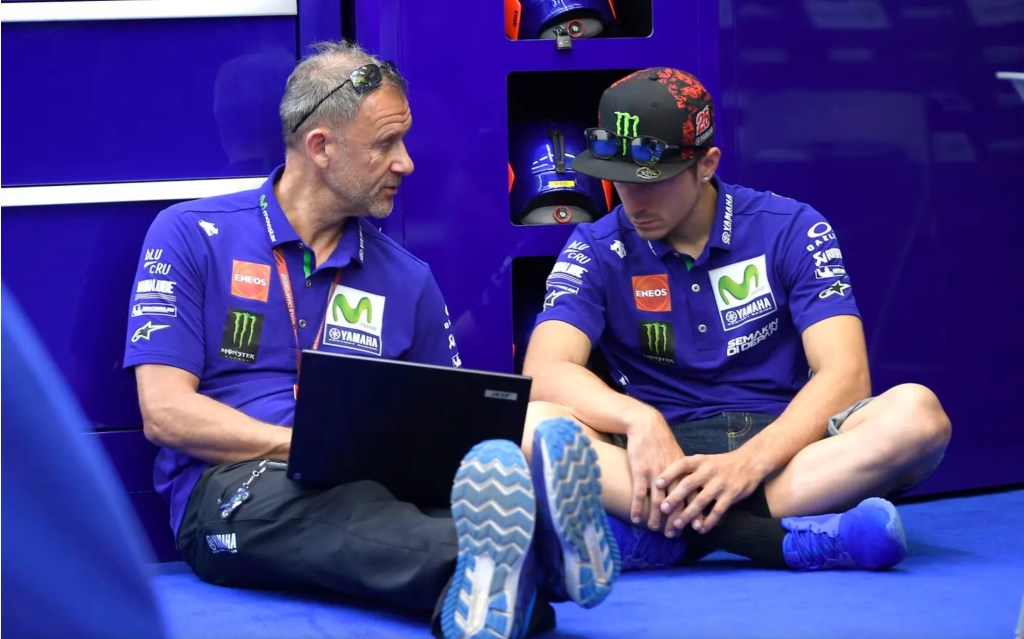
Zeelenberg also highlighted the unique challenge for modern rookies, particularly the adaptation to MotoGP’s advanced electronics. Unlike previous levels, riders must learn to trust and control sophisticated systems like traction control and anti-wheelie, which equip MotoGP bikes. “They have to get used to the electronics,” he said. “They’ve been using their skills and talents without electronics up until now. The talent is there, the speed is there, but learning to trust the bike’s systems is a key part of the transition.”
Looking ahead, Zeelenberg believes that the new crop of rookies, including Ogura, will need time to adjust to the demands of MotoGP, but their potential is undeniable. “It takes half a season to get into real shape and performance,” he said. “But they will learn more as they gain experience with the bike.”
Acosta’s rapid rise has undoubtedly raised the bar for rookie expectations in the premier class, and his continued success will set a benchmark for the next generation of riders.

Leave a Reply