

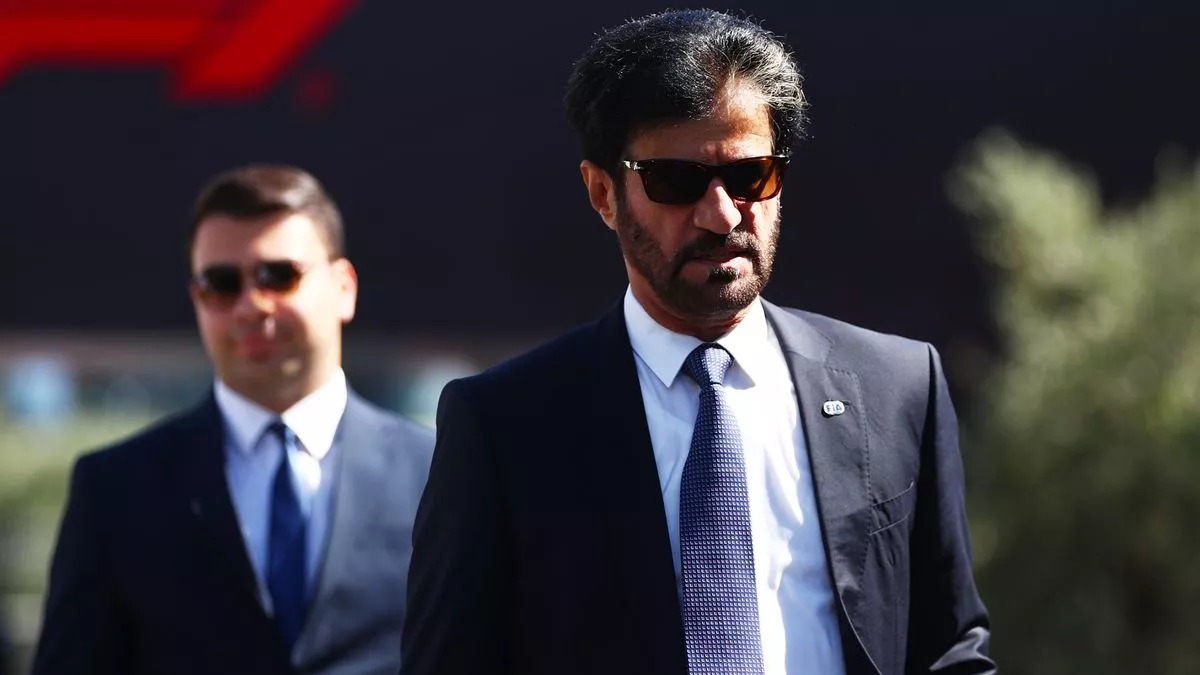
The FIA addressed the growing concerns among Formula 1 drivers regarding the allocation of funds generated from driver fines, emphasizing that the money supports grassroots motorsport initiatives and social projects.
Throughout the 2024 F1 season, officials collected approximately 270,000 euros from over 50 fines, issuing penalties for various infractions, such as speeding in the pitlane, unsafe driving, impeding other cars, crossing a live track, and even swearing. These fines, which have sparked criticism from several drivers, have drawn particular attention from Mercedes GPDA director George Russell, who questioned the transparency of how the FIA spends the funds.
Russell expressed frustration about the lack of clarity, referencing promises made during the FIA’s presidential election to reinvest the money into grassroots racing initiatives. Russell said, “A few years ago, they told us that the money from fines would reinvest in grassroots motorsport.” “We just want transparency and clarity on where the money is actually going.”
In an exclusive interview with Motorsport.com, Nikolas Tombazis, the FIA’s head of single-seater racing, defended the governing body’s use of the funds, clarifying that the FIA directs them towards supporting grassroots projects and social initiatives. Tombazis highlighted that the FIA is a non-profit organization with no shareholders looking for financial returns. “All the money from fines goes into areas that are beneficial, such as safety, grassroots motorsport, and social initiatives related to road safety,” Tombazis explained.
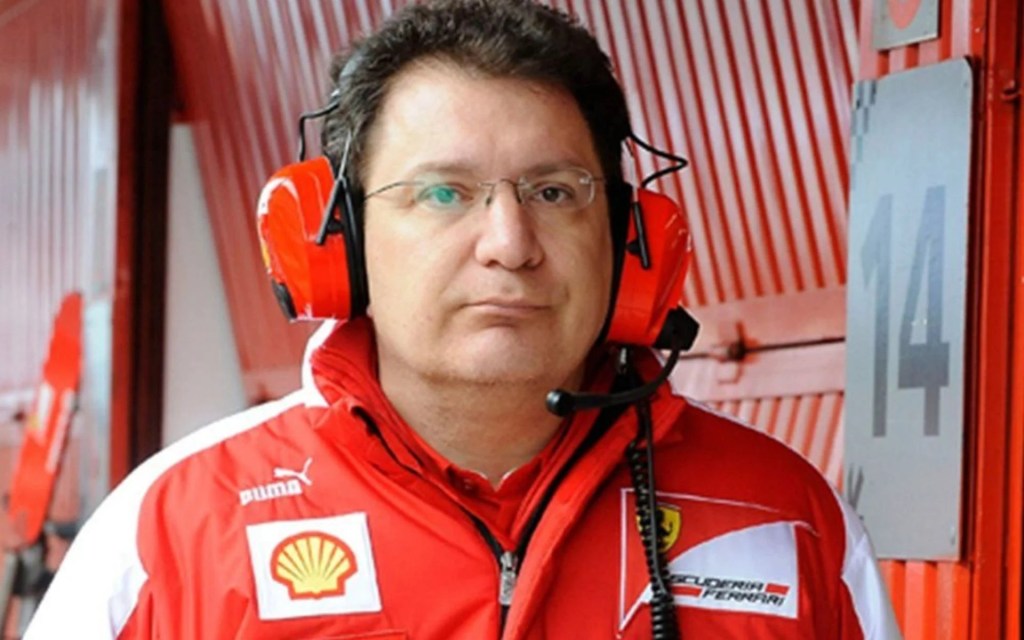
Tombazis acknowledged that the emotions surrounding the payment of fines could sometimes lead to misunderstandings about their use. He reassured that the funds do not go toward frivolous expenses, like “Christmas parties,” but instead support significant projects, including safety campaigns, driver development, and online abuse prevention efforts. “The amount of money spent on grassroots initiatives far exceeds the fines accumulated, indicating a positive impact,” he added.
A significant portion of the money goes toward developing the next generation of motorsport talent, helping to lower entry barriers for young drivers, especially those from less privileged backgrounds. Last year, the FIA invested over 10 million euros in grassroots projects, which included funding for go-karting programs and the creation of opportunities for future motorsport officials and drivers.
Tombazis emphasized that the health of Formula 1 is intrinsically linked to the broader appeal of motorsport at all levels. “Having exciting grand prix is vital, but equally important is fostering grassroots motorsport, which can inspire the next generation of F1 stars,” he said. “By ensuring that motorsport is accessible to people from diverse backgrounds, we help provide opportunities for future talent.”
The FIA sees its efforts to support grassroots racing and social initiatives as key components of its long-term strategy to nurture motorsport talent and ensure the sport’s global sustainability. Tombazis reiterated that the funds from driver fines serve purposes that will ultimately benefit the wider motorsport community and, by extension, Formula 1 itself.
Leave a Reply