


Ferrari team principal Fred Vasseur believes that the new wind tunnel and aerodynamic testing regulations in Formula 1 could prove to be a “game-changer” ahead of the 2026 season, as teams may intentionally sacrifice performance in 2025 to gain a significant advantage for the next generation of cars.
With F1’s major technical overhaul set for 2026—introducing more powerful turbo-hybrid engines and revised aerodynamic regulations—teams are already shifting their focus to the future. Vasseur thinks some teams might be inclined to prioritize development for 2026, even if it means underperforming in 2025, in order to secure more wind tunnel time and computational fluid dynamics (CFD) testing in preparation for the new era.
The aerodynamic testing rules in place for the next two years are based on a sliding scale, with each team’s wind tunnel and CFD capacity determined by their standing in the Constructors’ Championship. The team that finishes first receives the least testing time (70% of the baseline allowance), while the team in 10th place gets the most (115%). This system levels the playing field, allowing lower-ranking teams to catch up with those at the front.
Vasseur explained that the impact of these rules may not be crucial in the immediate term, as progress is slow and incremental with each wind tunnel run. However, he emphasized that the real “game-changer” will come in 2026 when teams with less immediate championship contention could decide to fully focus on their 2026 car, sacrificing results in the 2025 season.
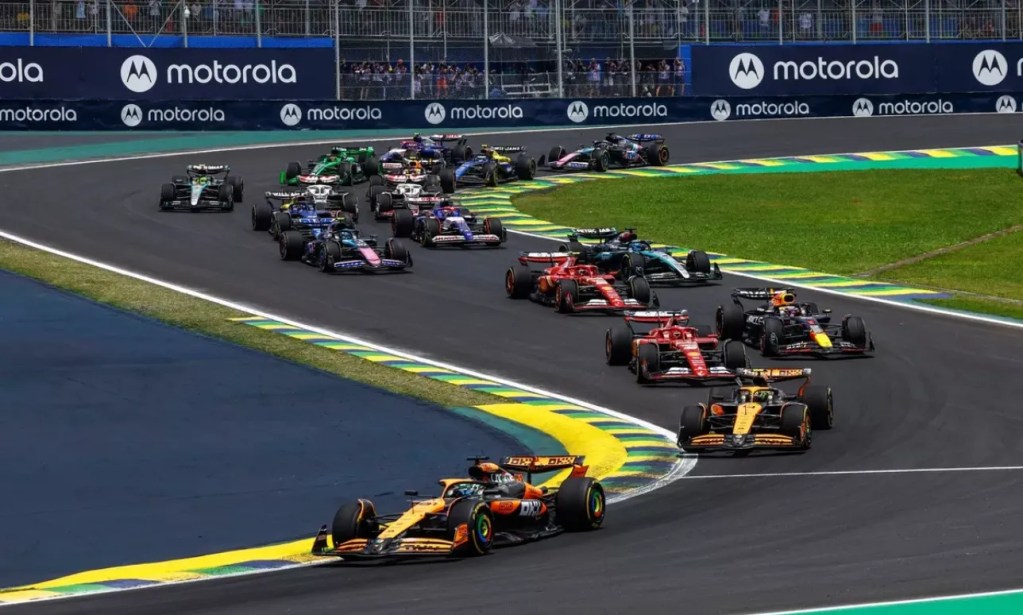
“If you are fighting for something, you will have the temptation to focus on 2025, but teams further down the grid might decide to shift their focus entirely to 2026,” Vasseur said. “This could be a big opportunity for teams in lower positions, as they can use the extra wind tunnel runs and CFD capacity to gain a significant advantage for the future.”
F1 resets its aerodynamic testing restrictions twice a year, in January and July, based on the current Constructors’ Championship standings. The mid-season reset, in particular, could be a key moment, with teams that find themselves lower down the standings at the halfway point of the season potentially gaining more testing time for the second half of the year, allowing them to make significant strides in their 2026 development projects.
As F1 prepares for its most significant technical shift in years, the strategic use of wind tunnel time in 2025 could play a pivotal role in shaping the competitive landscape for 2026 and beyond.


Leave a Reply