

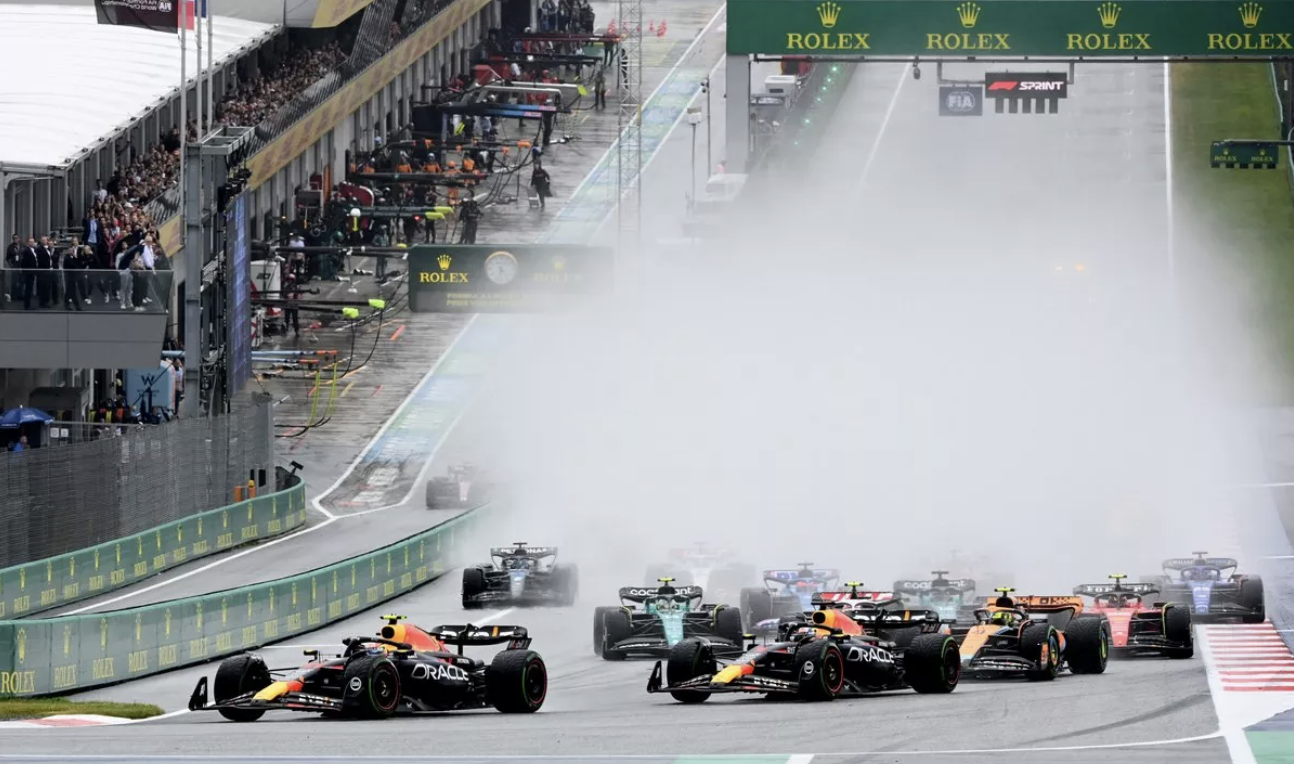
As the countdown begins for the first sprint of the 2024 Formula 1 season in China on April 19-21, anticipation builds alongside concerns regarding the adjustments to the sprint format.
Despite sprints generating heightened excitement on Fridays, ongoing revisions to the format suggest that they have yet to secure unanimous support from fans and drivers.
Discussions within the sporting advisory committee have explored various options for the 2024 season, with the approved version from Monday’s F1 Commission meeting in London indicating a reshuffling of Friday and Saturday activities.
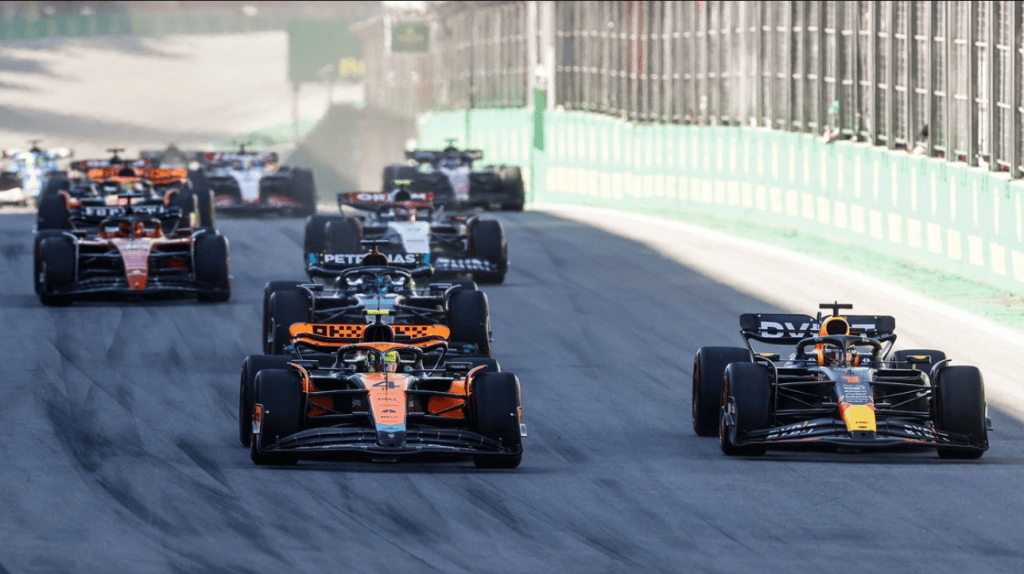
This revised format marks the end of Saturday’s stand alone status from last year, where the shoot out was followed by the sprint, and race qualifying took place on Friday.
Contemplated scenarios included one with FP1 on Friday, directly followed by the sprint, with a reversed top 10 grid order. Additionally, there was deliberation over offering extra points in qualifying to discourage strategic positioning within the top 10.
Another consideration involved a shoot out with the top 10 qualifiers reversed on the sprint grid. However, ultimately dismissing the notion of reversing the entire grid aimed to avoid potential backlash from fans. Formula 1…
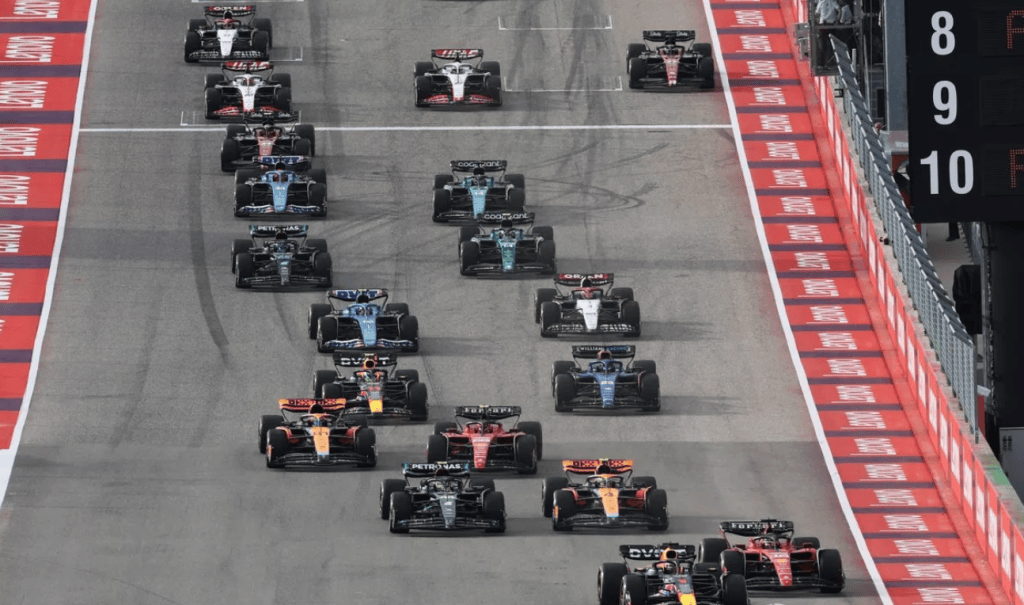
The driving force behind the chosen format adjustment stems from concerns surrounding parc ferme regulations. Last year’s limited opportunity for setup adjustments throughout the weekend led to challenges, including disqualifications for illegal plank wear at the US GP.
The new format aims to address these concerns by introducing two parc ferme periods – one from the shoot out to the sprint and another from qualifying to the race. This change grants teams the option to make setup and component alterations between the sprint race and main qualifying.
However, teams express concerns over the increased work load associated with these changes, both at the track and in simulation departments back at their factories.
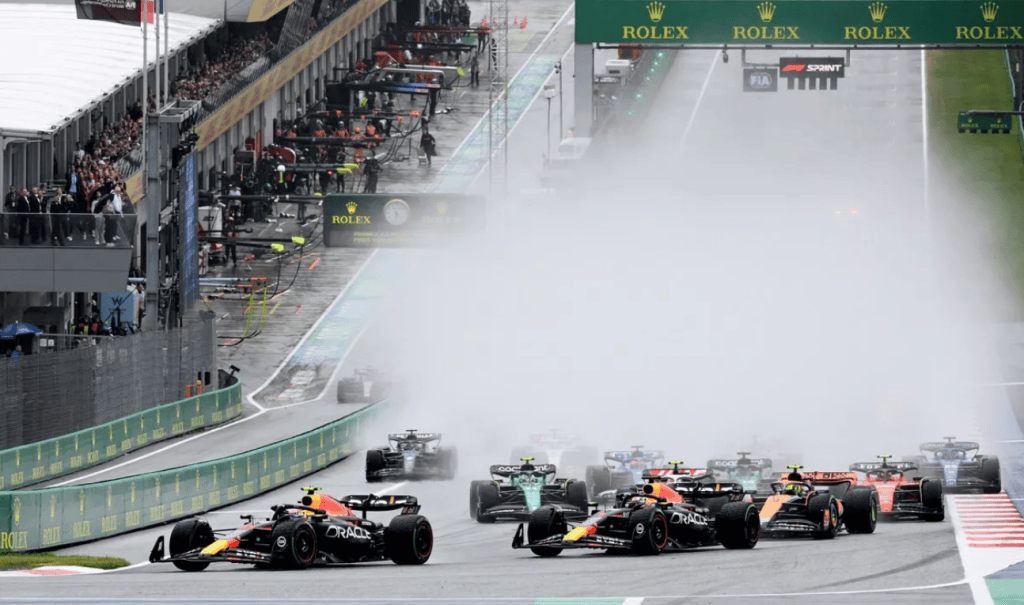
Additionally, discussions are ongoing regarding the potential risks posed by serious crashes in the sprint race, which could impact a driver’s participation in the subsequent qualifying session. Talks are exploring measures to allow teams to have spare chassis ready to a greater extent than previously permitted, facilitating quicker preparations for qualifying.
In a separate development, the Formula 1 Commission has approved an increase in the annual power unit allowance per driver from three to four, alleviating concerns about heightened stress on engines during sprint weekends.
As F1 continues to fine tune its sprint format, the sport navigates through challenges while aiming to enhance the overall race experience for fans and drivers alike.
Leave a Reply